
Our Top Picks
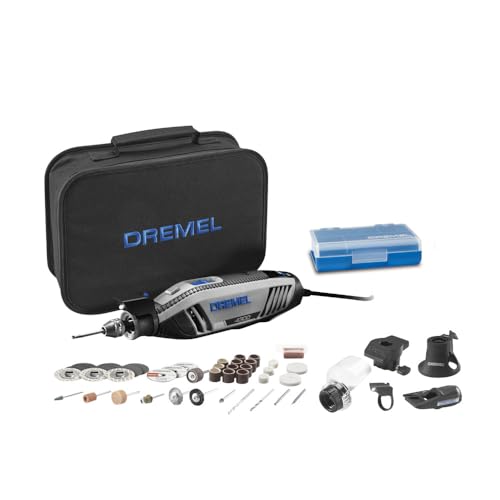 Dremel 4300-5/40 Rotary Tool Kit w/LED Light31875 in15.5 x 10.25 x 2 Inches1.2 poundsCheck on Amazon


What's inside
- Tools That Help
- Signs a Drill Bit Is Dull
- Know the Anatomy Before You Grind
- Method 1: A Sharpening Jig
- Method 2: A Bench Grinder
- Method 3: A Rotary Tool or File for Touch-Ups
- When to Replace Instead
- Step-by-Step Checklist Before You Sharpen
- Keep Bits Sharp Longer
- Matching Bits to Materials
- Common Mistakes
- FAQ
- Conclusion
As an Amazon Associate I earn from qualifying purchases. This post may contain affiliate links at no extra cost to you.
To sharpen a twist drill bit, you regrind the cutting edges to a consistent angle, around 118 degrees for general use, and keep both edges the same length. A sharpening jig such as the Drill Doctor makes it straightforward, and a bench grinder works with practice. Cheap bits are often cheaper to replace than to sharpen, but quality bits are worth restoring.
Tools That Help
| Pick | Best for | Key feature |
|---|---|---|
| Drill Doctor DD500X | Beginners and most common bits | Guided sharpening for several bit sizes |
| Work Sharp Drill Bit Sharpener | Hands-off sharpening on a small footprint | Built-in guide for repeatable angles |
| Irwin Turbomax Drill Bit Set | Replacing beyond-saving bits | Durable coated bits for wood and metal |
| DeWalt Black Oxide Drill Bit Set | General-purpose spares | Affordable, versatile set |
| Dremel 4300 Rotary Tool | Touch-ups and small bits | Fine control with grinding attachments |
Signs a Drill Bit Is Dull
A sharp bit pulls itself into the material and makes curled chips. A dull bit needs extra pressure, squeals, smokes or makes powder instead of chips. The tip may look shiny where the cutting edge has rounded over, or blue from overheating. If the bit wanders, makes ragged holes or takes much longer than usual, it is time to sharpen or replace it. Do not keep forcing a dull bit, because it overheats, loses its temper and damages both the tool and the work.
Know the Anatomy Before You Grind
A twist bit has two cutting lips that meet at a point. Each lip is ground at an angle, with clearance behind the edge so the metal does not rub. The angle at the tip, called the point angle, is about 118 degrees for wood and general metal, and flatter for harder materials. The center chisel edge should be short and centered. The two lips must be the same length and angle, or the bit will cut an oversized, off-center hole and wear quickly. Understanding this makes it easier to see what you are trying to reproduce.
Method 1: A Sharpening Jig
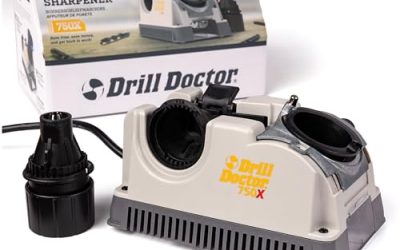
For most people, a jig is the fastest path. The Drill Doctor DD500X drill bit sharpener holds the bit at the right angle and grinds both edges consistently. You choose the size, clamp the bit, and rotate it through a few guided steps. The Work Sharp drill bit sharpener is a similar option that keeps the angle consistent with minimal setup. The limits are cost and the range of sizes. Very small and very large bits may not fit, and the abrasive wheels wear out and need replacing. Read the manual, and take light passes.
Method 2: A Bench Grinder
With a bench grinder, you hold the bit by hand against the wheel. It is faster but needs practice. Set the tool rest and hold the bit at about 59 degrees to the wheel, which creates the 118-degree point. Touch the cutting lip to the wheel, rotating the bit slightly as you move so that the heel drops away behind the edge. Dip the bit in water often, because overheating softens the steel. Check both lips for equal length, and test the bit on scrap. Wear safety glasses, keep your fingers clear and do not use the side of the wheel unless it is designed for it.
Method 3: A Rotary Tool or File for Touch-Ups
For small bits, a rotary tool such as a Dremel 4300 rotary tool with a grinding stone can restore the edge. Secure the bit in a small vise, and lightly grind each lip, keeping the same angle on both sides. It is slow and takes a steady hand, so treat it as a repair method for a few bits. A fine file can also touch up an edge, but it does not suit hardened bits.
When to Replace Instead
Sharpening is worthwhile for large or expensive bits, such as spade bits, masonry bits and high-quality twist bits. For tiny bits, or very cheap sets, it is easier to replace them. If the tip is chipped, cracked or the flutes are bent, throw the bit away. A decent set like the Irwin Turbomax drill bit set or the DeWalt black oxide drill bit set gives you a ready supply of sharp bits for general work. Keep your best bits for your best work and use sharpened ones for rough jobs.
Step-by-Step Checklist Before You Sharpen
Start by cleaning the bit with a rag and a little solvent to remove pitch and oil, which can hide damage. Inspect the flutes for cracks and the shank for bends by rolling the bit on a flat surface. Decide whether the bit is worth saving. Next, set up your sharpening method, with good light and a stable work surface. Wear eye protection, and have a cup of water nearby for cooling if you use a grinder. Grind lightly, check both lips frequently, and compare the bit against a known sharp one if you can. Finally, test it on a piece of scrap that matches your project material. A good bit pulls itself into the material and produces two matching spirals of chips. If only one lip is cutting, or the chips are uneven, repeat the sharpening and make sure the lips are equal. Practice on cheap bits first, so that your best ones are safe while you learn the feel.
Keep a simple routine: sharpen the most-used sizes first, label an old case for sharpened bits, and replace the ones that have been resharpened too many times to stay accurate.
Keep Bits Sharp Longer
- Use the right speed. Slow down for metal and large bits.
- Use cutting oil on steel, to reduce friction and heat.
- Back the workpiece with a scrap board to prevent breakout and chipping the tip.
- Clear chips often when drilling deep holes.
- Store bits in an index case rather than loose in a drawer where they bang together.
Matching Bits to Materials
Sharpening is only half the story, because the right bit for the material matters too. Brad-point bits center neatly in wood and leave clean entry holes. Standard twist bits suit general use and metal. Cobalt or titanium-coated bits handle harder steel and last longer, but they are harder to sharpen at home. Masonry bits use carbide tips and a hammer action, and spade or Forstner bits cut large holes in wood. Using a bit for the wrong material wears it out faster than any amount of regular drilling, so keep a small selection and use each for its intended job.
Common Mistakes
- Overheating the bit. Blue steel is softened. Cool it often.
- Uneven lips. The bit will wander and cut oversized holes.
- Removing too much metal. Take light passes.
- Skipping safety gear. Always wear eye protection and keep hair and sleeves clear.
- Sharpening a bad bit. A bent or cracked bit is not worth saving.
FAQ
How many times can a drill bit be sharpened?
Several times, depending on the amount of material removed. Each sharpening makes the bit slightly shorter.
Can I sharpen masonry bits?
Carbide-tipped masonry bits need diamond or silicon carbide wheels. Standard grinding wheels will not work well.
Are sharpening jigs worth the money?
If you own many quality bits or drill often, yes. For occasional drilling, buy new bits.
What angle should I use for metal?
118 degrees is common for softer metals and wood, while 135 degrees is better for harder metals and reduces walking.
Conclusion
Sharp bits make cleaner holes, last longer and are safer to use. Learn the signs of a dull bit, choose a method that suits your skill and budget, and keep spares on hand. A little maintenance will save money and frustration.
As an Amazon Associate we earn from qualifying purchases.
Related guides
More from Amazon
Programs that pair well with the guide above. Offers and eligibility are set by Amazon and may change.
A free business account with business pricing and bulk-buying tools for work, shop or home office.
Create a business accountFree shipping on eligible items, Prime Video and more. Eligible new members can start with a free trial.
Start a Prime free trialAudiobooks and podcasts to listen to on the go. Eligible new members can start with a free trial.
Try Audible freeAd-free music streaming. Eligible new subscribers can start with a free trial.
Try Music Unlimited freeAs an Amazon Associate we earn from qualifying purchases.



Write Your Review
No reviews yet. Be the first to share your experience!