What's inside
As an Amazon Associate I earn from qualifying purchases. This post may contain affiliate links at no extra cost to you.
The best Lifetime storage sheds for most homeowners are the Lifetime 6405 (8×10) for all-around backyard storage, the Lifetime 60353U (8×7.5) for small yards and tight HOA lots, and the Lifetime 60209 (11×21) for large equipment and workshop use, because all three use Lifetime’s double-wall high-density polyethylene (HDPE) with steel reinforcement for weather resistance without the rot, rust, or repainting of wood and metal sheds.
As an Amazon Associate we earn from qualifying purchases at no extra cost to you.
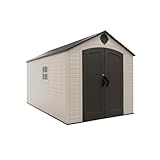
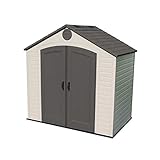


Best Lifetime Storage Sheds Compared
Lifetime sheds all share the same core construction — UV-protected double-wall polyethylene panels, powder-coated steel framing, and a polyethylene floor — but they differ significantly in footprint, height, door configuration, and assembly complexity. This comparison focuses on current, widely available models.
| Model | Footprint (W x D) | Interior Storage | Wall / Roof Material | Door Opening | Weight | Best For |
|---|---|---|---|---|---|---|
| Lifetime 60353U | 8 ft x 7.5 ft (96″ x 90″) | ~56 sq ft, ~553 cu ft | Double-wall HDPE walls, HDPE + steel truss roof | Single 56″ W x 75″ H double door | ~310 lbs | Small yards, trash bin + mower storage |
| Lifetime 6405 Rough Cut | 8 ft x 10 ft (96″ x 120″) | ~75 sq ft, ~750 cu ft | Double-wall HDPE wood-grain walls, steep-pitch HDPE roof | 64″ W x 78″ H double doors, lockable | ~440 lbs | Most suburban backyards, bikes + tools |
| Lifetime 6418 Rough Cut | 8 ft x 12.5 ft (96″ x 150″) | ~96 sq ft, ~975 cu ft | Double-wall HDPE walls, HDPE + steel truss roof | 56″ W x 76″ H double doors + 30″ side entry door | ~540 lbs | Riding mowers, wider access needs |
| Lifetime 60209 | 11 ft x 21 ft (132″ x 252″) | ~213 sq ft, ~2,100 cu ft | Double-wall HDPE walls, heavy-duty steel-reinforced HDPE roof | 90″ W x 78″ H double doors (expandable to 108″) | ~980 lbs | Large lots, workshop + vehicle storage |
General market range in 2026: small Lifetime sheds (7×7 to 8×10) typically fall between $900 and $1,700, mid-size 8×12.5 models between $1,600 and $2,400, and large garage-style 11×21 models between $3,200 and $4,500, before foundation, anchoring kits, and accessories. All models include a 10-year limited warranty on the shed itself.
How to Choose the Right Size for Your Yard
Lifetime measures sheds by exterior footprint, but usable interior space is 4-6 inches smaller per side due to wall thickness. Always measure your intended pad, not just the shed.
1. Do a Fit Calculation Before You Buy
Most municipalities and HOAs require a 24″ to 36″ setback from fences and property lines, plus clearance for door swing and roof overhang. Use this quick formula:
Required Pad Width = Shed Width + 12″ (overhang/eave) + Setback x 2
Required Pad Depth = Shed Depth + 12″ + Setback x 2
Worked example for a Lifetime 6405 (8×10) on a lot requiring 24″ setbacks:
- Required pad width: 96″ + 12″ + 48″ = 156″ (13 ft)
- Required pad depth: 120″ + 12″ + 48″ = 180″ (15 ft)
- That means you need a clear, level area of at least 13 x 15 ft, even though the shed is only 8×10. Without that space, the 60353U (8×7.5) at 11 x 12.5 ft required is a better fit.
Also consider height: Lifetime’s 8-ft-wide models have a peak interior height of about 8 ft (96″) and sidewall height of about 6 ft (72″). The 11×21 peaks at just over 10 ft, which matters if you plan to store tall shelving or stand up lumber.
2. Double-Wall Polyethylene: What Durability Actually Means
Lifetime’s panels are blow-molded HDPE with an air gap between inner and outer walls. The outer wall contains UV inhibitors and color throughout, the inner wall provides rigidity, and powder-coated steel channels reinforce walls and roof trusses.
What this does well:
- Resists rot, termite damage, and rust that shortens the life of wood and untreated metal sheds.
- Will not need staining, painting, or shingle replacement. Stain and fading resistance is far better than single-wall resin sheds.
- Sheds dent rather than crease and flex under snow and wind loads (most models rated for 20-30 psf snow load when properly anchored and assembled).
What it does not do:
- It is not insulated. Interior temperatures will closely track outdoor temperatures. For temperature-sensitive storage, add ventilation and avoid direct chemical or paint storage in summer.
- Dark-colored panels can become hot to the touch in direct sun. Lighter Rough Cut and desert tones stay cooler.
- Panels can oil-can or flex slightly in high heat. This is normal and does not affect weather resistance, but it means shelves should be anchored to steel framing, not just polyethylene.
3. Assembly Requirements by Size
Lifetime sheds are designed for DIY assembly with common household tools, but build time scales sharply with size. This is where most buyers misjudge the project.
- 60353U (8×7.5): 2 people, 4-6 hours. One screwdriver, socket driver, and ladder needed. Wall panels are one-piece and floor panels interlock. Easiest to level.
- 6405 / 6418 (8×10 to 8×12.5): 2-3 people, 7-12 hours over two sessions. Requires careful squaring of the floor — an out-of-square floor is the #1 cause of door misalignment. Roof trusses must be assembled on the ground and lifted.
- 60209 (11×21): 3-4 people, 16-24 hours. Requires a fully level wood platform or concrete pad (gravel alone is not sufficient), anchor kit, and often a drill with nut driver for hundreds of fasteners. Plan for a full weekend.
All Lifetime sheds require a level foundation. Polyethylene floors will conform to an uneven base, which prevents doors from latching and causes water pooling. A treated 2×4 and plywood platform or 3.5″ concrete slab is recommended over bare grass or dirt. Lifetime specifies the floor must be supported continuously, not just at corners.
Decision Matrix: Which Lifetime Shed Fits Your Situation
| Your Situation | Recommended Model | Why |
|---|---|---|
| Small urban yard, HOA limits, need mower + 2 bikes | 60353U 8×7.5 | Smallest footprint, lowest assembly time, fits through 48″ gate clearances when panels are carried flat |
| Typical suburban lot, general storage + lawn equipment | 6405 8×10 | Best square-footage-to-cost ratio, steeper roof sheds snow and leaves better than flat-roof deck boxes |
| Need to drive in a riding mower or snow blower | 6418 8×12.5 with side door | Longer depth for tractor turning radius + dual entry avoids moving everything to reach back items |
| Large rural lot, workshop or ATV/UTV storage | 60209 11×21 | Only double-wall model with garage-style 90″+ opening and 10-ft peak for shelving and workbench |
| High wind or heavy snow region | Any model + Extreme Weather Kit | Add factory anchor kit and steel truss bracing; avoid placing large models in wind funnel corners without anchoring to concrete |
Durability and Ownership Realities
Lifetime sheds are low-maintenance, not no-maintenance. Understanding wear points helps you get a true 15-20 year service life.
What Wears First
- Door hinges and hasps: Powder-coated steel hinges can stiffen if grit builds up. Rinse and spray with dry silicone once a season. Do not use WD-40 that attracts dust.
- Weatherstripping and skylights: The polycarbonate skylights and door seals are the first places to show UV hazing after 7-10 years. They remain functional but may leak slightly in wind-driven rain if seals are not reseated.
- Floor: The polyethylene floor resists oil and fertilizer, but dragging metal mower decks or tillers without a ramp will gouge it. Use the included ramps or add a plywood path for heavy wheeled equipment.
- Roof trusses: Snow should be brushed off with a soft roof rake, not shoveled. A single heavy wet snow can exceed the rated load if allowed to drift and refreeze.
Cleaning and Care
Wash with mild soap, water, and a soft brush. Pressure washers under 1,500 PSI held 3 feet away are safe, but close-range zero-degree nozzles will scar the texture. Do not use solvents, bleach concentrates, or abrasive cleaners — they strip the UV protective layer.
Provide ventilation: Lifetime sheds include screened vents and optional windows. In humid climates, leave vents open year-round and avoid storing firewood directly against walls, which traps moisture and invites mold on stored cardboard.
Common Mistakes to Avoid
- Skipping the level check. Use a 4-ft level diagonally across the platform in both directions. More than 1/2″ out of level across 8 ft will cause assembly problems.
- Overtightening fasteners into polyethylene. Screws should be snug, not sunk. Overtorquing strips the boss and creates a permanent loose point.
- Not anchoring. Even at 300-980 lbs, an empty polyethylene shed is a sail in 50+ mph wind. Anchor to platform or concrete with the manufacturer kit, especially for 8×12.5 and larger.
- Modifying walls with aftermarket vents or air conditioners. Cutting double-wall panels breaks the structural air gap and voids warranty coverage around the cut.
Assembly Tips to Cut Time and Rework
Unbox and inventory all panels and hardware before starting — Lifetime kits have 300-600 fasteners, and missing a truss pin is easier to fix on day one than with the roof half-up. Lay panels in the sun for 30 minutes before assembly; slightly warm polyethylene is more pliable and snaps together with less force in cold weather.
Assemble the floor on your finished platform, not on the lawn, and square it by measuring diagonals (both diagonals must be equal within 1/4″). Install doors last and adjust by loosening hinge screws, lifting the door 1/8″, and retightening — this corrects most sag without disassembling walls.
FAQ
Do Lifetime sheds need a foundation?
Yes. Lifetime requires a flat, level foundation — either a pressure-treated wood platform or concrete slab. The integrated polyethylene floor is not a foundation; it must be fully supported to prevent flexing, door binding, and water intrusion.
Are Lifetime sheds waterproof?
They are highly weather-resistant when assembled correctly and anchored, with interlocking panels and integrated floor that keeps ground moisture out. They are not watertight like a house. In sustained wind-driven rain, minor seepage at door seams can occur. Store boxes off the floor on shelving.
Can you add shelves and hooks to the walls?
Yes, but only into the steel reinforcement channels or with Lifetime’s own accessory brackets that spread load across the double wall. Screwing directly into unsupported polyethylene will pull out under weight. Lifetime’s peg strips and shed shelving kits are designed for this.
How long do Lifetime sheds last compared to wood?
With proper anchoring and foundation, the HDPE shell typically lasts 15-20+ years without rot or repainting, while wood sheds often need restaining every 2-3 years and board replacement within 10-15 years in wet climates. Steel framing inside Lifetime sheds can still corrode if the powder coat is chipped and left exposed, so touch up scratches.