Our Top Picks
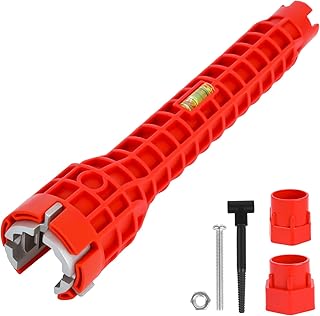
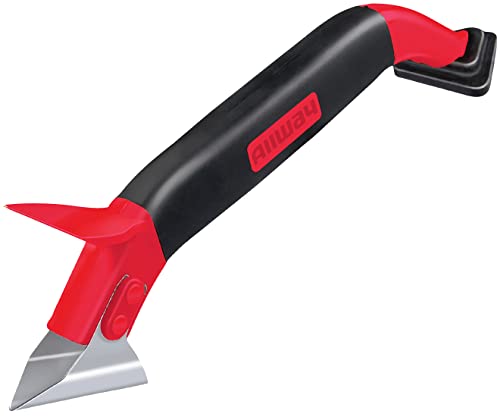 ALLWAY CT31 3-in-1 Caulk Tool for Removal and1 Pack9.5 x 3.88 x 1.62 Inches0.21 PoundsCheck on Amazon

What's inside
- 1. Oscillating multi-tool: the reason demo takes a day instead of a weekend
- 2. Drill and impact driver pair: fastening cement board and hanging everything
- 3. Wet tile saw: the tool that decides how your tile looks
- 4. Angle grinder: everything the tile saw cannot reach
- 5. Layout and demo hand tools: cheap, unglamorous, decisive
- What to skip on your first bathroom renovation
- FAQ
- 1. Oscillating multi-tool: the reason demo takes a day instead of a weekend
- 2. Drill and impact driver pair: fastening cement board and hanging everything
- 3. Wet tile saw: the tool that decides how your tile looks
- 4. Angle grinder: everything the tile saw cannot reach
- 5. Layout and demo hand tools: cheap, unglamorous, decisive
- What to skip on your first bathroom renovation
- FAQ
As an Amazon Associate I earn from qualifying purchases. This post may contain affiliate links at no extra cost to you.
Bathroom renovations punish the underprepared more than any other room in the house. Everything happens in about 40 square feet, half of it is wet, the other half is tile, and you are working around a drain you cannot move and studs you cannot see. Most people buy the wrong tools in the wrong order, which is why the demo takes a weekend and the tile takes a month. This ranking of the best tools for bathroom renovation is ordered by what to buy first, not by price, and each entry states the job it actually unlocks.
The logic is simple. A bathroom reno is really five sequential jobs: demo, rough-in and fastening, cutting tile and cement board, layout and leveling, and finish work. If you buy in that order, every tool earns its keep the week you buy it. If you buy out of order, you end up with a $200 tile saw sitting in the garage while you pry up a subfloor with a screwdriver.
As an Amazon Associate we earn from qualifying purchases at no extra cost to you.





| Priority | Tool | Job It Unlocks | Rent or Buy |
|---|---|---|---|
| 1 | Oscillating multi-tool | Cutting flooring, trim, pipe, nails in place | Buy |
| 2 | Cordless drill and impact driver | Cement board, ledgers, blocking, hardware | Buy |
| 3 | Wet tile saw | Straight and plunge cuts in porcelain | Rent for one bath, buy for two |
| 4 | Angle grinder with diamond blade | Curves, drain holes, cast iron | Buy |
| 5 | Laser level and pry bar set | Layout, niches, clean demo | Buy |
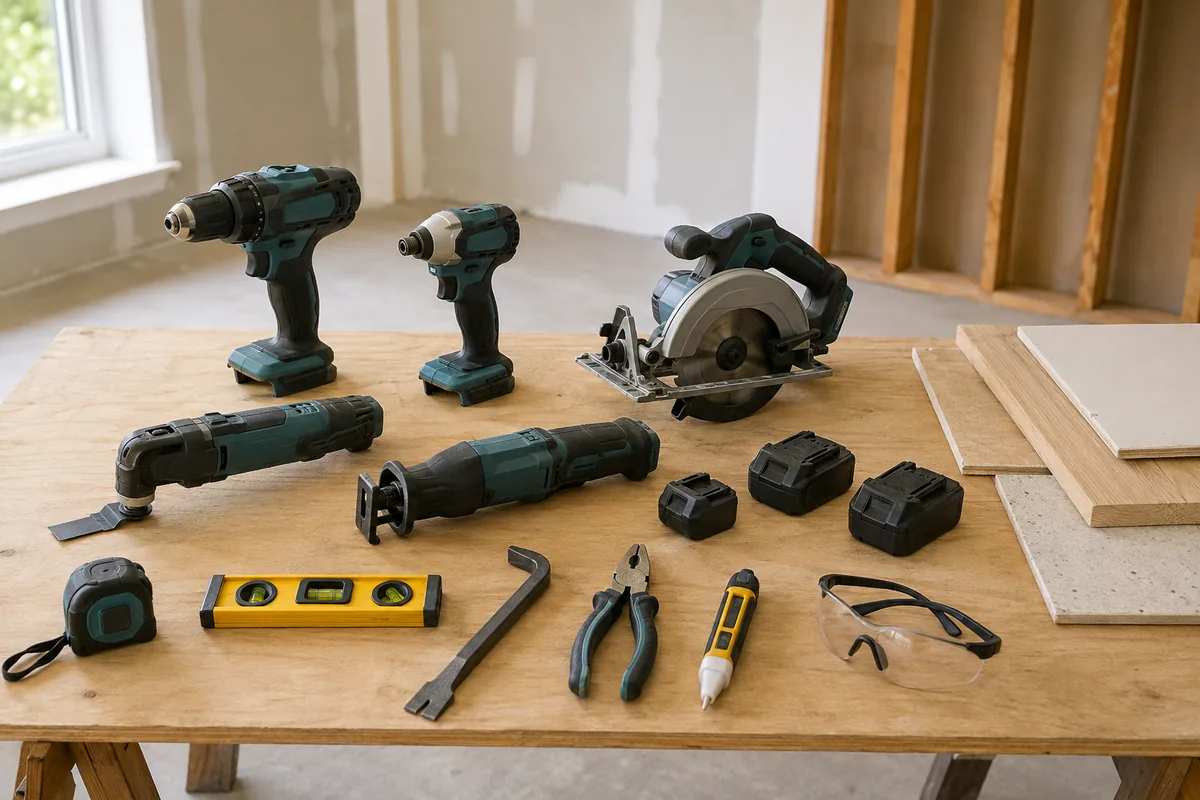
1. Oscillating multi-tool: the reason demo takes a day instead of a weekend
This goes first because it is the only tool that cuts things you cannot pull out and put on a sawhorse. Flush-cutting a nail behind baseboard, notching vinyl flooring around a toilet flange, slicing out a section of drywall without hitting the wire behind it, trimming a door casing for new tile height, cutting through old caulk and grout. A circular saw cannot make any of those cuts. In a bathroom, most cuts are that kind of cut.
Buy a cordless one on whatever battery platform you already own, and make sure it has tool-free blade changes. You will change blades constantly, moving between wood-with-nails, plain wood, and grout. The cheap versions with a hex key are a genuine misery in a cramped space. Spend the money you save on blades instead: a variety pack of bi-metal and carbide segment blades will outlast a single premium tool.
Cordless Oscillating Multi-Tool
Match the battery platform you already own before you compare features. Look for tool-free blade change, variable speed, and a slim head so it fits between a toilet flange and a wall. Brushless matters less here than blade quality, so budget for a multipack of bi-metal and carbide blades.
2. Drill and impact driver pair: fastening cement board and hanging everything
One combo kit, two tools, and they are not interchangeable. The drill handles holes, mixing thinset and self-leveler with a paddle attachment, and driving anchors with finesse. The impact driver drives the several hundred cement board screws a bathroom floor and tub surround will eat, plus ledger boards, blocking between studs for grab bars, and the lag screws for a wall-hung vanity.
Trying to do cement board with a drill alone will cook your wrist and strip screw heads. Trying to drill precise holes with an impact driver will crack tile. Get the pair. Any of the major brushless combo kits will do the job, so pick the platform with the batteries and the store availability you like. If you plan to mix a full bag of self-leveling underlayment, look for a drill with a low-speed gear and real torque, or budget for a separate mixing drill and stop abusing the good one.
Add a hammer drill mode or a small rotary hammer only if you are anchoring to concrete slab or block walls. On a wood-framed second floor bathroom, you will never touch it.
3. Wet tile saw: the tool that decides how your tile looks
Third place, not first, because you only need it during the tile week. But when you need it, nothing substitutes. Modern porcelain and most large-format tile will destroy a manual snap cutter’s patience, and a dry cut in an enclosed bathroom fills the house with silica dust you genuinely do not want to breathe.
What actually matters on a wet saw: a sliding table rather than a fixed one, because it lets you push a 12 x 24 inch tile through cleanly; a plunge capability for cutting out the middle of a tile where the mixing valve sits; a fence that stays square when you tighten it; and a water tray that catches spray instead of decorating your driveway. Blade quality is where budget saws lose. A better continuous-rim diamond blade on a modest saw beats a stock blade on an expensive one.
Rent it if this is your one and only bathroom. A weekend rental costs a fraction of purchase and comes with a saw someone else has to store. Buy it if you have a second bathroom, a kitchen backsplash, or a mudroom floor in the next two years, because rental fees add up fast and tile jobs always take longer than the reservation.
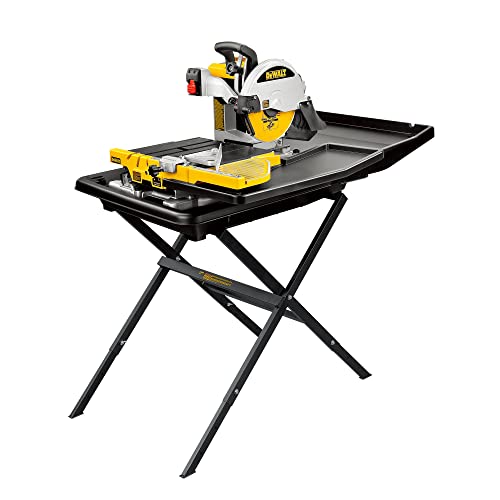
Sliding Table Wet Tile Saw
Prioritize a sliding table and a fence that locks square over raw motor specs. If you are cutting large-format porcelain, confirm the rip capacity handles your tile’s long dimension diagonally, not just straight. Plan on replacing the included blade before your first real cut.
- ✔ Cuts porcelain and stone without chipping the glazed edge
- ✔ Water suppression keeps silica dust down in a closed room
- ✔ Plunge cuts let you place valve and mixer holes exactly
- ✔ Straight, repeatable cuts along the tub and threshold
- ✘ Heavy, messy, and needs a spot outside or in a garage
- ✘ Single-purpose, so it sits idle between projects
- ✘ Cheap models flex under large tile and drift off square
- ✘ Stock blades are usually the weakest part of the package
4. Angle grinder: everything the tile saw cannot reach
A 4.5 inch angle grinder with a dry-cut diamond blade handles the cuts a wet saw physically cannot: the curve around a toilet flange, the L-notch where tile meets a door jamb, opening a hole for a shower drain, and trimming a tile already stuck to the wall. Add a diamond hole saw set for clean valve and shower arm penetrations.
It also earns its rank in demo. With a metal cut-off wheel it will part a stubborn cast iron drain, cut through corroded closet bolts you cannot budge, and free a rusted trap. Corded is fine here and keeps the cost down. Run a shop vacuum near the cut and wear a proper respirator, because dry-cutting tile produces the finest and worst dust in the whole project.
5. Layout and demo hand tools: cheap, unglamorous, decisive
Last on the ranking, first in daily use. A self-leveling laser level makes your niche square, your wall tile courses level, and your vanity plumb, and it does it faster and more honestly than a 4 foot spirit level in a room where no existing surface is trustworthy. A cross-line laser at a moderate price is enough for one room.
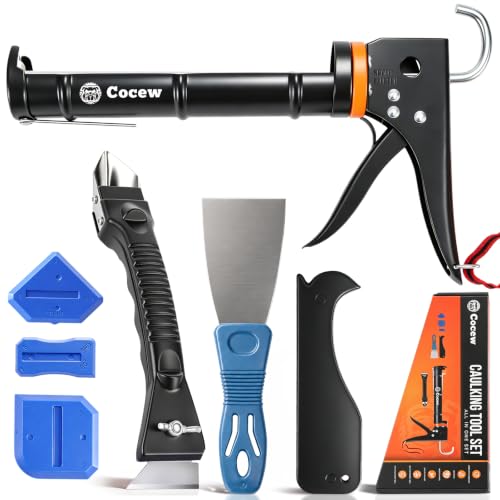
The rest of the kit is short and boring: a flat bar and a longer pry bar, a 3 pound sledge, a utility knife with plenty of blades, a caulk gun with a smooth-rod trigger, a notched trowel matched to your tile size, a grout float, a rubber mallet, tile spacers or a leveling clip system, a good pair of channel-lock pliers and a basin wrench for the faucet, and a shop vacuum rated for wet pickup. Plus a respirator, safety glasses, and knee pads. The knee pads are not optional after hour three on a tile floor.
What to skip on your first bathroom renovation
Skip the manual snap cutter if you are laying porcelain. It is fine for soft ceramic wall tile and useless on hard porcelain, and you will end up renting a wet saw anyway.
Skip the dedicated tile removal chisel attachments for a rotary hammer unless you are taking up a mortar bed. On plywood subfloor, a flat bar and a sledge are faster and do less damage to the framing.
Skip the reciprocating saw as a demo primary. It is great in a wall cavity you are gutting, and it is a hazard near live water lines and wire in a room this tight. The multi-tool does the controlled version of the same job.
Skip the cheap all-in-one tile tool kit that bundles a trowel, float, spacers, and a sponge. The trowel notch size will be wrong for your tile, which is the one item where getting it wrong shows in the finished floor.
Skip pipe soldering gear unless you already solder. Push-to-connect fittings and PEX are legal in most US jurisdictions, faster, and far more forgiving inside a wall you are about to close up. Check local code first, and get a permit and a licensed plumber for anything that moves a drain.
FAQ
Do I need a tile saw if I only have a small floor to do? If it is soft ceramic in a simple grid, a snap cutter plus an angle grinder for notches can get you through. If it is porcelain, large-format, or anything patterned, rent a wet saw. Chipped edges along a tub or threshold are the most visible mistake in a bathroom, and a snap cutter on hard porcelain produces them reliably.
Should all my cordless tools be on one battery platform? Yes, and it is worth some compromise to make that happen. Whether you land on DeWalt XR, Milwaukee FUEL, Makita LXT, or Ryobi ONE+ matters less than owning four batteries that fit everything. Mixed platforms mean four chargers, dead packs at the wrong moment, and a lot of money spent on batteries instead of tools.
What is the one tool most people wish they had bought sooner? A shop vacuum with a fine-dust bag and wet pickup. Bathroom demo generates plaster dust, tile dust, thinset crumbs, and standing water, and every one of those tracks straight into the rest of the house. It also lets you clean the subfloor properly before thinset, which is the difference between tile that bonds and tile that sounds hollow in year two.
Buy in the order above and each tool pays for itself in the phase you bought it for. Start with the multi-tool and the drill pair, decide on rent versus buy for the wet saw once you have picked your tile, and spend whatever is left on blades, a respirator, and knee pads rather than on a tool you will use once.
Check prices on Amazon →