What's inside
As an Amazon Associate I earn from qualifying purchases. This post may contain affiliate links at no extra cost to you.
The best central vacuum systems for most homes are a 700–800 air-watt, cyclonic or hybrid unit with a 6–8 gallon dirt canister, a 30–35 foot hose, and accessible exhaust or filtration; smaller homes can save money with a compact 500–600 air-watt system, while large or multi-level homes benefit more from multiple inlets and a longer service life than from maximum motor size.
As an Amazon Associate we earn from qualifying purchases at no extra cost to you.



Our Top Picks

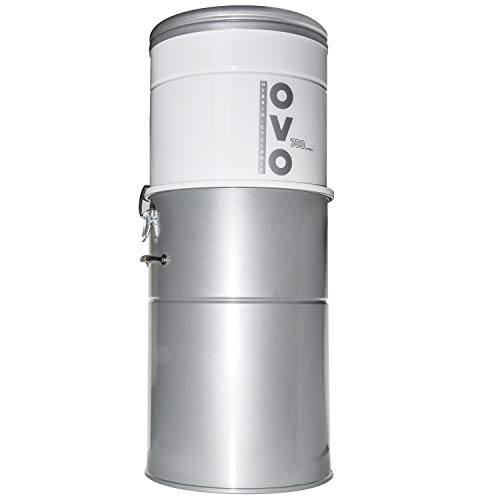


Best central vacuum systems by home and buying situation
| Home situation | Recommended system type | Useful target specification | Why it fits |
|---|---|---|---|
| Apartment, townhouse, or home under 1,500 sq. ft. | Compact single-motor system | 500–600 air watts, 4–6 gallon canister, 2–3 inlets | Lower purchase cost and adequate coverage without an oversized motor |
| Typical 1,500–3,000 sq. ft. house | Mid-range hybrid or cyclonic unit | 650–750 air watts, 6–8 gallon canister, 3–5 inlets | Good balance of suction, capacity, noise, and installation cost |
| Large house or frequent whole-home cleaning | High-output single-motor system | 750–900 air watts, 8–10 gallon canister, 4–8 inlets | Maintains airflow through longer tubing and supports frequent use |
| Home with several floors or multiple users | High-capacity system with optional second inlet circuit | 700–900 air watts, 8–10 gallon canister, 35–40 ft hose | Reduces hose changes and makes simultaneous or sequential cleaning easier |
| Allergy-sensitive household | Sealed hybrid or bagged filtration system | HEPA-rated exhaust filtration where available, sealed inlet connections | Controls exhaust leakage; filtration performance depends on installation and maintenance |
What matters more than the motor number
Suction power and airflow
Manufacturers may advertise air watts, sealed suction, or motor horsepower, and these figures are not interchangeable. Air watts are useful for comparing models from the same manufacturer, but airflow through the complete hose, wand, floor head, and tubing determines how well the system cleans.
A very powerful motor cannot compensate for undersized tubing, excessive bends, a clogged filter, or a poorly sealed inlet. For a normal home, approximately 600–750 air watts is usually enough when the system has correctly installed 2-inch tubing and short, direct runs. Move toward 750–900 air watts when the home is large, the pipe routes are unusually long, or the system will regularly operate with powered carpet tools.
Do not choose solely by horsepower. A motor advertised as “5 HP” may be rated using a peak electrical figure rather than the operating output that matters during cleaning.
Filtration: bagged, cyclonic, or hybrid
- Bagged systems: Dust collects in a replaceable bag. They generally provide predictable filtration and cleaner emptying, but ongoing bag purchases add cost and the bag must be replaced before it becomes overfilled.
- True cyclonic systems: Air separation removes much of the dirt before it reaches the filter. They can preserve airflow as the container fills, but emptying the canister can release dust unless it is done carefully outdoors.
- Hybrid systems: These use a removable bag or filter arrangement that can be configured for different cleaning priorities. They are flexible, but owners need to understand which configuration protects the motor and which parts require washing or replacement.
For fine dust, a sealed system is more important than a marketing label. Check the gasket around the canister, the inlet-valve seals, the exhaust connection, and the condition of the filter. A HEPA filter cannot compensate for air leaking around the motor housing.
Hose reach and inlet placement
A 30-foot hose is the practical default for many homes. A 35-foot hose can reduce the number of wall inlets, but it is heavier, takes more storage space, and can be awkward on stairs. A 40-foot hose is useful for large open areas only when the inlet is mounted where the hose can turn without scraping walls or furniture.
Before buying, draw a simple floor plan. Mark each proposed inlet and draw a circle representing the hose reach, allowing several feet for furniture and corners. One inlet per approximately 600–900 square feet is a rough planning guide, but the layout matters more than the count. A centrally placed inlet often covers more area than two poorly positioned ones.
How the major system types compare
Compact single-motor systems
These are sensible for smaller homes, light weekly cleaning, and owners who want central vacuum convenience without paying for maximum capacity. They usually have a smaller canister and may require more frequent emptying. Their limitation is not necessarily cleaning quality; it is reduced reserve when the pipe run is long or several powered tools are used.
Mid-range hybrid systems
This is the safest choice for the average detached home. A 650–750 air-watt unit with a 6–8 gallon container offers enough capacity for regular cleaning while keeping the motor, noise, and electrical demands manageable. Well-known central-vacuum manufacturers including BEAM, NuTone, and Cyclo Vac offer products in this broad category, although specifications vary by model and market.
High-output cyclonic systems
These suit large homes, workshops connected to the same piping, and households that clean several times per week. Cyclonic separation can reduce filter loading, but it does not eliminate maintenance. Fine dust may still reach the filter, and the collection bin must be emptied before debris blocks the cyclone path.
Bagged systems for simpler maintenance
Bagged central vacuums are often preferable when clean disposal matters more than avoiding consumables. The bag acts as a dust barrier during removal, and owners can monitor capacity without opening a dusty container. Confirm bag availability before installation; a system that is inexpensive initially can become inconvenient if its bags are difficult to source.
Installation requirements that affect the decision
Central vacuum pipe is normally installed before drywall, flooring, or cabinets are completed. Retrofitting is possible through attics, basements, closets, and unfinished walls, but labor can exceed the cost of the power unit.
- Use the manufacturer’s approved low-voltage inlet wire and tubing fittings.
- Keep tubing runs as direct as possible; every sharp bend increases resistance and creates a place for clogs.
- Use long-radius elbows or purpose-made inlet elbows where available.
- Place the power unit in a ventilated garage, utility room, basement, or mechanical area—not a damp location or a cramped unventilated cabinet.
- Provide an electrical circuit that matches the unit’s instructions. High-output models may require a dedicated circuit.
- Plan an exhaust route if the model vents outdoors. Exhausting outside can reduce indoor noise and recirculated fine dust, but the outlet needs weather protection.
A common mistake is positioning the motor in a convenient but acoustically poor location beside a bedroom or living area. Another is installing an inlet behind a door or too close to a corner, making the hose bend sharply every time it is used.
Worked coverage calculation
Suppose a 2,400-square-foot, two-story home has an average 32-foot hose. Rather than assuming four inlets will work, estimate coverage by room access. If each inlet provides a practical cleaning radius of about 25–30 feet after allowing for furniture, three strategically placed inlets may cover the main floor, while two upstairs may be needed for bedrooms and a landing. The result is five inlets, not because of a fixed square-foot rule, but because walls and stair openings interrupt the hose path.
For a retrofit, compare this with a 35-foot hose. The longer hose may eliminate one inlet, but if it costs 6–10 pounds more than a 30-foot hose and is difficult to store, the extra reach may not be worthwhile. In many homes, spending that money on better inlet placement delivers more practical benefit than buying a stronger motor.
Ownership costs and parts that wear first
The power unit is usually not the first component to fail. Floor-head belts, brush strips, hose cuffs, inlet-valve springs, filters, bags, and motor brushes experience more ordinary wear. Powered carpet heads are especially maintenance-intensive because hair and thread wrap around the brush roll and increase load on the belt.
- Empty a dirt canister before it reaches roughly two-thirds full.
- Replace disposable bags before suction falls noticeably.
- Wash reusable filters only as directed and allow them to dry completely.
- Cut wrapped hair from brush rolls instead of pulling it against the end bearings.
- Inspect the hose for cracks and the wall inlets for loose flaps or damaged seals.
- If suction drops everywhere, check the canister, filter, and motor first; if it drops at one inlet, suspect a local blockage or valve leak.
For a system used twice weekly, a mid-range bagged unit might need several bags per year, while a cyclonic unit avoids bags but demands more careful emptying and filter cleaning. Include these recurring tasks in the purchase decision. The cheapest system is not necessarily the least expensive to own if its bags, belts, or proprietary tools are hard to obtain.
Bottom line
Choose a compact 500–600 air-watt unit for a small home, a 650–750 air-watt hybrid system for most houses, and a 750–900 air-watt cyclonic or high-capacity model for large homes and heavy use. Prioritize sealed filtration, correctly sized tubing, sensible inlet placement, and available replacement parts. A well-installed mid-range system with a 30-foot hose will usually outperform a more powerful unit connected to badly routed pipe or an inconveniently placed inlet.