What's inside
As an Amazon Associate I earn from qualifying purchases. This post may contain affiliate links at no extra cost to you.
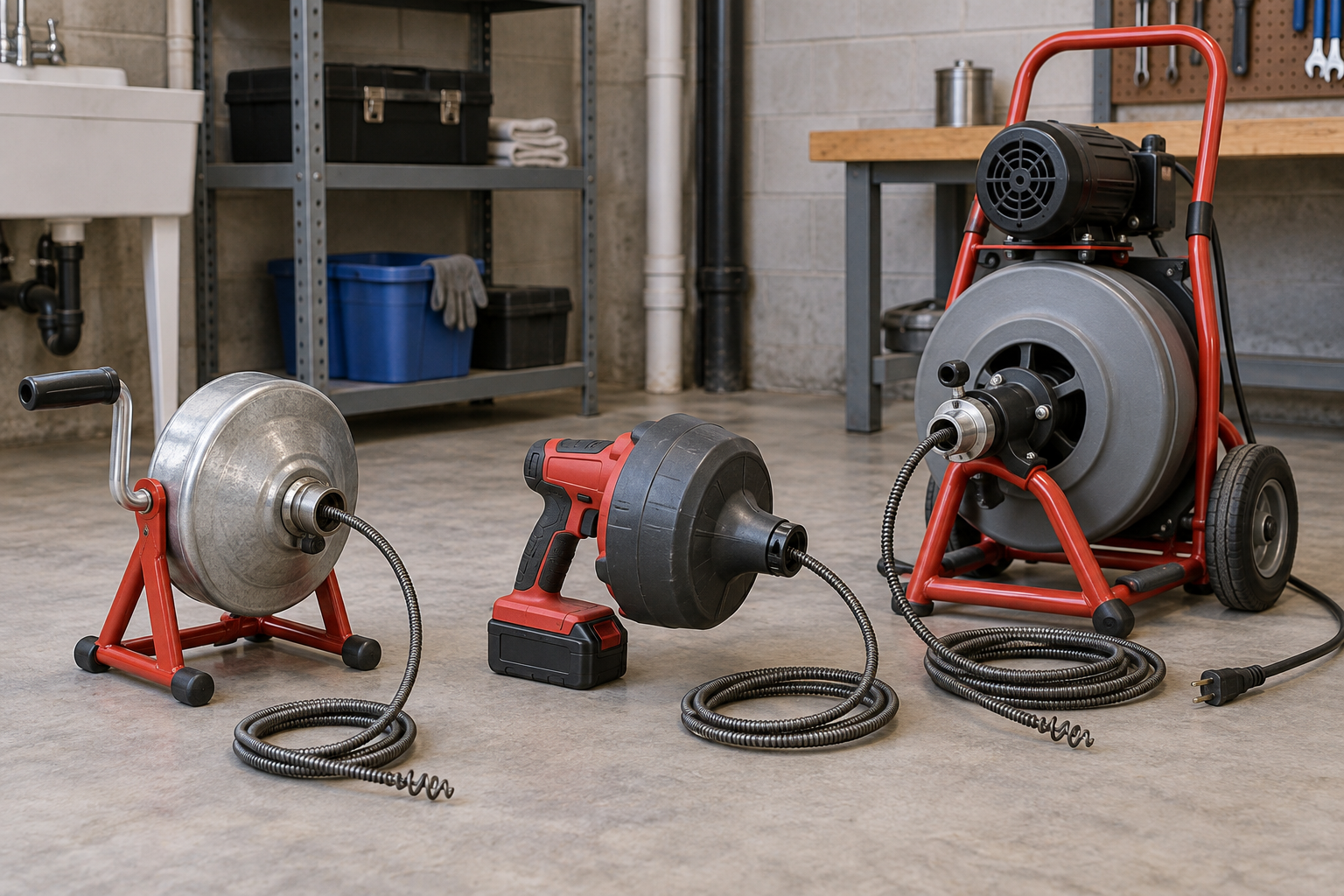
A cordless drain cleaner is useful for a short, clogged fixture line—not a substitute for a full-size sewer machine. The best choice depends on the drain opening, cable diameter and length, and whether you already own batteries in a compatible tool system. For a bathroom sink or tub, a small hand-fed drum can be easier to control than a powered machine. For a kitchen sink with a longer branch line, a powered feed can save effort, but it will not make the wrong cable safe to use.
As an Amazon Associate we earn from qualifying purchases at no extra cost to you.


Match the machine to the line
Start by identifying the fixture and likely blockage. Bathroom sinks often clog close to the stopper or in the trap; hair and soap are common causes. A tub or shower clog is often hair near the drain or farther down the branch. Kitchen sinks collect grease and food debris, but some clogs sit in the trap or a short section of pipe that is better cleared by removing and cleaning the trap.
Small cordless cleaners typically use cables around 1/4 inch in diameter, with lengths commonly in the 15- to 25-foot range. That size suits many small fixture lines, but check the tool’s instructions for approved pipe sizes and cable use. A thicker cable may be too stiff for a small trap or tight bends; a very thin cable may buckle or fail to clear a dense blockage. Do not assume that a tool’s maximum cable length is appropriate for every drain.
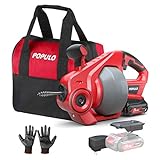
If you are buying for occasional bathroom clogs, a compact cordless drain cleaner with a 1/4-inch cable is usually the sensible category to consider. Compare cable length, compatible pipe size, and how the cable retracts—not just the motor speed.
What to compare before buying
| Type | Best fit | Trade-offs |
|---|---|---|
| Hand-fed cordless drum | Short sink, tub, or shower clogs | Good control and often lower cost; you still feed and retract the cable by hand. |
| Powered-feed cordless cleaner | Repeated use or a longer fixture branch | Less manual feeding, but more to clean and maintain; powered feed can send cable too quickly if you lose control. |
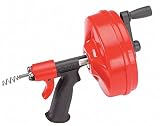
| Manual hand auger | Infrequent, simple clogs | Cheapest and no battery to maintain; slower, but often enough for a trap or nearby hair clog. |
| Professional-size machine | Large drains or recurring deep blockages | Too much tool for many fixtures; requires more training and careful cable handling. |
A hand-fed drum is often the better first purchase for a homeowner. It keeps the operator in charge of cable movement and can be easier to position under a vanity or near a tub. Choose a powered-feed unit when you expect regular use and value faster cable handling enough to accept the added size, cost, and cleanup.
Battery platform matters, but not like it does for a saw
For a drain cleaner, battery compatibility is often more important than buying the tool with the biggest advertised battery. If you already own a suitable battery and charger, staying in that cordless platform can reduce the cost and avoid another charger on the shelf. Check whether the cleaner is sold as a bare tool or in a kit, and confirm that your battery fits the exact tool—not just the brand family.
Clearing a short fixture line usually takes far less sustained power than cutting lumber or drilling masonry. A smaller battery can be adequate for occasional work, but an older or partly charged pack may stop the job at an inconvenient point. Keep a charged spare if you routinely handle multiple fixtures. Avoid choosing a tool solely by voltage or battery capacity: cable control, drum access, and compatibility with the line matter more.
If you are comparing brands, search for the tool by platform and check the manufacturer’s battery compatibility notes before buying. A bare-tool cordless drain cleaner can be good value when you already have the matching batteries. If you do not, price the kit against a manual auger; for one or two simple clogs a year, the manual option may be the better buy.
Safe use and common failures
Read the manual and wear eye protection and gloves. Keep the machine stable, keep hands away from the rotating cable, and use only the cable size and attachments approved for that tool. Do not run a powered cable through a chemical drain opener; splashing caustic liquid can cause serious burns. If chemicals have already been poured into the drain, follow the product label and get advice before opening a trap or putting a cable into the line.
Feed the cable gradually. If it stops advancing, do not force it by leaning on the machine or continuing to drive the cable. The cable may be caught on a bend, tangled, or against the blockage. Forcing it can kink or break the cable, damage a fixture, or push the tool into an unsafe position. Pull back slightly, rotate as directed by the manual, and try again with controlled pressure.
Stop if you meet repeated hard resistance, hear grinding, or cannot retrieve the cable smoothly. A damaged or kinked cable can whip or snag. Likewise, recurring clogs may point to a deeper obstruction, a damaged pipe, or a problem beyond the reach of a short fixture cleaner. A small cordless unit is not designed to clear every main line.
A practical buying choice
For occasional hair clogs in a bathroom sink or shower, a basic manual auger may be enough; remove the stopper and clean the trap area first when that is accessible. Buy a cordless unit when you want faster repeated clearing, need to reach farther than a short hand tool comfortably allows, or already have a compatible battery platform. A compact hand-fed model is the cautious all-round choice for small fixture lines. A powered-feed model is worth the extra cost mainly for frequent use and users who can manage the cable carefully.
Before ordering, verify the cable diameter and length, the drain sizes the manufacturer permits, whether the battery is included, and how the cable is cleaned or replaced. Those details determine whether the cleaner will suit the job—and whether it will still be usable after a messy clog.
Related guides
- Longest Lasting Lawn Mower Battery: AGM vs Lithium vs Flooded Lifespan and Cost per Season
- Duralast Gold Lawn Mower Battery Review: U1 Fit, CCA and When to Pay for AGM
- Greenworks Pro 80V 21-Inch Mower Review: Runtime Math, Push vs Self-Propelled and Yard Fit
- Bosch High Pressure Washer Gun Replacement: Fittings, Adapters and What Fits Your Model