What's inside
- Best Printers Without a Subscription
- Quick picks by situation
- What “without a subscription” actually means
- Compare the real cost, not just the sticker price
- A simple break-even calculation
- Choose by how and where you print
- Features worth paying for—and those you may not need
- Setup and ownership: avoid the common headaches
- Bottom line
- Best Printers Without a Subscription
- Quick picks by situation
- What “without a subscription” actually means
- Compare the real cost, not just the sticker price
- A simple break-even calculation
- Choose by how and where you print
- Features worth paying for—and those you may not need
- Setup and ownership: avoid the common headaches
- Bottom line
As an Amazon Associate I earn from qualifying purchases. This post may contain affiliate links at no extra cost to you.
Best Printers Without a Subscription
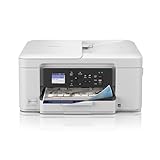
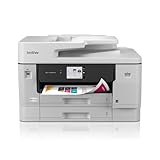
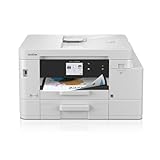
The best printer without a subscription for most homes is a refillable-tank inkjet if you print regularly, while an inexpensive monochrome laser is the better fit for occasional documents. Both can print without a mandatory monthly plan; the key is comparing the printer’s purchase price with the cost and upkeep of its ink or toner.
Quick picks by situation
| Situation | Best fit | Why | Main trade-off |
|---|---|---|---|
| Occasional black-and-white documents | Basic monochrome laser | Toner doesn’t dry out between print jobs | No color printing; check whether a scanner is included |
| Frequent color printing at home | Refillable ink-tank all-in-one | Low-cost bottled ink suits regular printing | Higher purchase price and careful initial setup |
| Low upfront budget and light use | Cartridge inkjet | Usually the cheapest way to get color and scanning | Replacement cartridges can cost more over time |
| Lots of office documents, mostly black | Monochrome laser all-in-one | Fast text output and durable toner supplies | Higher initial cost than a basic printer |
These are printer categories, not guarantees about every model. Exact speeds, dimensions, included supplies, and yields differ by model and region, so check the manufacturer’s specification sheet before buying.
As an Amazon Associate we earn from qualifying purchases at no extra cost to you.

What “without a subscription” actually means
A printer can work without a monthly ink or toner plan even if its maker offers one. Subscription plans are optional services that may automatically send supplies; they are not the same as buying replacement cartridges or bottles when you need them. Before checkout, confirm that the printer supports standard retail supplies and that enrollment in a plan is not required for ordinary printing.
Also distinguish a printer plan from account or app setup. Some models ask you to install an app, create an account, or connect to Wi-Fi. That does not necessarily mean there is a paid subscription, but it can add steps and may affect how you print. Look for USB printing or a supported direct-wireless option if you want to avoid relying on an internet connection.
Compare the real cost, not just the sticker price
Cartridge inkjets tend to have the lowest upfront price, but cartridges can make each page comparatively expensive. Refillable ink-tank printers cost more initially and generally make more sense when you print enough color pages to use the included ink. Laser printers use toner rather than liquid ink; for occasional text printing, their resistance to drying can be worth paying more upfront.
| Type | Typical upfront range | Ongoing supplies | Best use | Setup and upkeep |
|---|---|---|---|---|
| Basic cartridge inkjet | About $50–$150 | Replaceable color and black cartridges | Light color printing; low initial spend | Simple setup; print periodically to reduce the risk of ink drying in the printhead |
| Refillable ink-tank inkjet | About $150–$400 | Bottled ink; replacement printhead or maintenance parts may eventually be needed | Regular color printing and school or home-office use | Fill tanks carefully, run the initial ink-charging process, and keep the printer level |
| Monochrome laser | About $100–$300 | Black toner; some models also have a separate drum unit | Text-heavy printing, including long gaps between jobs | Usually straightforward; check toner and drum replacement requirements |
| Color laser | About $250–$700 | Four toner colors; drum or waste-toner parts may be separate | Frequent color documents and sharp text | More supplies to track; not usually the economical choice for photo printing |
These are broad market ranges, not quotes for a particular model. Sale prices, regional availability, and included starter supplies change the math. A printer advertised with a high initial page yield may include limited-capacity supplies, so compare the replacement yield and price—not just what comes in the box.
A simple break-even calculation
Suppose a tank printer costs $200 more than a cartridge model. If the tank printer saves an estimated 5 cents per page in supplies, it takes about 4,000 pages to recover that extra cost: $200 ÷ $0.05 = 4,000. At 100 pages a month, that is roughly 40 months. At 25 pages a month, it is more than 13 years, making the cheaper printer potentially better value if it suits your needs.
This is an example, not a promise of savings. Use the cost per page for the specific supplies you expect to buy, and remember that color coverage, maintenance pages, printhead cleaning, and occasional wasted sheets can raise actual costs.
Choose by how and where you print
- Fewer than a few dozen pages a month, mostly forms: Consider a monochrome laser if color is unnecessary. It avoids the dried-ink concern that can come with long idle periods.
- Regular color documents for a family or home office: Consider an ink tank when the higher purchase price is manageable and you expect to print often enough to use the ink.
- Rare color prints and a tight budget: A cartridge inkjet keeps the initial expense down. Compare cartridge prices first, especially if you need both black and color replacements.
- Frequent scanning and copying: Choose an all-in-one. For multi-page jobs, look for an automatic document feeder (ADF); a flatbed alone requires placing pages one at a time.
- Very limited desk space: Check the printer’s operating footprint, not only its listed dimensions. Paper trays, a raised scanner lid, and space for the output tray can make the working setup noticeably larger.
Features worth paying for—and those you may not need
For most households, the useful basics are reliable Wi-Fi, a clear setup process, duplex printing, and an all-in-one scanner if you regularly digitize documents. Automatic duplexing can save paper on longer reports, but it is not essential for occasional single-page forms. An ADF is valuable for stacks of paperwork; it adds cost and bulk if you only scan a page now and then.
Check paper handling before buying: supported paper sizes, input-tray capacity, and whether the printer can handle envelopes or thicker stock. If you print photos, look for a model designed for photo output and verify the supported paper types. A general-purpose color laser often excels at text and graphics but may not produce the photo finish you want.
For a workshop or shared room, consider noise, dust, and placement. Inkjet printers need a level surface and room to open their lids. Laser printers should have suitable ventilation and should not be placed where fine dust or debris can enter the paper path. Follow the manufacturer’s placement and cleaning guidance.
Setup and ownership: avoid the common headaches
With a cartridge printer, install the supplied cartridges as directed and print a test page. If you print infrequently, use the printer’s normal power-down process rather than unplugging it immediately after a job; many inkjets perform routine maintenance when shut down properly. Avoid repeated cleaning cycles unless print quality calls for them, since they consume ink.
With an ink-tank printer, confirm the bottles match the model before opening them. Fill each tank in the correct color, keep the printer level, and allow the initial ink-charging routine to finish without interruption. Spills and air entering the ink system can cause avoidable trouble. Store opened ink according to its instructions.
With a laser printer, keep toner sealed until needed and follow the steps for replacing both the cartridge and any separate drum unit. A drum is not the same as a toner cartridge, and its replacement schedule can change the long-term cost. When print quality fades, check the manual before shaking or handling a cartridge; not every model recommends the same procedure.
Bottom line
Choose a monochrome laser for dependable, occasional text printing; a refillable ink tank for sustained color printing; and a cartridge inkjet when the lowest purchase price matters more than long-term supply cost. Before deciding, compare replacement-supply prices and yields, confirm whether scanning or an ADF is needed, and make sure the printer works without enrolling in a paid plan.