What's inside
As an Amazon Associate I earn from qualifying purchases. This post may contain affiliate links at no extra cost to you.
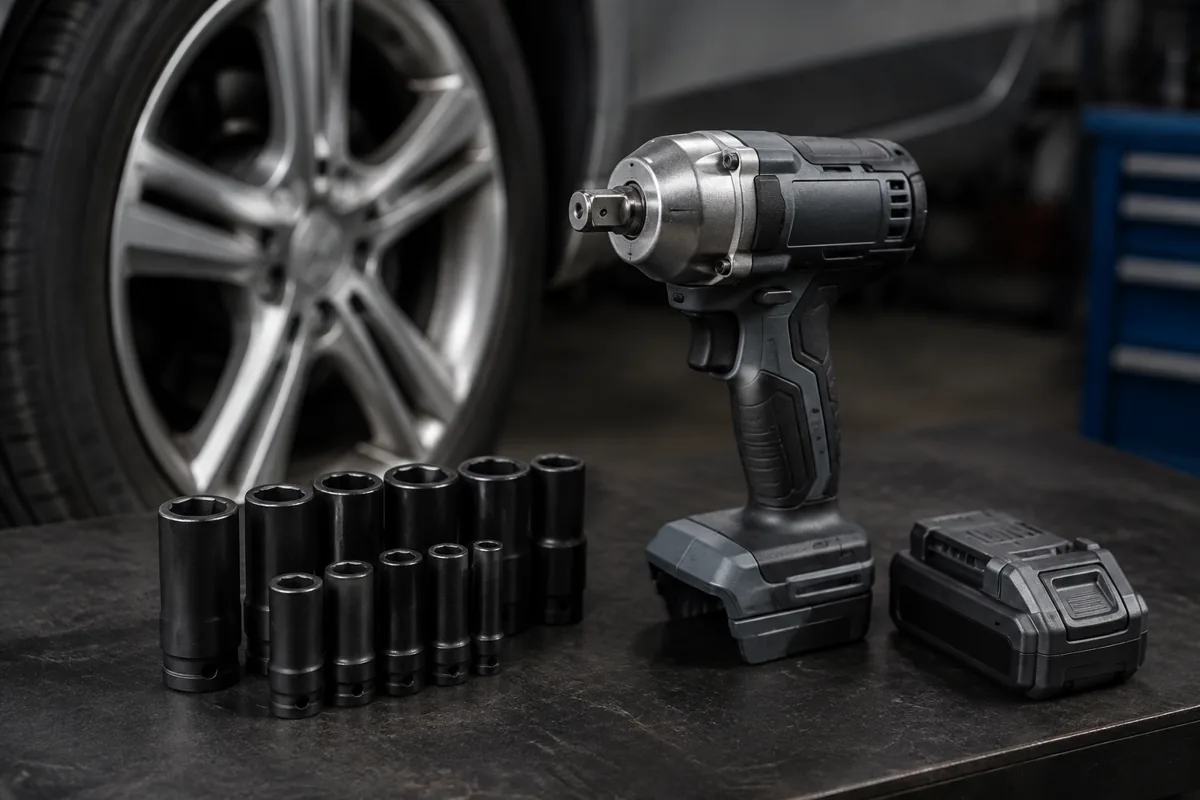
A cordless ratchet and a compact impact wrench can both speed up automotive work, but they solve different problems. A ratchet is for turning fasteners in tight spaces after they have been loosened; an impact wrench is for breaking fasteners free and driving them quickly. Choosing by size or advertised torque alone is a common way to buy the wrong tool.
As an Amazon Associate we earn from qualifying purchases at no extra cost to you.


How the tools differ
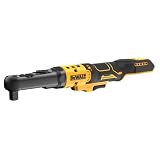
A cordless ratchet turns its square drive with a motor and a familiar ratcheting head. Most automotive versions use a 3/8-inch drive; 1/4-inch models suit smaller fasteners, while 1/2-inch versions are larger and less nimble. The motor is useful for spinning a nut or bolt, but the tool usually has limited breakaway power. You may need to crack the fastener loose with a hand ratchet first.
A compact impact wrench delivers rapid hammering blows to the fastener. That helps with stubborn bolts, lug nuts and suspension hardware, though “compact” does not mean it will fit everywhere. Its head and battery can obstruct access, and the impact mechanism can damage small fasteners or delicate parts if used carelessly.
Quick comparison
| Task or concern | Cordless ratchet | Compact impact wrench |
|---|---|---|
| Best use | Spinning off already-loose fasteners | Breaking free and driving tougher fasteners |
| Access | Usually easier in narrow engine-bay spaces | Needs room for the tool body, battery and socket |
| Control | Good for light, steady fastening; finish by hand | Fast, but easier to overtighten or damage hardware |
| Typical drive | 1/4 or 3/8 inch | 3/8 or 1/2 inch |
| Wheel work | Not a good choice for loosening lug nuts | Useful for removal; use a torque wrench for final tightening |
| Likely first purchase | Frequent trim, interior or engine-bay service | General repair with rusted bolts or wheel work |
When a cordless ratchet makes sense
Choose a ratchet if your work involves many small or medium fasteners in cramped areas: brackets, undertrays, interior components, battery hold-downs and accessible engine-bay hardware. Its narrow head can reach places where an impact wrench and socket cannot sit straight. It also gives you a more controlled way to run fasteners out without hammering the surrounding parts.
The trade-off is that a ratchet is not a substitute for a breaker bar. A bolt with corrosion, threadlocker or high clamping force may stall the motor or load the head. Loosen it manually first, then let the tool spin it out. Do not use the powered motor to tighten a fastener to specification. Run it down gently, then finish with a hand tool or torque wrench as the job requires. Holding the ratchet head while the motor runs can also pinch fingers; keep your hand clear of the head and moving linkages.
For a first cordless ratchet, a 3/8-inch cordless ratchet is the most useful middle ground for routine automotive work. A 1/4-inch version is easier to maneuver around small hardware but has less capacity. Check head thickness and overall length, not just the drive size: those dimensions determine whether it fits between a bracket and a body panel.
When a compact impact wrench is the better buy
Pick an impact wrench if you regularly remove wheel fasteners, work on suspension parts, or face bolts that a hand ratchet struggles to break free. Compact models are easier to carry and fit in more places than full-size wrenches, but their output varies widely. A tool described as compact may still be too bulky for a tight engine bay, and advertised peak torque is not a reliable measure of performance on every fastener.
A 3/8-inch compact impact wrench suits mixed work where access matters and sockets are mostly modest in size. For frequent wheel removal or larger fasteners, a 1/2-inch compact impact wrench offers a more suitable drive and socket selection. Use impact-rated sockets; ordinary chrome sockets can crack under impact loading.
For lug nuts, use the impact to remove them, not to guess at final torque. On installation, run nuts down carefully, then tighten in the correct pattern with a calibrated torque wrench to the vehicle maker’s specification. Impact tools can stretch studs, damage threads or leave some nuts much tighter than others, especially at high power.
Battery, control and platform considerations
Both tools draw from the same battery ecosystem, so an existing platform can make the decision easier. If you already own compatible batteries and chargers, compare bare-tool prices and battery size. A compact battery reduces weight and may improve access; a larger pack can extend runtime but may make a ratchet awkward in a narrow space. For occasional home repairs, one modest battery may be enough. Daily shop use favors a spare pack so work does not stop at a charging break.
Look for a variable-speed trigger, a usable forward/reverse control and a comfortable grip. A ratchet’s low speed helps prevent the socket from jumping off a small nut. An impact wrench with selectable power or an auto-stop mode can reduce accidental overtightening, but those settings are aids, not torque control. Test fit matters: hold the tool with the battery attached and check whether your hand can reach the trigger in the positions you actually work.
A practical buying decision
If you own neither tool and do varied automotive repairs, start with a compact impact wrench when wheel and undercarriage work are routine. Buy a ratchet first if your jobs are mostly repetitive fasteners in confined spaces and you already have a manual breaker bar for stubborn bolts. If money is tight and you work on a car only occasionally, a hand ratchet and breaker bar are perfectly serviceable; the cordless tool saves time, but it does not make a repair possible that basic tools cannot handle.
Before buying, check the drive size of your existing sockets, tool dimensions, battery compatibility and warranty terms. Then match the tool to the fasteners you actually encounter. For most home mechanics, the useful pairing is not two tools with overlapping claims: it is an impact wrench for breakaway force and a ratchet for fast, controlled spinning in tight spaces.
Related guides
- Longest Lasting Lawn Mower Battery: AGM vs Lithium vs Flooded Lifespan and Cost per Season
- Duralast Gold Lawn Mower Battery Review: U1 Fit, CCA and When to Pay for AGM
- Greenworks Pro 80V 21-Inch Mower Review: Runtime Math, Push vs Self-Propelled and Yard Fit
- Bosch High Pressure Washer Gun Replacement: Fittings, Adapters and What Fits Your Model