
Our Top Picks


What's inside
- Top Picks at a Glance
- Small Reciprocating Saws Compared
- 1. Milwaukee M12 Hackzall 2420-20: Best Overall
- 2. Bosch PS60-102: Best Lightweight Pocket Saw
- 3. DEWALT Xtreme 12V MAX DCS312B: Best for DEWALT 12V Owners
- 4. Milwaukee M18 Hackzall 2625-20: Best 18V One-Hand Saw
- 5. RYOBI ONE+ HP 18V Brushless Compact PSBRS01B: Best for RYOBI Owners
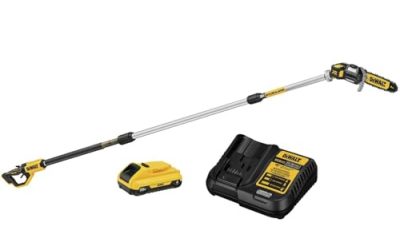
- 6. RYOBI ONE+ 18V Pruning Reciprocating Saw Kit: Best for Pruning
- 7. Greenworks 24V Brushless 1-Inch Compact: Best Value Kit
- Also Consider
- How We Chose
- Buying Guide
- Matching the Saw to the Job
- Common Mistakes to Avoid
- Frequently Asked Questions
- Which One Should You Buy?
- Sources
As an Amazon Associate I earn from qualifying purchases. This post may contain affiliate links at no extra cost to you.
The best small reciprocating saw for most people is the Milwaukee M12 Hackzall 2420-20, a 12-volt one-hand saw with a 1/2-inch stroke, up to 3,000 strokes per minute and a body about 11 inches long. If you want the lightest pocket-size option, the Bosch PS60 12V Max pocket saw is listed at 2.2 pounds without a battery and is the runner-up. Both are made for work a full-size saw cannot reach: inside wall cavities, under sinks, between joists and on short branches.
This guide is for homeowners, remodelers and gardeners who searched for small saws, very small saws, utility saws and compact power saws, and landed on the reciprocating saw category. A compact one-hand recip saw (often called a “Hackzall” style saw after the Milwaukee model that popularised it) is a cordless, short-bodied cutter that handles light demolition, plastic and copper pipe, trim, nails in framing and pruning with the right blade. It is not a replacement for a full-size demolition saw when you need to cut through thick cast iron or large timber, and we say where each pick runs out of steam. This is a research-based article. We did not personally use these tools. We lean on manufacturer spec sheets, retailer listings and reviewers such as Pro Tool Reviews, and we say “not listed” whenever a spec could not be confirmed.
A safety note: reciprocating saws can bind, kick and cut hidden wiring or pipe. Wear eye protection and gloves, turn off power and water before cutting into walls, brace the shoe against the work, and remove the battery for blade changes.
As an Amazon Associate we earn from qualifying purchases at no extra cost to you.


Top Picks at a Glance
- Best Overall: Milwaukee M12 Hackzall 2420-20 (bare tool, 12V)
- Best Lightweight Pocket Saw: Bosch PS60 12V Max pocket saw kit
- Best for DEWALT 12V Owners: DEWALT Xtreme 12V MAX DCS312B
- Best 18V One-Hand Saw: Milwaukee M18 Hackzall 2625-20 (bare tool)
- Best for RYOBI Owners: RYOBI ONE+ HP 18V brushless compact one-handed saw
- Best for Pruning: RYOBI ONE+ 18V pruning reciprocating saw kit
- Best Value Kit: Greenworks 24V brushless 1-inch compact saw with battery and charger
Small Reciprocating Saws Compared
| Product | Best for | Key specs (as listed) | Watch for | Price tier |
|---|---|---|---|---|
| Milwaukee M12 Hackzall 2420-20 | Plumbing, electrical, tight demo | 12V, 1/2 in stroke, 0 to 3,000 SPM, about 11 in long, roughly 2.2 to 2.6 lb bare | Bare tool; battery and charger sold separately | Mid-range |
| Bosch PS60-102 | Lightest pocket carry | 12V, about 0.57 in stroke, 0 to 3,000 SPM, 11 in long, 2.2 lb tool only, kit includes 2.5Ah battery | Trades some performance for size; one listing shows a different SPM figure | Mid-range |
| DEWALT DCS312B | DEWALT 12V platform | Brushless, 5/8 in stroke, 0 to 2,800 SPM, about 12.1 in long, 3.04 lb bare | Bare tool; slightly longer and heavier | Mid-range |
| Milwaukee M18 Hackzall 2625-20 | More power on the M18 platform | 18V one-handed saw, bare tool | Stroke, SPM and weight not confirmed here | Mid-range |
| RYOBI ONE+ HP PSBRS01B | RYOBI 18V owners | 18V brushless, compact, one-handed, tool only | Specs beyond that not listed | Mid-range |
| RYOBI ONE+ pruning saw | Branches and yard work | 18V, kit with 2.0Ah battery and charger | Pruning-focused; not for metal | Budget |
| Greenworks 24V Compact | Buyers who want a complete kit | 24V brushless, 1 in stroke, 3,000 SPM, 2.0Ah battery and charger included | Small battery; platform less common in pro tool lines | Mid-range |
1. Milwaukee M12 Hackzall 2420-20: Best Overall
- Voltage: 12V M12 platform, bare tool
- Stroke length: 1/2 inch
- Speed: 0 to 3,000 strokes per minute
- Length: about 11 inches
- Weight: retailers list roughly 2.2 to 2.6 pounds without a battery
Best for: electricians, plumbers and remodelers cutting pipe, conduit, strut, studs with nails and plastic trim in close quarters. Skip if: you need a longer stroke for fast cuts in thick lumber or heavy demolition.
The 2420-20 is the classic example of the category. A 1/2 inch stroke is shorter than a full-size saw (which typically uses about 1 to 1-1/4 inch), meaning each stroke removes less material, but it makes the saw smoother and easier to control in one hand. That trade-off is exactly what you want when your work is cutting off a pipe in a cabinet or trimming a nail from a stud, because control matters more than raw speed.
Because it is sold as a bare tool, factor in the battery and charger if you do not already own the M12 system. If you do, this saw is hard to beat for versatility, since the M12 platform covers dozens of other compact tools. A related M12 FUEL version exists with a 5/8 inch stroke and a weight of about 3.2 pounds, which is a step up in performance for those who want more cutting speed at the cost of size.
Pros: compact and light, one-hand control, large M12 battery platform, wide range of compatible blades. Cons: short stroke slows cuts in thick material, bare tool needs battery, listing weights vary.
2. Bosch PS60-102: Best Lightweight Pocket Saw
- Voltage: 12V Max
- Stroke length: about 0.57 inch
- Speed: 0 to 3,000 SPM on most listings; one listing shows a higher figure, so check the maker page
- Length: about 11 inches
- Weight: 2.2 pounds tool only
- Features: tool-free blade change, lock-off switch, LED light, battery fuel gauge, electronic saw brake
- Kit: PS60-102 includes a 2.5Ah battery
Best for: people who value light weight and want a ready-to-use kit with a battery. Skip if: you want the largest accessory ecosystem or the most aggressive cutting speed.
The Bosch is the lightest saw on this list, and its angled handle is designed to improve balance and control in one-hand use. The electronic brake stops the blade quickly after you release the trigger, which helps when you work in confined spaces where a coasting blade can nick something. Reviewers have described the PS60 as very compact and light, with some performance trade-offs compared with larger saws. That is a fair summary: it is a tool for convenient, quick cuts rather than all-day demolition.
The kit version means you can start work out of the box, which is attractive if you are not tied to another brand. The battery gauge and LED light are small features that show up often in real use, for example when you cut under a sink or inside a dark ceiling void.
Pros: lightest in the group, includes battery in the kit, electronic brake, LED light. Cons: shorter stroke, performance trade-offs, smaller battery ecosystem for large projects.
3. DEWALT Xtreme 12V MAX DCS312B: Best for DEWALT 12V Owners
- Voltage: 12V MAX, brushless, tool only
- Stroke length: 5/8 inch
- Speed: 0 to 2,800 SPM
- Length: about 12.1 inches
- Weight: about 3.04 pounds bare
Best for: users who already have DEWALT 12V Xtreme batteries and want a one-handed saw that cuts a bit faster than the shortest-stroke models. Skip if: you want the lightest or shortest saw.
The 5/8 inch stroke is the main spec that sets the DCS312B apart from the Milwaukee M12 non-FUEL model. A longer stroke removes more material per pass, so cuts through lumber and pipe are quicker. The cost is a slightly longer body and an extra half pound. For most remodeling tasks, that is a fair deal. It is a brushless tool, which tends to improve efficiency and runtime on a given battery.
Pros: brushless motor, longer stroke, part of the DEWALT 12V line. Cons: heavier than the Bosch and Milwaukee, bare tool only, 12V platform is smaller than 20V.
4. Milwaukee M18 Hackzall 2625-20: Best 18V One-Hand Saw
- Voltage: 18V M18 platform, bare tool
- Format: one-handed Hackzall style saw
- Stroke, SPM and weight: not confirmed for this model in our research
Best for: people who already own M18 batteries and want a single-hand saw with a big battery option. Skip if: you want the smallest possible body, since 18V packs add bulk.
The M18 Hackzall bridges the gap between a pocket-size 12V saw and a full-size recip saw. With an 18V battery it can power through longer cuts and thicker material while still being easier to hold than a two-handed tool. Because we could not confirm the exact stroke length and weight from the store listing, check the maker page before you decide, and compare against the M12 versions if size is your priority. If you do not already own M18 batteries, a bare-tool purchase makes less sense than choosing a complete kit.
Pros: works with the large M18 battery system, one-hand format, strong brand support. Cons: larger batteries add weight, bare tool needs a battery, some specs not confirmed.
5. RYOBI ONE+ HP 18V Brushless Compact PSBRS01B: Best for RYOBI Owners
- Voltage: 18V ONE+ HP, brushless
- Format: compact one-handed reciprocating saw, tool only
- Stroke, SPM and weight: not listed
Best for: homeowners invested in the RYOBI ONE+ system. Skip if: you need a verified stroke length and speed to match a specific task.
RYOBI’s ONE+ line is built around a large selection of tools sharing one battery, which is why it is popular with DIYers. A compact brushless one-hand saw adds a useful tool to the system for pruning, plumbing cuts and small demolition. The listing does not give detailed motion specs, so treat this as a good platform choice rather than a performance pick.
Pros: fits the ONE+ system, brushless, compact form. Cons: limited confirmed specs, bare tool.
6. RYOBI ONE+ 18V Pruning Reciprocating Saw Kit: Best for Pruning
- Voltage: 18V ONE+
- Included: 2.0Ah battery and charger
- Purpose: pruning and yard work
Best for: gardeners cutting branches and shrubs who want a complete kit. Skip if: you also need to cut metal or nails, in which case a general-purpose saw is the better choice.
A pruning reciprocating saw is built for green wood and branches. It pairs with long, coarse-toothed pruning blades with a curved profile, and is typically lighter and quicker to handle than a chain saw for small limbs. When using it outdoors, secure the branch where you can, keep both feet planted, and avoid overhead cuts. The kit format with battery and charger makes it a convenient purchase for someone who just wants to start trimming.
Pros: complete kit, yard-focused design, ONE+ compatibility. Cons: specialised, small battery, not for metal or demolition.
7. Greenworks 24V Brushless 1-Inch Compact: Best Value Kit
- Voltage: 24V brushless
- Stroke length: 1 inch
- Speed: 3,000 SPM
- Included: 2.0Ah battery and compact charger
Best for: homeowners who want a ready-to-use kit with a longer stroke than the 12V pocket saws. Skip if: you already own another tool brand’s batteries and want to share them.
A 1-inch stroke is close to the stroke length of a full-size saw, so cuts through wood and pipe are faster than with the 1/2 inch models. In exchange, the saw is larger than a pocket model, and a 2.0Ah battery will run out sooner than a larger pack during heavy use. For occasional home projects such as removing a fence post or trimming a branch, the kit format is practical. If you are buying into the Greenworks line, it makes sense to keep the platform consistent.
Pros: long stroke, brushless, kit includes battery and charger. Cons: smaller battery, less common in trade tool lines, bigger than 12V saws.
Also Consider
- Fanttik R11 Pro Cordless Mini: a brushless mini saw listed at 0 to 2,200 SPM for wood and PVC. It is the smallest style on this list and suited to light tasks.
- BLACK+DECKER 20V MAX Cordless Reciprocating Saw Kit: an inexpensive 20V kit for occasional use.
- CRAFTSMAN V20 Reciprocating Saw: listed at 3,000 RPM with a variable speed trigger and quick blade change, sold as a bare tool.
- Milwaukee M12 FUEL Hackzall 2520-20: a step up from the 2420 with a 5/8 inch stroke and about 3.2 pounds without a battery, for those who want more cutting speed in a compact body.
- Pruning blades from EZARC and others: long arc-edge blades convert any recip saw into a tree branch tool. Match blade length to your saw’s stroke and use blades rated for your tool.
How We Chose
We started from the search terms behind this topic: small reciprocating saws, small saws, very small saws, utility saws and small power saws. We narrowed that to cordless, one-hand reciprocating saws, because they are the most common compact power saw that fits the “utility” idea. We then looked at the current product store and kept only models that are actually sold and clearly described, comparing the stated specs with manufacturer pages, retailer spec tables and independent reviews such as Pro Tool Reviews.
We did not personally use these tools, and we have not quoted prices. Instead we use tiers (Budget, Mid-range, Premium). We limited picks to two per brand and reported “not listed” where we could not confirm a number. Where listings disagreed on weight or speed, we showed a range.
Buying Guide
Stroke length and why it matters
Stroke length is how far the blade travels in each forward-and-back cycle. Compact saws range from about 1/2 inch to 5/8 inch, while full-size saws usually have 1 to 1-1/4 inch strokes. A longer stroke clears material faster in thick wood, while a shorter stroke gives smoother control and less vibration. If you mostly cut pipe, plastic and nails in tight spaces, 1/2 inch is fine. If you do light demolition or prune branches, look at 5/8 inch or 1 inch.
Voltage and battery platform
12V platforms give the smallest and lightest tools, while 18V and 20V platforms offer more power and larger battery options. The best choice is usually the platform you already own, because a bare tool is far cheaper than buying a new battery and charger. If you do not own any system, buy a kit with a battery and think about which brand offers the other tools you might want later.
Weight, balance and one-hand control
One-hand saws vary between roughly 2 and 4 pounds without a battery. Remember to add the battery weight, which can be another half pound or more. A compact saw with a battery in the handle tends to feel better balanced than one with a heavy battery hanging off the back. Handle shape matters too, and the Bosch’s angled grip is an example of design aimed at control.
Blades make the saw
The right blade makes the biggest difference in performance. Use bi-metal blades with 14 to 18 teeth per inch for metal pipe and conduit, 6 to 10 tpi for wood and demolition, and coarse pruning blades for branches. Pick blade length based on the job; a short blade of 4 to 6 inches is easier to control in tight spots, while a 9-inch blade gives more reach. Keep spare blades on hand, because a dull blade slows cuts and increases vibration.
Demolition versus pruning
A compact saw with a standard demolition blade can cut through nails, short studs, drywall and PVC pipe. For pruning, switch to a pruning blade with wide teeth and a curved profile. Do not expect a pocket saw to cut through large logs. When a job needs repeated heavy cuts, step up to a full-size saw or a chain saw.
Matching the Saw to the Job
| Job | Suggested saw type | Blade idea | Why |
|---|---|---|---|
| Cutting copper or PVC pipe under a sink | 12V pocket saw (Milwaukee M12, Bosch PS60) | Fine-tooth bi-metal, 4 to 6 in | Short body fits in the cabinet and one hand holds the pipe |
| Trimming nails flush in framing | 12V or 18V one-hand saw | Metal-cutting or nail-embedded wood blade | Control matters more than stroke length |
| Removing a short section of 2×4 or trim | DEWALT DCS312B or Greenworks 1 in stroke | 6 to 10 tpi wood blade | Longer stroke clears chips faster |
| Pruning shrubs and thin branches | RYOBI pruning kit or any 18V one-hand saw | Coarse pruning blade, 9 in or longer | Wide teeth clear green wood without clogging |
| Light demolition of drywall or paneling | 18V Hackzall or RYOBI HP | Demolition blade with coarse teeth | More battery power for longer sessions |
Think of the table as a starting point rather than a rule. The same saw often does several of these jobs well if you change the blade. The cost of a handful of blades is small compared with the cost of the tool, and the right blade usually fixes the complaint that a small saw is “too slow”. Store blades in a labelled case so you can pick the right one quickly, and discard any that are bent or missing teeth. Finally, let the saw reach full speed before it touches the work and keep the shoe pressed firmly against the material, because that is what controls vibration and extends blade life on every tool in this guide.
Common Mistakes to Avoid
- Cutting into walls without checking for wiring and pipe, or without shutting off power and water.
- Using a dull or wrong-type blade, which makes the saw jump and wear down the battery.
- Skipping the shoe: pressing the shoe against the workpiece reduces vibration and blade breakage.
- Buying a bare tool without a battery and charger.
- Using a small recip saw for heavy demolition it was not designed for.
Frequently Asked Questions
What is the best small reciprocating saw?
For most people, the Milwaukee M12 Hackzall 2420-20 is the best small reciprocating saw because it combines a compact body, a 1/2 inch stroke and a large battery platform. The Bosch PS60 is a strong alternative if you want the lightest kit.
What is a utility saw?
A utility saw is a general term for a compact saw used for varied cutting tasks. In power tools, a one-hand reciprocating saw is among the most versatile utility saws, since it can cut wood, plastic, nails and metal with the right blade.
Can a small reciprocating saw prune trees?
Yes, with a pruning blade. Small saws work well for branches that fit in the blade’s reach, but they are not designed for large limbs. Wear eye protection and avoid overhead cuts.
Is a Hackzall the same as a reciprocating saw?
Hackzall is Milwaukee’s name for its compact one-hand reciprocating saws. Other brands make similar tools, such as the Bosch pocket saw and the DEWALT 12V one-handed saw.
Do I need a 12V or 18V small recip saw?
Choose 12V if you want the smallest and lightest saw and mainly cut pipe, plastic and nails. Choose 18V or 20V if you want more power and have, or plan to buy, other tools on that platform.
How long do the batteries last?
Runtime depends on the battery size, the blade, the material and how hard you push. The listings we reviewed do not provide runtime figures, so we cannot give a number. Larger amp-hour batteries generally run longer.
Can I use a small recip saw for demolition?
For light demolition such as cutting nails, trim and thin framing, yes. For heavy demolition, a full-size saw with a longer stroke is faster and more suited to the job.
Which One Should You Buy?
Choose the Milwaukee M12 Hackzall 2420-20 if you want the best all-round small saw and can use the M12 battery system. Pick the Bosch PS60 kit if weight and a ready-to-use battery matter more. Go for the DEWALT DCS312B if you already use DEWALT 12V tools, the Milwaukee M18 Hackzall or RYOBI HP if you want 18V power, the RYOBI pruning saw for yard work, and the Greenworks kit if you want a longer stroke and a complete package.
If you are unsure, start with the platform you already own. The best compact recip saw is usually the one that shares batteries with your other tools, because that saves cost and keeps your toolbox simple.
Sources
- Milwaukee Tool M12 Hackzall product specifications
- Bosch PS60 pocket reciprocating saw product page
- DEWALT DCS312B product specifications
- Greenworks and RYOBI product listings
- Pro Tool Reviews
Last updated: October 2026
Related guides
More from Amazon
Programs that pair well with the guide above. Offers and eligibility are set by Amazon and may change.
A free business account with business pricing and bulk-buying tools for work, shop or home office.
Create a business accountFree shipping on eligible items, Prime Video and more. Eligible new members can start with a free trial.
Start a Prime free trialAudiobooks and podcasts to listen to on the go. Eligible new members can start with a free trial.
Try Audible freeAd-free music streaming. Eligible new subscribers can start with a free trial.
Try Music Unlimited freeAs an Amazon Associate we earn from qualifying purchases.
Write Your Review
No reviews yet. Be the first to share your experience!