What's inside
As an Amazon Associate I earn from qualifying purchases. This post may contain affiliate links at no extra cost to you.
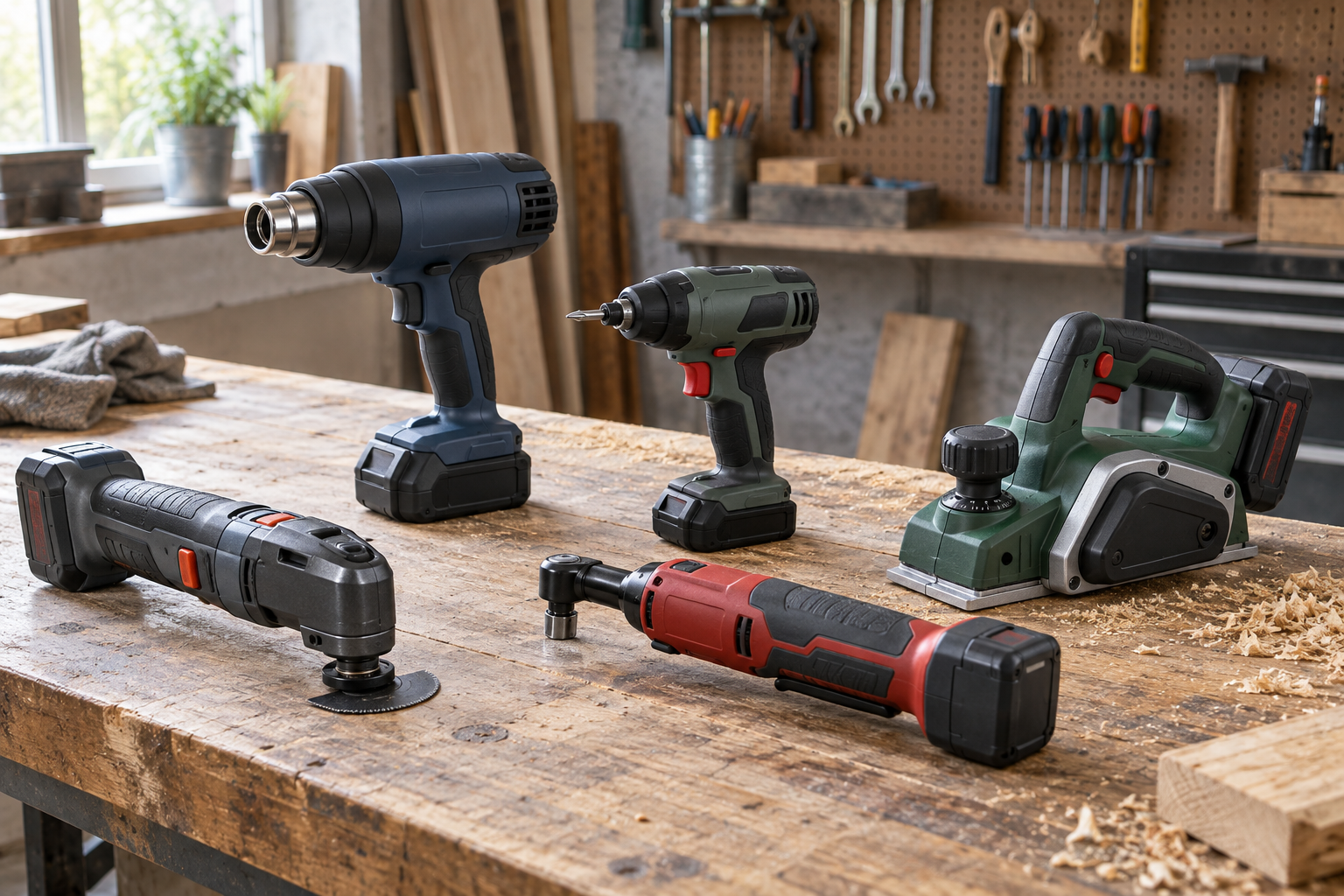
Engine-bay fasteners are where cordless ratchets earn their keep. They reach around radiators, intake manifolds, brackets, and accessory drives where a drill or impact wrench is too bulky. The right ratchet removes already-loosened bolts quickly without forcing you to swing a hand ratchet through a cramped space.
It is important to set expectations: a cordless ratchet is not a substitute for a breaker bar. Most are designed for roughly 30 to 75 ft-lb of fastening torque, depending on size and voltage. Use a hand tool to break stubborn fasteners loose, then use the powered ratchet to spin them out. Trying to crack loose a rusted exhaust bolt with the motor can strip the gear mechanism, round the bolt, or stall the battery.
As an Amazon Associate we earn from qualifying purchases at no extra cost to you.


What to look for in an engine-bay ratchet
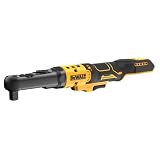
For general automotive work, a 3/8-inch drive is the most useful size. It accepts common socket sizes from about 8mm through 19mm and handles brackets, hose clamps, shields, and many suspension or accessory fasteners. A 1/4-inch model is smaller and easier to place around sensors and trim hardware, but it has less torque and is easier to overload. A 1/2-inch cordless ratchet is unusual for tight engine-bay work; it is larger and usually better replaced by a compact impact wrench.
Head size matters more than headline torque. Measure the tool head and compare it with the gaps around the fasteners you actually service. A ratchet with a long, narrow head can fit between a valve cover and a strut tower where a higher-powered model cannot. A compact 3/8-inch head around 2.5 to 3 inches long is a practical target, while extended-reach models can reach recessed bolts but are more awkward in open spaces.
Look for a variable-speed trigger rather than a simple on/off switch. Low-speed control helps you start threads without cross-threading them. A forward/reverse switch that can be operated with one hand is also valuable when your other hand is holding a socket extension or guiding a bolt.
Voltage and battery platforms
Most cordless ratchets fall into two groups. Compact 12-volt platforms make the lightest tools and are generally the best fit for engine bays. Their small batteries are less tiring during a long job and fit underneath a hood without getting in the way. High-output 18- or 20-volt platforms produce more torque, but the battery often makes the tool taller and heavier.
Battery capacity affects size more than useful runtime. A 2.0Ah pack is usually enough for several engine-bay jobs and keeps the ratchet balanced. A 4.0Ah or larger pack can run longer, but it may prevent access in tight areas. Runtime is rarely the limiting factor: a ratchet only runs for a few seconds per fastener. Comfort, head clearance, and having a charged battery are more important.
| Ratchet type | Best use | Main advantage | Main compromise |
|---|---|---|---|
| 12V 1/4-inch | Small brackets, sensors, interior and trim hardware | Smallest and easiest to control | Limited torque and socket range |
| 12V 3/8-inch | General engine-bay maintenance | Best balance of access, weight, and capability | Not intended for seized fasteners |
| 18V/20V 3/8-inch | Frequent automotive work and larger fasteners | More power and shared battery options | Heavier head and battery; less clearance |
| 3/8-inch extended reach | Deeply recessed bolts and awkward brackets | Reaches without a long extension | Less nimble and easier to flex under load |
Choose the battery system before the ratchet
If you already own cordless tools, staying within that battery system is usually the sensible choice. The bare ratchet may cost less than a kit, and your existing charger and batteries keep the total cost down. A ratchet bought as the first tool in a platform costs more because the battery and charger can add $50 to $150.
For a first cordless automotive tool, compare the platform’s charger speed, battery prices, and availability of compact packs. A cheap ratchet is less appealing if replacement batteries are expensive or the manufacturer offers few other useful tools. On the other hand, if this is an occasional oil-leak or alternator job, a lower-cost platform can be perfectly adequate.
Shop 12V cordless ratchet tool kits if you need the battery and charger included. If you already own a compatible system, compare bare-tool 3/8-inch cordless ratchets instead.
Torque, durability, and failure points
Manufacturer torque numbers are useful for comparison but not a promise that the ratchet will remove every bolt. A tool rated around 35 ft-lb is suitable for light and medium fasteners after they are broken loose. Models rated around 50 to 75 ft-lb give more margin for larger brackets, but they still should not replace a breaker bar.
The common failure modes are stripped gears, a slipping direction mechanism, and a burned motor caused by prolonged stalling. Keep the tool square to the fastener, avoid side-loading the head, and stop when the motor audibly bogs down. If a bolt will not move after a few seconds, switch to a hand ratchet or breaker bar. A socket extension can improve access, but it also reduces feel and can let the tool twist against nearby wiring.
A metal gear case is preferable for repeated professional use, though it adds weight. For occasional driveway repairs, a composite housing with a metal head can last for years if it is not used as a breaker. LED lights, a battery gauge, and a rubberized grip are useful features; a built-in torque setting is less common and should not be confused with a calibrated torque wrench.
How to use a cordless ratchet safely
Disconnect the negative battery cable before working near the starter, alternator, or exposed electrical terminals. Remove loose clothing and keep fingers clear of the rotating socket. Confirm the socket is fully seated, especially when using shallow sockets on corroded hardware.
Thread bolts by hand for at least several turns before applying power. Run the ratchet at low speed until the fastener is clearly engaged, then increase speed only for removal. For installation, stop before final tightening and use a torque wrench where the service manual specifies a value. A cordless ratchet can easily over-tighten small aluminum-threaded fasteners if you hold the trigger too long.
If you want one tool for most engine-bay jobs, choose a compact 12V 3/8-inch cordless ratchet with a small battery. Choose a 1/4-inch model only when access is the priority, and step up to an 18V or 20V tool when you regularly service larger vehicles or already own that battery platform. For seized fasteners, buy a good breaker bar first; the cordless ratchet is the speed tool that follows it.
Related guides
- Longest Lasting Lawn Mower Battery: AGM vs Lithium vs Flooded Lifespan and Cost per Season
- Duralast Gold Lawn Mower Battery Review: U1 Fit, CCA and When to Pay for AGM
- Greenworks Pro 80V 21-Inch Mower Review: Runtime Math, Push vs Self-Propelled and Yard Fit
- Bosch High Pressure Washer Gun Replacement: Fittings, Adapters and What Fits Your Model