
Our Top Picks
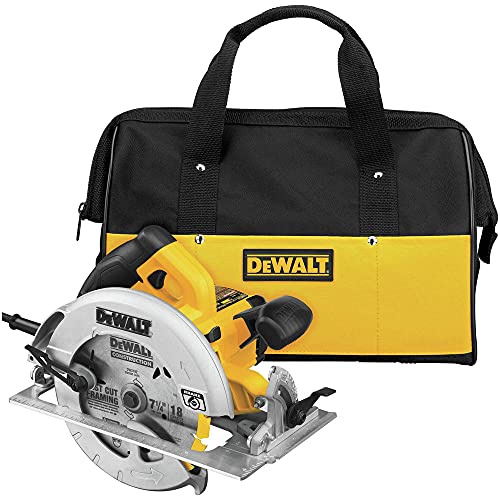
 DEWALT 20V MAX XR Brushless Cordless 7-1/4 in.STANDARD15.35 x 9.4 x 9.6 inches9.88 PoundsCheck on Amazon
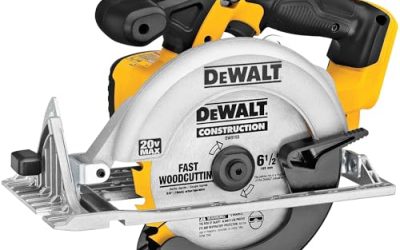
 DEWALT FLEXVOLT 60V MAX* Circular Saw with BrakeOne Size15.35 x 8.23 x 9.65 inches8.2 poundsCheck on Amazon

What's inside
- Top Picks at a Glance
- Comparison Table
- 1. SKIL 5080-01: Best Overall First Saw
- 2. DEWALT DCS391B: Best Cordless Starter
- 3. SKIL JS314901: Best Value Jig Saw
- 4. BLACK+DECKER BDEJS300C: Best Budget Jig Saw
- 5. DEWALT DCS334B: Best Premium Cordless Jig Saw
- 6. Metabo HPT C10FCG2: Best for Trim and Frames
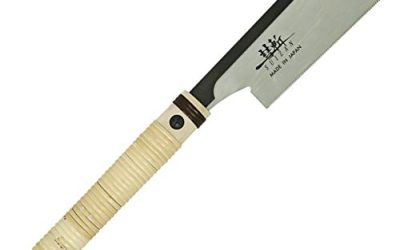
- 7. JORGENSEN 15 in. Hand Saw: Best Hand Saw
- Which Saw Type Should You Buy First?
- Also Consider
- How We Chose
- Buying Guide: How to Choose Your First Saw
- Common Beginner Mistakes
- Frequently Asked Questions
- Worked Example: Building a Simple Bookshelf
- Blade Upgrades Worth Making Early
- Which One Should You Buy?
- Sources
As an Amazon Associate I earn from qualifying purchases. This post may contain affiliate links at no extra cost to you.
The best first saw for most beginners is a corded 7-1/4 in. circular saw like the SKIL 5080-01, followed by a jig saw for curves, then a miter saw once you start building frames and trim. If you want to cut wood without a cord, the DEWALT DCS391B 20V MAX circular saw is the runner-up, though it is sold as a bare tool and needs a battery and charger. This guide to the best saws for beginners and DIY projects explains which saw type to buy first, which jobs each one does well, and seven real models to start with, so you can match a saw to home projects, wood cutting and your first woodworking builds.
Saws are not interchangeable. A circular saw makes long straight cuts in sheet goods and lumber. A jig saw follows curves and cut-outs. A miter saw makes repeatable angled cross-cuts. A hand saw needs no power at all and is perfect for a quick trim. Buying the wrong type first is the most common beginner mistake, so the order matters more than the brand. After the picks you will find a decision table, a buying guide with concrete thresholds and safety basics.
As an Amazon Associate we earn from qualifying purchases at no extra cost to you.


Top Picks at a Glance
- Best Overall First Saw: SKIL 5080-01 13-amp 7-1/4 in. circular saw
- Best Cordless Starter: DEWALT DCS391B 20V MAX 6-1/2 in. circular saw (bare tool)
- Best Value Jig Saw: SKIL JS314901 6-amp corded jig saw
- Best Budget Jig Saw: BLACK+DECKER BDEJS300C 4.5-amp jig saw
- Best Premium Cordless Jig Saw: DEWALT DCS334B 20V MAX XR brushless jig saw
- Best for Trim and Frames: Metabo HPT C10FCG2 10 in. compound miter saw
- Best Hand Saw: JORGENSEN 15 in. 8 TPI hand saw
Comparison Table
| Product | Best for | Key specs | Watch for | Price tier |
|---|---|---|---|---|
| SKIL 5080-01 | Straight cuts in lumber and plywood | 13 A, 7-1/4 in., up to 5,300 RPM, 2-7/16 in. depth at 90 degrees | Corded, basic blade included | Budget |
| DEWALT DCS391B | Cordless wood cutting | 20V MAX, 6-1/2 in., brushed motor, 0 to 50 degree bevel | Battery and charger sold separately | Mid-range |
| SKIL JS314901 | Curves and cut-outs on a budget | 6 A corded, tool-free blade change | Other specs not listed | Budget |
| BLACK+DECKER BDEJS300C | Occasional light jig saw work | 4.5 A corded | Lower power for thick hardwood | Budget |
| DEWALT DCS334B | Cordless curves, longer sessions | 20V MAX XR brushless, up to 3,200 SPM, 1 in. stroke, 4-position orbital, bevel to 45 degrees | Bare tool; battery sold separately | Premium |
| Metabo HPT C10FCG2 | Trim, frames, shelves | 10 in., 15 A, single bevel, 24T blade included | Needs bench space; blade is a basic grade | Mid-range |
| JORGENSEN 15 in. | Quick trims, no power needed | 15 in. blade, 8 TPI coarse | Slower and more tiring | Budget |
1. SKIL 5080-01: Best Overall First Saw
- Motor: 13 amp, corded
- Blade: 7-1/4 in., with an 18-tooth carbide blade supplied per retailer spec listings
- Depth of cut: about 2-7/16 in. at 90 degrees and about 1-15/16 in. at 45 degrees
- Bevel: up to 51 degrees with a stop at 45
- Weight: about 6.95 lb per most retailers
Best for: cutting lumber, plywood sheets, fence boards, shelves and simple decks. Skip if: you have no outlet access at the job site or want furniture-grade edges without a guide.
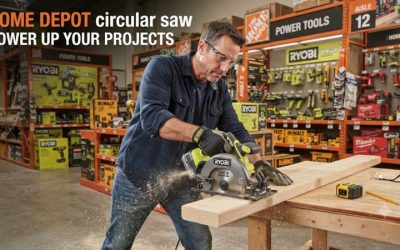
A circular saw is the most productive first buy because it replaces a lot of hand-sawing. The SKIL 5080-01 is a straightforward sidewinder: a 13-amp motor, a standard blade size, a bevel foot and a depth adjustment. Its weight is on the lighter side for a corded saw, which helps beginners hold the line over a long cut. Because the blade size is standard, replacement blades are common and cheap.
The factory blade is a rough framing style. For clean plywood cuts, swap in a blade with 40 to 60 teeth. Clamp a straight board as a fence, set the blade depth about a quarter inch deeper than the material, and let the saw reach full speed before it touches the wood. These habits matter more than motor power.
Pros: low cost; standard blade; light; enough power for DIY lumber. Cons: corded; basic blade; no brake features listed.
2. DEWALT DCS391B: Best Cordless Starter
- Platform: 20V MAX, sold as tool only
- Blade: 6-1/2 in., 5/8 in. arbor
- Bevel: 0 to 50 degrees
- Depth of cut: about 2-1/8 in. at 90 degrees per most sources; other retailers list slightly higher
- Motor: brushed; RPM and weight figures vary between sources
Best for: people who already own, or plan to buy, DEWALT 20V MAX batteries and want freedom from cords on fences, sheds and yard projects. Skip if: you need to buy a battery and charger only for this saw; the bare tool price can then end up above a corded saw.
The advantage of a cordless saw is convenience. You can cut a post on the other side of the yard without an extension cord. The 6-1/2 in. blade gives slightly less depth than a 7-1/4 in. saw, but it covers 2×4 and most 2×6 work. The brushed motor is simpler than brushless models and lower in cost, though it is less efficient and less durable over very heavy use. Spec sources disagree on RPM and weight, so check the label if either figure matters to you.
A key beginner tip: a 20V battery that you already own for a drill can be shared across tools in the same platform. That is how a cordless saw becomes good value. If you are starting from zero, price the battery and charger first.
Pros: no cord; compact blade; platform battery sharing; good bevel range. Cons: battery not included; brushed motor; less depth than a 7-1/4 in. saw.
3. SKIL JS314901: Best Value Jig Saw
- Motor: 6 amp, corded
- Blade change: tool-free
- Other specs, such as stroke length and speed range, are not listed in the title
Best for: cutting curves, circles and sink or outlet cut-outs in plywood, MDF and softwood. Skip if: you need to cut thick hardwood or metal regularly.
A jig saw has a thin blade that moves up and down, which lets it cut curves a circular saw never could. The 6-amp motor is a good middle ground for hobby work, and the tool-free blade change means you can swap in a finer blade for plywood or a coarser blade for lumber in seconds. The common beginner error is pushing too hard. Let the blade cut at its own pace and use a blade with the right tooth count for the material: fewer, larger teeth for wood, finer teeth for sheet goods.
Jig saws also wander. The blade can flex in thicker material and end up out of square, so expect to clean up edges with sandpaper or a plane. For straight cuts in thick stock, use a circular saw instead.
Pros: tool-free blade changes; good power for the class; low cost. Cons: blade deflection in thick stock; corded; features not fully listed.
4. BLACK+DECKER BDEJS300C: Best Budget Jig Saw
- Motor: 4.5 amp, corded
- Other specs are not listed in the title
Best for: occasional craft, shelf and cut-out jobs where you only need a saw a few times a year. Skip if: you plan to cut dense hardwood or do long jig saw sessions.
The 4.5 amp rating is lower than the SKIL, which means less margin when a blade starts to drag. That is fine for thin plywood, pine boards and foam board. If a project is a one-time job such as cutting a hole in a cabinet back panel, this kind of saw is enough. If you expect to keep building, stepping up in power makes more sense.
Pros: inexpensive; light; familiar brand. Cons: lower power; features not fully listed; may bog down in thick wood.
5. DEWALT DCS334B: Best Premium Cordless Jig Saw
- Platform: 20V MAX XR, brushless, bare tool
- Speed: up to 3,200 strokes per minute
- Stroke length: 1 in.
- Action: 4-position orbital
- Shoe: keyless bevel with stops at 0, 15, 30 and 45 degrees per retailer specs
- Blade clamp: lever-action keyless for T-shank blades; LED light and dust blower
- Weight: about 5.2 lb per most listings (one retailer lists less)
Best for: DIYers who already use DEWALT 20V batteries and want a smooth, cordless jig saw. Skip if: you only cut now and then; a corded SKIL costs much less.
This is the most refined saw here. A brushless motor wastes less energy as heat, so the battery lasts longer, and a four-position orbital action lets you choose between slow, clean cuts and fast, aggressive cuts. The D-handle design (as opposed to a top handle) is a matter of preference. Top-handle saws give more control for steering around curves, while D-handle designs feel more natural to people used to a circular saw.
The LED light and the dust blower help you see a pencil line, which matters for beginners who cut off the line often. Remember that the tool is sold without a battery or charger.
Pros: smooth operation; orbital action; keyless blade change; bevel stops. Cons: bare tool; premium cost; overkill for occasional use.
6. Metabo HPT C10FCG2: Best for Trim and Frames
- Type: 10 in. compound miter saw, single bevel
- Motor: 15 amp
- Blade: 24-tooth tungsten carbide tipped blade included
- Other specs, including weight and capacity, are not listed here
Best for: cutting baseboard, crown molding, picture frames, deck boards to length and shelf parts. Skip if: you only build rough projects, a circular saw handles those; or if you have no bench space.
A miter saw does one thing well: repeatable angled cross-cuts. You set the angle, pull the saw through the board and every cut is identical. It makes square ends, 45 degree frame corners and compound cuts for crown. The included 24-tooth blade is a general-purpose grade, so swap in a 60-tooth or higher blade for trim work. Support long boards on both sides at the same height, keep hands well clear of the blade and never cut freehand.
A single-bevel saw tilts the blade in one direction, so for some compound cuts you flip the workpiece. That is fine for most DIY use and costs less than a dual-bevel saw.
Pros: accurate repeat cuts; 15 amp motor; blade included. Cons: stationary; needs a stand or bench; basic blade for fine work.
7. JORGENSEN 15 in. Hand Saw: Best Hand Saw
- Length: 15 in.
- Teeth: 8 TPI coarse for wood
- Black-coated blade with an ergonomic aluminum handle, per the listing
Best for: quick trims, cutting off a stuck board, working where there is no power or noise limits. Skip if: you have a lot of lumber to cut.
Every toolbox needs a hand saw. It costs little, needs no battery and is the easiest saw to control. An 8 TPI coarse blade cuts quickly through framing lumber but leaves a rough edge. For finer work, a saw with more teeth per inch cuts more slowly and cleanly. Let the weight of the saw do the work, and start the cut with a few light backward strokes to set the kerf.
Pros: no power needed; cheap; safe and simple. Cons: slow; tiring on large jobs; rough finish.
Which Saw Type Should You Buy First?
| Your first projects | Buy first | Add next |
|---|---|---|
| Fence, shed, deck, shelving | Circular saw (SKIL 5080-01) | Miter saw for repeat cuts |
| Yard work, no outlet nearby | Cordless circular saw (DEWALT DCS391B plus battery) | Cordless jig saw |
| Crafts, cut-outs, curved shelves | Jig saw (SKIL JS314901) | Circular saw for long cuts |
| Trim, frames, baseboards | Miter saw (Metabo HPT C10FCG2) | Hand saw for tight spots |
| Quick repairs, small trims | Hand saw (JORGENSEN 15 in.) | Jig saw |
Also Consider
- DEKOPRO 1200W circular saw (185 mm blade): a low-cost corded alternative listed with a 24T blade and a max cut depth of 65 mm at 90 degrees. A budget option, but with less proven support.
- Hammerhead 4.8-amp jig saw (HAJS048): a budget jig saw with orbital function and two wood blades listed.
- WOODSTARTER cordless miter saw: an 8 in. battery miter saw with a 40-tooth blade, for users who want a portable and compact option. Specs beyond the listing are not verified.
- QYQRQF 14 in. 11 TPI hand saw: a finer-cut handsaw for trim and cleaner edges.
How We Chose
This guide is research-based. We did not personally use these products. We began with real saws available in the store catalogue, then narrowed to seven covering the four saw types a beginner meets first: circular, jig, miter and hand. We checked specs against the listing titles and retailer spec pages for the SKIL 5080-01, DEWALT DCS391B and DEWALT DCS334B, and we marked any missing figure as not listed. Where retailer sources disagreed, such as weight and RPM on the DCS391B, we said so instead of picking one.
We limited each brand to two picks and gave priority to saws that use standard blades, which are easy and cheap to replace. We did not rank by star ratings or review counts, and we describe cost in broad tiers because retail prices move.
Buying Guide: How to Choose Your First Saw
Start with the type of cut
Straight cuts in lumber and sheet goods call for a circular saw. Curved cuts and internal cut-outs call for a jig saw. Repeated crosscuts and angles call for a miter saw. If you do all three, buy in that order: circular, jig, then miter. Most home projects need a circular saw and one other saw at most.
Corded or cordless
Corded saws deliver steady power for less money. A 13-amp circular saw is plenty for lumber, and a 6-amp jig saw handles most plywood. Cordless saws trade cost for convenience. If you already own a battery platform, the bare tool is a good deal. If you do not, add the cost of a battery and charger before you compare. As a rough guide, a 20V MAX 4.0 amp-hour battery runs a 6-1/2 in. saw through dozens of cuts in framing lumber, but real runtime depends on the material and blade.
Blade size and tooth count
For a circular saw, 7-1/4 in. is the most common size and easiest to buy blades for. A 24-tooth blade rips and frames quickly; 40 to 60 teeth give smoother cuts. For jig saws, check the shank type (T-shank is the most common for modern saws) and choose a blade rated for your material. For a miter saw, a 10 in. blade with 60 or more teeth gives clean trim cuts.
Weight and handling
A lighter saw is easier to control through a long cut. A corded 7-1/4 in. saw at under 7 lb, like the SKIL, is manageable for most adults. A heavier saw feels more stable but tires you faster. Hold the saw in a shop if you can, and check that the guard moves freely.
Safety features and gear
Wear safety glasses, hearing protection and a dust mask. Clamp the work so it cannot move. Keep both hands on the saw, keep the cord clear of the blade and let the blade stop completely before setting the saw down. Unplug the saw or remove the battery before changing a blade. Follow the maker’s manual for guard and blade guidance.
Common Beginner Mistakes
- Buying a miter saw before a circular saw when the first projects are fences and shelves.
- Using a dull blade and pushing harder, which raises the risk of kickback.
- Skipping clamps, then cutting a board that shifts mid-cut.
- Cutting plywood face up on a circular saw and getting splinters on the visible face.
- Choosing a cordless saw without pricing the battery and charger.
Frequently Asked Questions
What is the best saw for a beginner woodworker?
A corded circular saw such as the SKIL 5080-01 is the best first saw, because it makes the widest range of cuts for the lowest cost. A jig saw is the best second saw for curves.
What is the best saw for DIY projects around the home?
A circular saw plus a jig saw covers most home projects. Add a hand saw for quick trims and a miter saw if you plan to install trim or build frames.
What saw is best for cutting wood in straight lines?
A circular saw with a clamped straightedge guide is best for long straight lines. For short, precise cross-cuts, a miter saw is more accurate and repeatable.
Is a cordless saw better for beginners?
Cordless saws are convenient and avoid tripping on cords, but they cost more once you add a battery and charger. If you already own a compatible battery, cordless is a good choice. Otherwise a corded saw is more economical.
How many amps should a beginner circular saw have?
A 13 to 15 amp corded motor is typical for 7-1/4 in. saws and is enough for lumber and plywood. Cordless saws are rated by voltage and battery, not amps.
Can a jig saw replace a circular saw?
Not for long, straight cuts or thick lumber. A jig saw’s thin blade can drift in thick material. Use it for curves and cut-outs, and a circular saw for straight cuts.
Are hand saws still worth owning?
Yes. A hand saw needs no power, works anywhere and is useful for small trims and tight spots. A coarse 8 TPI saw like the JORGENSEN is fast, while a finer saw is cleaner.
Worked Example: Building a Simple Bookshelf
To see how the saws fit together, picture a basic pine bookshelf with two sides, four shelves and a thin back panel. Start with the circular saw: rip the sheet or wide board to rough width using a clamped straightedge, and cut the two sides to length. Switch to the miter saw, if you own one, to cut the four shelves to identical length. The stop block on a miter saw makes the shelves match within a hair, which matters because uneven shelves rock on the uprights. Use the jig saw only for decorative details, such as a curved top edge or a cut-out in the back panel for a cable. A hand saw trims any small overhang at the end.
The lesson is that each saw owns a job. If you own only a circular saw you can still build this bookshelf, but the shelf lengths will rely on your measuring and clamping care. If you own only a jig saw, you can cut everything, but the edges will wander and need sanding. This is why the first purchase should be the saw whose weakness hurts you least, and for most people that is the circular saw.
Blade Upgrades Worth Making Early
The blade supplied with an entry-level saw is almost always a basic grade. Upgrading it is the cheapest way to improve results. On a circular saw, move to a 40-tooth general blade or a 60-tooth finish blade for plywood. On a jig saw, keep a few fine-tooth blades for sheet goods and a few coarse blades for lumber. On a miter saw, a 60-tooth blade or higher gives much cleaner trim cuts. Label or sort spare blades so you grab the right one, and replace any blade that has chipped teeth or burns the wood.
Which One Should You Buy?
For most beginners the answer is simple: buy the SKIL 5080-01 first, add the SKIL JS314901 when you need curves, and add the Metabo HPT miter saw when you start on trim and frames. If you already own a DEWALT 20V battery, the DCS391B and DCS334B are strong cordless alternatives. Keep a hand saw like the JORGENSEN in the toolbox for quick trims. Whatever you pick, spend a little extra on a good blade and safety glasses, and read the manual before the first cut.
Sources
- SKIL product specification pages for the 5080-01 circular saw
- DEWALT product specification pages for the DCS391B and DCS334B
- Metabo HPT product page for the C10FCG2 miter saw
- Retailer listing details for SKIL, BLACK+DECKER and JORGENSEN saws
- Power tool operator manuals on blade guards, bevel stops and safe cutting practice
Last updated: October 2026
Related guides
More from Amazon
Programs that pair well with the guide above. Offers and eligibility are set by Amazon and may change.
A free business account with business pricing and bulk-buying tools for work, shop or home office.
Create a business accountFree shipping on eligible items, Prime Video and more. Eligible new members can start with a free trial.
Start a Prime free trialAudiobooks and podcasts to listen to on the go. Eligible new members can start with a free trial.
Try Audible freeAd-free music streaming. Eligible new subscribers can start with a free trial.
Try Music Unlimited freeAs an Amazon Associate we earn from qualifying purchases.
Write Your Review
No reviews yet. Be the first to share your experience!