What's inside
As an Amazon Associate I earn from qualifying purchases. This post may contain affiliate links at no extra cost to you.
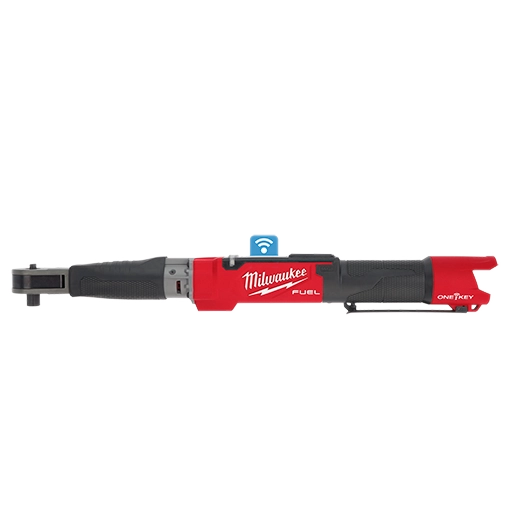
A cordless torque wrench is useful when a fastener needs a specified tightening torque, not just a strong turn. The catch: many tools sold as “torque wrenches” are impact wrenches with torque-control modes. Those modes can help prevent overtightening, but they do not automatically make the tool a calibrated torque wrench. Choose based on the fasteners you work on and how accurately the result must be controlled.
As an Amazon Associate we earn from qualifying purchases at no extra cost to you.



Know which kind of tool you are buying
A digital or electronic torque wrench measures torque as you tighten and alerts you when you reach a set value. Some are cordless; others use batteries only for the display and are operated by hand. A cordless impact wrench uses hammering action to spin a socket. Its adjustable settings may limit speed or power, but the final torque varies with the battery, fastener, socket, lubrication and time spent pulling the trigger.
For wheel lugs, structural connections or other jobs with a specified torque, an impact wrench can speed up removal and snugging, but use a calibrated torque wrench for final tightening unless the tool’s procedure is explicitly approved for that application. For repeatable fastening on an assembly line or in a service shop, a shutoff-style cordless torque tool may be a better fit than a general-purpose impact.
Compare the main options
| Tool type | Best suited to | Main limitation |
|---|---|---|
| Cordless impact wrench with control modes | Removing stubborn fasteners and quickly running nuts down | Control modes are not proof of achieved torque |
| Cordless electronic torque wrench | Controlled tightening with an audible, visual or vibration alert | Often slower and less suitable for removal |
| Cordless shutoff torque tool | Repeatable production or maintenance work | Higher cost; check calibration and service requirements |
| Manual click torque wrench | Occasional final tightening to a specification | Requires hand effort and room to swing |
Choose range and drive size around the job
Check the required torque values before choosing a tool. A wrench is most useful when the target falls comfortably within its working range, rather than near the bottom or top of the scale. For example, if most of your work is around 20–80 ft-lb, a tool whose usable range covers those values is a better match than one designed mainly for much higher torque. Confirm whether the manufacturer lists torque in ft-lb, in-lb or newton-metres; confusing ft-lb with in-lb creates a twelvefold error.
Drive size is a practical constraint, not a measure of accuracy. A 1/2-inch drive is common for automotive work and larger fasteners; a 3/8-inch drive is easier to handle in tighter spaces and on smaller hardware. Use impact-rated sockets on an impact wrench. A regular chrome socket can crack under impact loading, sending fragments toward your hand or face.
If you need a general removal tool, compare cordless impact wrenches with torque-control modes. If the job requires an alert at a target torque, look at cordless digital torque wrenches and verify that the product measures torque rather than merely offering selectable impact settings.
Factor in the battery platform
For occasional work, the cheapest accurate option may be a manual torque wrench, especially if you already own a cordless impact for loosening. Buying into a new battery platform solely for a torque tool can cost more than the tool itself once you add a battery and charger. If you already have compatible batteries, a bare tool may be economical, but check that the platform offers the type of torque control you actually need.
Battery voltage alone does not tell you whether an impact wrench is suitable. A larger battery may support more sustained output, but it does not guarantee more accurate tightening. Heavy batteries also add weight and can make overhead or cramped work tiring. Compare tool weight with the battery installed, not just the bare-tool figure.
Use the tool without sacrificing accuracy
Start fasteners by hand for several turns. Cross-threading can damage a hub, bolt or threaded insert before a torque setting has any chance to help. Keep threads clean and follow the equipment maker’s instructions about lubrication: oil or anti-seize changes the clamping force produced at a given torque, so a dry-thread specification may no longer apply.
With an impact wrench, use the lowest setting that will seat the fastener, then stop. Do not hold the trigger for an extra few seconds because the tool “sounds close.” Repeated impacts can push torque well past the target. With an electronic wrench, use its alert as directed and keep the tool aligned with the fastener; side loading can affect the reading and damage the connection.
Before tightening a wheel, for example, consult the vehicle’s torque specification and tightening sequence. Snug the lugs gradually in a star pattern, then finish with a calibrated torque wrench. After driving, recheck only if the vehicle or wheel manufacturer calls for it. An impact wrench’s low setting is not a substitute for this final check.
Check calibration and service support
Torque tools can drift after heavy use, a drop or years in storage. Look for stated calibration intervals, available calibration service and a clear warranty. For critical work, keep a record of calibration and use a suitable torque tester or professional service rather than assuming a warning light proves accuracy. Store a manual click wrench at its lowest marked setting if its instructions require that; do not use it as a breaker bar.
For home automotive work, a cordless impact wrench plus a separate calibrated manual wrench is often the sensible combination: fast removal, controlled final tightening and no need to trust an impact mode as a measurement. Pay extra for a cordless torque wrench when repeated, measured tightening saves time or access makes a manual wrench impractical. Choose the tool for the control the job demands, not for the largest torque number on the box.
Related guides
- Longest Lasting Lawn Mower Battery: AGM vs Lithium vs Flooded Lifespan and Cost per Season
- Duralast Gold Lawn Mower Battery Review: U1 Fit, CCA and When to Pay for AGM
- Greenworks Pro 80V 21-Inch Mower Review: Runtime Math, Push vs Self-Propelled and Yard Fit
- Bosch High Pressure Washer Gun Replacement: Fittings, Adapters and What Fits Your Model