What's inside
As an Amazon Associate I earn from qualifying purchases. This post may contain affiliate links at no extra cost to you.
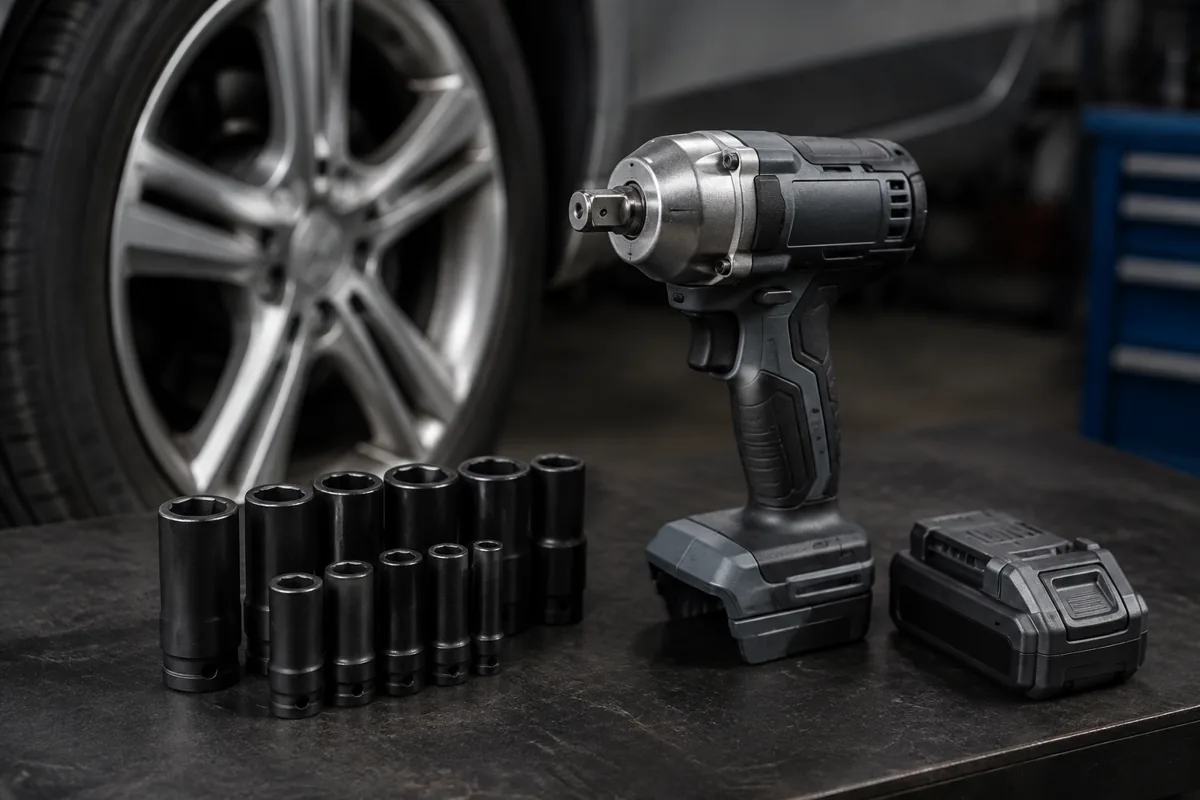
Rusted fasteners are a demanding test for an impact wrench. A nut that has survived years of water, heat and road salt may need far more than the torque required to tighten it. The right cordless tool can save time, but its advertised breakaway figure is not a guarantee that it will remove every stuck bolt. Socket fit, battery condition, access and the fastener itself matter just as much.
As an Amazon Associate we earn from qualifying purchases at no extra cost to you.



What the torque numbers mean
Manufacturers may list fastening torque, nut-busting torque or breakaway torque. These are not interchangeable ratings, and test methods differ. Treat breakaway figures as a way to compare tools from the same brand, not as a promise for your vehicle or equipment. In practice, a compact wrench rated in the roughly 250–400 ft-lb range handles many routine automotive jobs, while stubborn suspension, truck and machinery fasteners can call for a larger tool in the 700–1,000 ft-lb class or above.
High torque is not always helpful. A powerful wrench can snap a corroded stud, round a damaged nut or damage a smaller fastener before you can react. Use a hand ratchet or a lower power setting where the fastener is small, and use a torque wrench for final tightening. Impact wrenches are not precision torque tools.
Choose by the jobs you actually do
For occasional tire changes, light repairs and work on smaller vehicles, a mid-torque 1/2-inch wrench is usually the sensible starting point. It is easier to handle than a high-torque model and can reach places where a bulky tool cannot. If your work regularly involves seized axle nuts, heavy equipment or rusted suspension hardware, a high-torque 1/2-inch wrench is a better fit. Choose a 3/4-inch drive only if you also need larger impact sockets and routinely work on heavy equipment; the whole setup is heavier and less useful in tight spaces.
Compare tools within one battery platform before buying. If you already own compatible batteries and a charger, a bare tool can be a good-value choice. If you are starting from scratch, compare the kit price and battery capacity. A high-output battery may help a wrench sustain power under load, but it also adds weight. A compact battery can make overhead or cramped work less tiring, at the cost of runtime and sometimes performance on the toughest fasteners.
Quick comparison by use
| Wrench type | Best fit | Main trade-off |
|---|---|---|
| Compact 1/2-inch | Light vehicle work, tight access, occasional fasteners | May stall on heavily corroded large nuts |
| Mid-torque 1/2-inch | General automotive and home-shop use | Less reserve than a full-size high-torque tool |
| High-torque 1/2-inch | Stubborn suspension, axle and machinery fasteners | Heavier, bulkier and easier to overdo |
| 3/4-inch drive | Frequent heavy equipment and large fasteners | Requires larger sockets; poor choice for tight spaces |
Features worth paying attention to
Several speed or power settings are useful because they let you start gently, then add force if the fastener holds. A controlled reverse mode that slows or stops after the nut breaks free can reduce the chance of dropping hardware, though it does not replace a steady grip. Check the tool’s weight with the battery attached, not just the bare-tool weight. If you work under a vehicle, balance and trigger access can matter more than a small difference in claimed torque.
Look for a 1/2-inch square drive if your existing impact sockets use that size. Use impact-rated sockets, which are designed for hammering loads; ordinary chrome sockets can crack. A friction-ring anvil makes socket changes quick, while a pin-detent setup holds the socket more securely but can take longer to change. Neither drive style makes a wrench more powerful.
If you need a general-purpose option, compare mid-torque 1/2-inch cordless impact wrenches. For regular work on seriously rusted hardware, compare high-torque 1/2-inch cordless impact wrenches. Search by your battery platform and check whether the listing is for a bare tool or a kit.
When a cheaper wrench is enough
A lower-cost compact wrench is fine if you mostly assemble equipment, change wheels on a small vehicle or remove fasteners that have not spent years in a wet, salty environment. It is also a reasonable choice when you already have a breaker bar for the occasional stubborn bolt. Buying the largest wrench on the shelf for rare worst-case use adds weight and cost every time you pick it up.
Do not assume a more expensive tool will cure a bad battery or poor setup. A nearly empty, old or undersized battery can limit output. So can a loose socket, a universal joint absorbing impact energy or an extension between the anvil and fastener. For work in awkward spaces, a short impact-rated extension may be necessary, but expect some loss of effectiveness. A second battery is more useful than a larger one if you need uninterrupted work and the tool already has enough power.
A safer way to free a rusted fastener
Start with a clean, correctly sized impact socket pushed fully onto the fastener. Brush away loose rust and dirt so the socket seats squarely. Apply penetrating oil to the threads if you can reach them; it may need time to work, and it will not instantly release a bolt whose threads are heavily seized. Keep the wrench aligned with the fastener and use short bursts on a moderate setting before moving to full power.
If the fastener does not move, stop rather than holding the trigger until the tool overheats. Recheck socket fit and battery charge, apply more penetrant, and try controlled heat only when it is safe and there are no nearby fuel, brake, electrical or flammable components. A long breaker bar can give you more feel and leverage than an impact wrench, but excessive force may still break the fastener. If a stud begins to twist, the socket slips, or the nut is rounding, stop and switch methods before the repair grows.
Make the platform choice first
For most home mechanics, a mid-torque 1/2-inch wrench on a battery platform they already own is the best balance of reach, weight and cost. Step up to high torque when large, stubborn fasteners are a regular part of the job, not just because the highest rating looks reassuring. Buy a 3/4-inch tool for repeated heavy-duty work, and budget for the matching impact sockets. Whatever you choose, keep a breaker bar and torque wrench on hand: the impact wrench gets the fastener moving, but those tools help you control the job.
Related guides
- Longest Lasting Lawn Mower Battery: AGM vs Lithium vs Flooded Lifespan and Cost per Season
- Duralast Gold Lawn Mower Battery Review: U1 Fit, CCA and When to Pay for AGM
- Greenworks Pro 80V 21-Inch Mower Review: Runtime Math, Push vs Self-Propelled and Yard Fit
- Bosch High Pressure Washer Gun Replacement: Fittings, Adapters and What Fits Your Model