What's inside
As an Amazon Associate I earn from qualifying purchases. This post may contain affiliate links at no extra cost to you.
What cordless shears can and cannot do
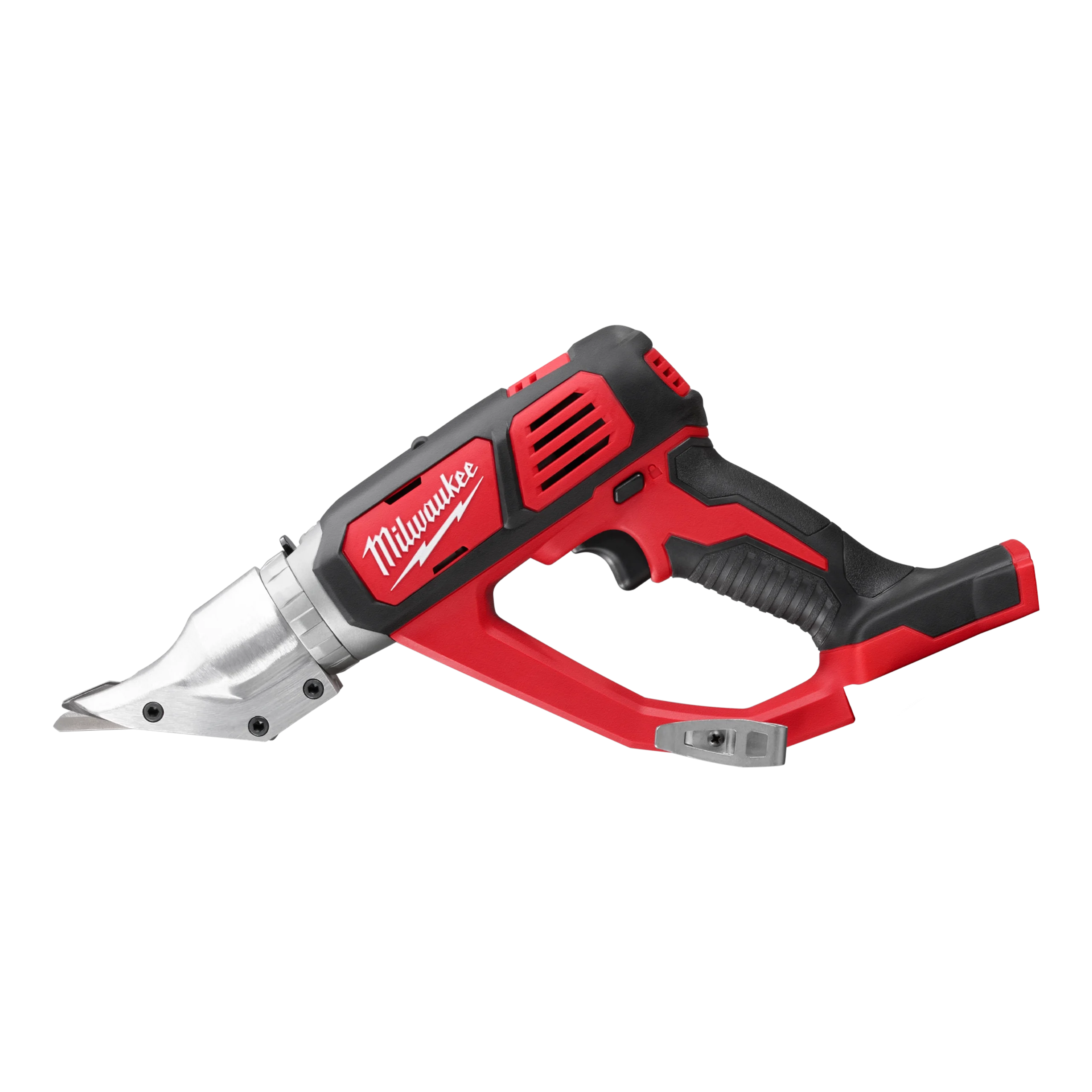
Cordless metal shears are useful for long, reasonably straight cuts in thin sheet: ductwork, roofing panels, flashing and light-gauge steel. They cut faster than hand snips and avoid the abrasive dust and hot sparks from a grinder. They do not make every cut neat. Some designs curl a narrow strip of scrap, others leave a wider kerf, and all can distort thin material if you rush or force a tight turn.
Check the tool’s rated capacity for the metal you actually plan to cut. A rating such as 18-gauge steel does not mean the same thing as 18-gauge stainless steel; harder metals usually have lower limits. Aluminum is softer, but thickness still matters. Treat the manufacturer’s material-specific capacity as a ceiling, not a guarantee of clean work at every angle.
As an Amazon Associate we earn from qualifying purchases at no extra cost to you.

Choose the cutting action
Single-cut shears use a punch and die to remove a narrow strip. They handle curves better than many double-cut styles, but the cut creates a curled scrap that can scratch the work or catch near the tool. Double-cut shears remove a thin ribbon while leaving both sides relatively flat. They’re often a good choice for long cuts where preserving the finish matters, though the wider cutting head can be awkward in tight spaces. A straight-cutting shear is simple and useful for general work, but don’t assume it will turn a tight radius cleanly.
For corrugated roofing or awkward profiles, check the cutting head’s clearance and access before buying. A tool that cuts flat sheet well may not sit squarely on raised ribs. If most of your cuts are short notches, hand snips can be cheaper and more controlled.
Cordless shears compared
| Type | Best suited to | Main trade-off |
|---|---|---|
| Single-cut | Curves and general sheet cutting | Curled scrap strip; can mark the offcut |
| Double-cut | Long cuts where both edges should stay flatter | Wider head; less convenient in tight corners |
| Nibblers | Curves, notches and profiled sheet | Many small chips; more cleanup and eye protection |
| Hand snips | Short cuts, occasional jobs and fine control | Slow and tiring over long distances |
A nibbler is worth considering when you need curves or cuts through a profile that shears struggle to follow. It removes small bites rather than making a continuous shear cut, so it can leave chips scattered around the work area. For a few short cuts a year, good snips may be the sensible purchase; for repeated long cuts, compare cordless metal shears against the cost of a corded tool as well.
Battery platform and runtime
If you already own compatible batteries and a charger, staying on that platform is usually the practical choice. The bare tool can cost considerably less than a kit, and a shared battery system matters more than a small difference in advertised cutting speed. Check compatibility by voltage and platform generation: batteries that look similar may not fit or may not be approved for a particular tool.
Metal cutting puts a steady load on the motor. A compact battery may keep the tool light, but it can run down sooner and may feel less capable in thicker stock than a higher-capacity pack. A 4.0Ah battery stores roughly twice the energy of a 2.0Ah battery at the same voltage, though actual runtime depends on material, cut length and how often the tool stalls. For occasional trim work, a smaller pack is fine. For a full day of roofing or duct installation, a spare battery avoids waiting at the charger. Compare bare-tool options if you already have batteries, or kits with a battery and charger if you’re entering a new platform.
Features that matter on the job
Prioritize a head that rotates or adjusts if you’ll change direction often, a lock-off switch that’s easy to use with gloves, and a trigger you can control at low speed. Tool-free head adjustment is convenient, but a secure cutting head and accessible replacement blades matter more. Metal shears use consumable blades or cutting components; check availability and price before choosing an unfamiliar platform.
Weight changes how tiring overhead work feels. Compare the tool’s weight with the battery attached, not just the bare-tool figure. A larger pack may improve runtime but make the tool cumbersome above shoulder height. Also look for a clear line of sight to the cut. A bulky housing can force you to twist your wrist, making it harder to follow a marked line.
Cut safely and cleanly
Wear safety glasses, gloves suited to sharp sheet edges, and hearing protection if the tool is loud. Secure the sheet so it cannot vibrate or drop as the cut finishes, and support the offcut so it won’t pinch the blade. Mark the line with a fine marker, start with the tool square to the sheet, and let the cutter advance at a steady pace. Pushing harder is not a fix for a dull blade or material beyond capacity; it can stall the tool, deform the sheet or damage the cutting head.
Keep hands clear of the cutting path and curled scrap. Deburr the edge after cutting, especially where people will handle the panel. If the tool repeatedly stalls, leaves a ragged edge or requires heavy pressure, stop and check the material thickness, blade condition and battery charge. For thick plate, tight intricate cuts or work where edge finish is critical, a different process may be a better fit.
Which one to buy
For frequent straight cuts in thin sheet, choose a cordless shear with capacity matched to your material, comfortable balance with your platform battery, and replacement cutting parts you can readily source. Pick double-cut for cleaner long edges, single-cut for more general cutting and curves, or a nibbler for profiles and tighter shapes. If you already have compatible batteries, a bare tool is often the best value. If this is a one-off repair, hand snips may do the job just as well without adding another battery tool.
Related guides
- Longest Lasting Lawn Mower Battery: AGM vs Lithium vs Flooded Lifespan and Cost per Season
- Duralast Gold Lawn Mower Battery Review: U1 Fit, CCA and When to Pay for AGM
- Greenworks Pro 80V 21-Inch Mower Review: Runtime Math, Push vs Self-Propelled and Yard Fit
- Bosch High Pressure Washer Gun Replacement: Fittings, Adapters and What Fits Your Model