What's inside
As an Amazon Associate I earn from qualifying purchases. This post may contain affiliate links at no extra cost to you.
A Cub Cadet battery riding mower covers roughly 1 acre per charge in the 30-inch class and about 2 acres per charge in the 42-inch class — so if your actual grass area (not your lot size) is under about 1.5 acres, one charge will finish the job. Above that, you’ll either mow in two sessions or step up to a larger electric zero-turn. Below is how the lineup’s runtime, deck width, and charge times map to real yards, plus the battery questions owners ask most.
As an Amazon Associate we earn from qualifying purchases at no extra cost to you.
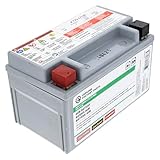


The 2026 Cub Cadet electric lineup at a glance
Cub Cadet sells three distinct types of battery-powered riders, and the right one depends on yard size and layout more than on price. Manufacturer acreage ratings assume flat, dry, regularly maintained grass, so the “realistic” column below applies a typical 25–35% derating for thick growth, slopes, and cooler temperatures.
| Model | Type | Deck | Battery (56V lithium) | Rated coverage | Realistic per charge | Charge time | Typical price range |
|---|---|---|---|---|---|---|---|
| CC30E | Rear-engine rider | 30″ stamped | ≈30 Ah (~1.7 kWh) | Up to 1 acre | ~0.6–0.8 acre | ~4 hrs | $2,500–$3,300 |
| XT1 LT42E | Lawn tractor | 42″ stamped, twin blade | ≈60 Ah (~3.4 kWh) | Up to 2 acres | ~1.3–1.6 acres | ~4 hrs | $4,000–$5,000 |
| ZT1 42E | Zero-turn | 42″ fabricated | ≈60 Ah (~3.4 kWh) | Up to 2 acres | ~1.3–1.6 acres, covered faster | ~4–5 hrs | $4,500–$5,500 |
Cub Cadet also offers larger Ultima-series electric zero-turns in the 50-inch class for lawns approaching 3 acres of grass. The 42-inch zero-turn covers the same acreage as the tractor — it just does it quicker, because its mowing speed is roughly 5.5–7 mph versus the tractor’s 3–4 mph.
How many acres does a charge actually cover?
The number on the box is a best-case figure. The math behind it:
Acres per hour ≈ deck width (ft) × mowing speed (mph) × 5,280 ÷ 43,560 × 0.8
The 0.8 factor accounts for overlap between passes. Worked example for the XT1 LT42E: a 42-inch (3.5 ft) deck at a realistic 3.5 mph gives 3.5 × 3.5 × 5,280 ÷ 43,560 ≈ 1.48 acres/hour theoretical, or about 1.2 acres/hour with overlap. Across its ~90-minute runtime, that’s ~1.8 acres on perfect turf — matching the “up to 2 acres” rating. Mow thick spring grass at a slower speed and the same pack delivers closer to 1.3–1.4 acres.
A second correction most buyers miss: your lot size isn’t your grass area. A 1.25-acre lot with a house, driveway, and beds typically has only 0.8–0.9 acre of mowing. Walk the perimeter on a mapping app and measure the turf itself before matching a mower to acreage.
Practical rule of thumb: buy a machine rated for roughly 1.4× your measured grass area. That margin absorbs tall grass weeks, wet conditions, hills, and the gradual capacity fade every lithium pack shows after a few hundred charge cycles.
Matching deck size and mower type to your yard
| Measured grass area | Yard layout | Best fit | Why |
|---|---|---|---|
| Under 0.5 acre | Flat, tight spaces, fenced gates | CC30E (30″) | Fits through 32–36″ gates; smallest footprint and lowest price |
| 0.5–1.5 acres | Open lawn, gentle slopes, few obstacles | XT1 LT42E (42″) | 2-acre rating gives ~25% headroom; tractor handling suits slopes |
| 1–3 acres | Many trees, beds, or obstacles to circle | ZT1 42E or larger electric ZT | Zero-turn speed cuts mowing time roughly in half around obstacles |
| Over 3 acres, or rough/tall pasture | Any | Gas tractor, or plan two sessions | One charge won’t cover it; refueling beats waiting ~4 hours |
Two deck-width realities worth noting: a wider deck doesn’t extend coverage per charge (it draws more power but finishes sooner), and wider decks scalp more on bumpy ground. Choose the deck for your gate clearance and terrain, and the battery capacity for your acreage.
Charging time and battery compatibility
All three riders carry a chassis-mounted lithium pack, not a removable battery. You charge the whole mower through a port with the included charger on a standard 120-volt outlet — a full charge takes roughly 4 hours, and overnight charging is the normal routine.
That design answers the most common compatibility question: the rider battery is not interchangeable with Cub Cadet’s removable 56V handheld-tool batteries. Your trimmer or blower batteries won’t fit the mower, and vice versa. The rider packs are dedicated, service-installed components.
- Charge after each mow so the pack stays topped up; lithium has no memory effect, and partial charges are fine.
- Use a dedicated outlet or a short, heavy-gauge outdoor-rated cord — a long light-duty extension cord can slow charging and trip breakers.
- Store and charge the mower where temperatures stay roughly 40–80°F; lithium packs lose capacity faster when routinely charged in freezing or very hot conditions.
- For winter storage, leave the pack around 50% charge and check it monthly rather than storing it fully charged or empty.
Ownership realities: what wears first
Electric riders eliminate oil, fuel filters, spark plugs, and carburetor problems — but not all maintenance. Blades still need sharpening once or twice a season and the deck still needs scraping and washing out after wet mows. Tires, seat vinyl, and deck wheels age exactly like their gas equivalents.
The expensive long-term item is the lithium pack itself. Expect gradual capacity loss — typically noticeable after several hundred cycles, which for most homeowners means several seasons — and budget for a replacement pack costing a substantial fraction of the machine’s price somewhere in the 5–8 year range. The most common owner mistake that accelerates wear is also the simplest to avoid: letting grass get too tall between mows, which forces slower passes, drains the pack harder, and shortens effective runtime dramatically.
If you searched “riding mower battery” because yours won’t start
That’s usually a different question — and a much cheaper one. Gas-powered riders, including the gas Cub Cadet XT1/XT2 tractors, most Husqvarna lawn tractors, and Murray rear-engine riders, all run a small 12-volt lead-acid starting battery, most often Group U1 size (about 7.7 × 5.1 × 6.1 inches, 230–330 CCA). General price range: roughly $35–$70.
| Rider type | Battery to buy | Notes |
|---|---|---|
| Cub Cadet gas tractors (XT1/XT2 etc.) | 12V U1/U1R, ~300 CCA | Same family as the electric LT42E, different battery entirely |
| Husqvarna gas riding mowers (YTH, TS series) | 12V U1/U1R | Check terminal orientation — U1R reverses the post positions |
| Murray rear-engine riders | 12V U1, 230+ CCA | Compact riders; U1 is almost universal in this class |
The single most common replacement error is ordering a U1 when the mower needs a U1R (or the reverse) — the terminals sit on opposite sides and the cables won’t reach. Match the old battery’s code, clean the terminals, and put the battery on a maintainer over winter to get 3–5 years instead of two.
FAQ
Can I mow half, recharge, and finish the same day?
Yes. A full charge takes about 4 hours, so splitting a large lawn into a morning and afternoon session works — though at that acreage a larger-deck model or a gas mower is usually the better answer.
Will it mow wet or very tall grass?
It will cut, but wet clippings and dense growth can reduce per-charge coverage by a third or more and load the blade motors hard. For best results, mow dry and never take off more than a third of the blade height in one pass.
Are these mowers OK on hills?
Lawn tractors like the XT1 LT42E handle gentle slopes well; manufacturers generally advise against slopes steeper than about 15 degrees for any riding mower, and rear-engine riders like the CC30E should stay on flatter ground.
How long does the mower’s lithium pack last?
Lithium capacity fades gradually rather than dying suddenly. Most owners see several seasons of normal use before runtime drops enough to notice, and packs are replaceable through dealer service when they do.