
What's inside
- Top Picks at a Glance
- Comparison Table
- Abrasive vs Cold-Cut: Which Type Do You Need?
- 1. Evolution S355CPSL: Best Overall
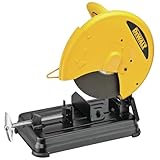
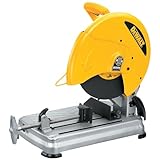
- 2. DeWalt D28730: Best Traditional Abrasive Saw
- 3. Makita LW1401: Best for Heavy Shop Use
- 4. Bosch GCO15-14: Best Value
- 5. Evolution R355CPS: Best Multi-Material Saw
- 6. WEN CM1446: Best Mid-Range Carbide Saw
- 7. VEVOR 14-Inch Abrasive Chop Saw: Best Budget
- Also Consider
- Metal Saws vs Paver and Block Saws
- Wheel Wear and Cost Per Cut: A Worked Example
- Setting Up a Metal Cutoff Saw Safely
- How We Chose
- Buying Guide
- Common Mistakes to Avoid
- Frequently Asked Questions
- Which One Should You Buy?
- Sources
As an Amazon Associate I earn from qualifying purchases. This post may contain affiliate links at no extra cost to you.
The best metal cutoff saw for most workshops is the Evolution S355CPSL: a 15-amp, 14-inch dry-cut saw that uses a carbide-tipped blade at about 1450 RPM, so cuts are cooler and cleaner than with an abrasive wheel. If you cut a lot of rebar, hardened stock or rough structural steel on a tight budget, the runner-up is a traditional 14-inch abrasive cutoff saw such as the DeWalt D28730 or the Makita LW1401, which are cheaper to buy and tolerate abuse. This guide covers the best metal cutoff saws for fabricators, farm and garage welders and home builders, and it briefly explains where paver and masonry saws fit when your job is stone rather than steel.
This guide is research-based. We did not personally use these saws. We compared manufacturer manuals and spec sheets, retailer listings and independent reviews, and we mark any detail we could not confirm as “not listed”. Cutting steel is hazardous work, and nothing here replaces the safety instructions in the manual that comes with your saw.
As an Amazon Associate we earn from qualifying purchases at no extra cost to you.


Top Picks at a Glance
- Best Overall: Evolution S355CPSL, 14-inch dry-cut metal saw with a carbide-tipped blade.
- Best Traditional Abrasive Saw: DeWalt D28730 14-inch chop saw.
- Best for Heavy Shop Use: Makita LW1401 14-inch cut-off saw.
- Best Value: Bosch GCO15-14 abrasive cut-off machine with a 15-amp motor.
- Best Multi-Material Saw: Evolution R355CPS, which cuts mild steel, wood, plastic and composite decking with one blade.
- Best Mid-Range Carbide Saw: WEN CM1446, a 15-amp, 14-inch multi-material saw with a carbide-tipped blade.
- Best Budget: VEVOR 14-inch abrasive chop saw with a 2300W motor.
Comparison Table
| Product | Best for | Key specs | Watch for | Price tier |
|---|---|---|---|---|
| Evolution S355CPSL | Clean, dry cuts in steel | 14 in carbide blade, 15 A, about 1450 RPM, 1/2 in mild steel plate | Blade is a consumable and costs more than a wheel | Mid-range |
| DeWalt D28730 | General steel cutting | 14 in abrasive chop saw, motor details not listed | Sparks and wheel wear | Mid-range |
| Makita LW1401 | Frequent shop use | 14 in cut-off saw, motor details not listed | Heavier, abrasive wheel costs | Mid-range |
| Bosch GCO15-14 | Large capacity on a fence | 14 in abrasive, 15 A motor, adjustable fence | Wheel wear, heavy | Mid-range |
| Evolution R355CPS | Mixed materials | 14 in 32-tooth carbide blade, 15 A, 1/4 in mild steel plate | Thinner steel capacity than the S355CPSL | Mid-range |
| WEN CM1446 | Carbide blade on a budget | 14 in carbide-tipped metal blade, 15 A | Weight and cut capacity not listed | Mid-range |
| VEVOR 14 in Abrasive | Occasional rebar and angle iron | 2300W, 3600 RPM, 0-45 degree miter, vise | Less refinement than name brands | Budget |
Abrasive vs Cold-Cut: Which Type Do You Need?
A metal cutoff saw, also called a chop saw, drops a spinning blade through the work held in a vise. There are two blade technologies, and choosing between them matters more than any single brand.
| Factor | Abrasive wheel saw | Carbide-tipped dry-cut saw |
|---|---|---|
| Blade speed | High, often around 3600 to 3800 RPM | Slower, about 1450 RPM on the Evolution models |
| Sparks and heat | Heavy sparks, hot workpiece | Small chips, workpiece stays much cooler |
| Burr | Burr and rough edge | Cleaner edge with little burr |
| Consumable cost | Cheap wheels that shrink as they wear | Costly carbide blade that lasts many more cuts |
| Hardened steel | Handles it well | Not recommended; follow the maker’s material list |
| Wheel/blade swaps | Frequent | Rare |
An abrasive saw grinds through the metal. It is forgiving about material but fast to throw sparks, fast to shrink its wheel and slow to leave a burr-free end. A carbide-tipped saw cuts the steel like a very hard circular saw blade and leaves a cleaner finish, but you must keep the material within the manufacturer’s list. If you cut mostly mild steel tube, angle and flat bar and you value a tidy edge for welding, the carbide route is the better one. If you cut rebar, bolts, hardened stock or rusty field material, an abrasive saw remains the classic choice.
1. Evolution S355CPSL: Best Overall
- 14-inch carbide-tipped mild-steel blade, 66 teeth, 1-inch bore
- 15 amp motor, maximum blade speed about 1450 RPM
- Square tube capacity 4-3/4 inches at 90 degrees and 3-1/2 inches at 45 degrees
- Round tube capacity 5-1/8 inches at 90 degrees
- Mild steel plate to 1/2 inch; weight about 51 lb per the manual (published weights vary)
Best for: Welders and fabricators who want square, nearly burr-free cuts without the sparks. Skip if: you regularly cut hardened material or rebar.
The S355CPSL is the dedicated metal version of Evolution’s 14-inch line. The slower blade speed is the reason it cuts cooler: the workpiece can be handled sooner and does not discolor the way an abrasive cut does. The listed capacities are generous for a bench saw, covering 4-3/4 inch square tube at 90 degrees, and the manual’s quoted plate capacity of 1/2 inch is double that of the multi-material model. A longer cord and longer rated motor life than the R355CPS are additional differences.
For real use, the thing to understand is blade life and cost. A carbide blade costs far more than a wheel but typically lasts many more cuts, and it can be re-tipped or replaced on a schedule. Keep the vise tight, let the saw reach full speed before lowering, and do not force the head.
Pros: clean dry cuts; limited sparks; strong tube capacity; low burr. Cons: not for hardened steel; replacement blades cost more than wheels; weight is reported differently by different sources.
2. DeWalt D28730: Best Traditional Abrasive Saw
- 14-inch abrasive chop saw
- Model D28730
- Motor, weight and capacity figures: not listed in the retail title
- Built for abrasive cutoff wheels
Best for: Shops and job sites that cut bar stock, pipe, angle and rebar and want a familiar tool brand. Skip if: you hate sparks and clean-up.
The D28730 is the saw many people picture when they think of a cutoff saw: a 14-inch wheel, a quick-action vise and a sturdy base. We could not confirm full motor and capacity figures from the retail listing, so check the manufacturer’s page before you plan a project around a particular cut size. The strength of an abrasive saw is flexibility. You can cut hardened bolts, rebar and rusty angle without worrying about carbide teeth, and wheels cost little.
The downsides are the ones that come with all abrasive saws: spark spray, dust, wheel wear and a hot burr. Wear safety glasses and a face shield, keep flammables clear and clamp the workpiece, because a twisted piece can pinch and break a wheel.
Pros: versatile on steel types; low consumable cost; familiar design. Cons: sparks and burr; wheel shrinkage; specs not listed in the title.
3. Makita LW1401: Best for Heavy Shop Use
- 14-inch cut-off saw
- Model LW1401
- Motor, weight and capacity: not listed in the retail title
- Abrasive wheel design
Best for: Repeated daily cuts in a shop where durability and parts availability matter. Skip if: you need a lighter portable saw.
Makita’s LW1401 has a long history as a no-frills 14-inch cutoff machine. Because the listing gives few numbers, treat it as a dependable class of tool rather than a spec leader: verify the amp rating, rated wheel speed and cutting capacities in the manual or on the Makita site before you buy. Abrasive wheels carry a maximum RPM rating, and the saw’s no-load speed must not exceed it.
Pros: established brand; widely stocked wheels; robust shop saw. Cons: heavy; sparks; limited figures in the listing.
4. Bosch GCO15-14: Best Value
- 14-inch abrasive cut-off machine
- 15 amp motor
- Adjustable fence for quick, accurate cuts
- Large cutting capacity as described by the maker
Best for: Buyers who want a major-brand abrasive saw with a clearly stated 15-amp motor and an adjustable fence for mitered cuts. Skip if: you prefer carbide.
The Bosch pairs a 15-amp motor with an adjustable fence, which makes repeat angle cuts less fiddly. For a steel gate or trailer build with many pieces cut to the same angle, a sturdy fence and positive vise matter more than raw power. As with all abrasive saws, check the wheel size and rating, store wheels flat and dry, and replace any wheel that is cracked or damp.
Pros: stated 15 A motor; adjustable fence; reputable brand. Cons: abrasive-wheel mess; capacity figures not listed in our source.
5. Evolution R355CPS: Best Multi-Material Saw
- 14-inch, 32-tooth carbide-tipped blade
- 15 amp motor
- Square tube capacity 4-3/4 inches at 0 degrees
- Mild steel plate to 1/4 inch
- About 47.5 lb per the maker
Best for: A garage or farm shop that cuts steel, aluminum, plastic, wood and even composite decking and wants one saw. Skip if: your focus is thick steel plate or structural sections.
The R355CPS shares the S355CPSL platform but uses a general-purpose carbide blade and cuts thinner plate. That makes it a good fit for a workshop where one saw has to do metal, wood and plastic. The trade-off is that the blade is not optimized for steel the way the S355CPSL’s 66-tooth blade is, so steel-heavy work gets a rougher finish. It is lighter than the metal-only model, which helps if you carry the saw to jobs.
Pros: multi-material; lighter; carbide blade. Cons: thinner plate capacity; not as smooth on steel as the S355CPSL.
6. WEN CM1446: Best Mid-Range Carbide Saw
- 14-inch multi-material cut-off chop saw
- 15 amp motor
- Carbide-tipped metal-cutting blade included
- Weight and exact capacities: not listed in the retail title
Best for: Home shop owners who want a carbide dry-cut saw and a recognizable budget-friendly brand. Skip if: you want a long maker track record of professional use.
WEN positions the CM1446 as a multi-material alternative to the Evolution saws. Specific cut capacities and weights are not in our source, so compare them against the Evolution figures using the manual. For hobby fabrication, a carbide saw at this tier is a fair way to avoid the dust and spark cloud of abrasive cutting.
Pros: carbide blade included; 15 A; accessible price tier. Cons: less documented than competitors; specs not listed in the title.
7. VEVOR 14-Inch Abrasive Chop Saw: Best Budget
- 14-inch abrasive blade
- 2300W motor, 3600 RPM
- 0 to 45 degree adjustable angle
- Thick non-slip vise and wrench included
- For metal, rebar, iron and aluminum per the listing
Best for: Occasional use such as cutting rebar, angle iron and pipe for farm repairs. Skip if: you need long-term professional durability.
At the budget tier, the VEVOR gives you a 14-inch abrasive saw with a miter-adjustable vise and a stated 2300W motor. It will cut the same shapes as the name brands, though you should inspect the vise alignment out of the box and run the saw at no load before the first cut. Use only wheels rated for at least the saw’s speed.
Pros: low entry cost; stated motor wattage; adjustable angle. Cons: less refined; long-term support unknown.
Also Consider
Evolution S14CPS 14-inch Heavy-Duty Metal Cutting Saw
A step-up metal-cutting saw with a soft-start motor and e-brake per the listing. It sits in the premium tier above the S355CPSL.
VEVOR 7-1/4-inch Stainless Cold Cut Saw
A compact 1200W cold-cut chop saw with a 7-1/4 inch blade, rated for square and flat tube. Good for thin-wall work when bench space is limited.
XtremepowerUS 9-inch Electric Concrete Saw
For paver and block cuts, an 1800W wet/dry power cutter with a 9-inch diamond blade and guide rollers. This is a masonry tool, not a metal saw.
XtremepowerUS 16-inch Gas Concrete Cut-Off Saw
A gas-powered handheld cut-off saw with a 52cc two-stroke engine and 5-inch maximum cut depth, aimed at heavier masonry and concrete work.
Metal Saws vs Paver and Block Saws
Readers often search for metal cutoff saws and paver saws together because both are “chop” style tools. They are not interchangeable. A metal saw uses an abrasive wheel or carbide-tipped blade; a paver or block saw uses a diamond blade designed for stone, concrete and brick, usually with water to control dust. Do not put a diamond masonry blade on a metal chop saw or a metal blade on a masonry saw. For a driveway paver job, a wet-cut masonry saw such as the 9-inch XtremepowerUS unit is closer to what you need than any steel-cutting saw, and the same goes for block work. Dust from masonry cutting contains silica, so a respirator rated for it and water suppression are essential.
Likewise, if your real task is drilling large holes in steel plate, a hole saw or step bit is the correct accessory rather than a chop saw; we cover those tools separately.
Wheel Wear and Cost Per Cut: A Worked Example
Abrasive wheels shrink as they cut, and a smaller wheel means a smaller cut depth and a lower rim speed. A 14-inch wheel that has worn down by an inch or two loses a meaningful part of its capacity, so a saw that was rated for 4-inch tube on a new wheel may no longer clear it. That is why shop users often keep a gauge or simply replace wheels on a schedule. Carbide blades keep their diameter, so capacity stays constant until the teeth are worn or chipped.
To compare the true cost of the two approaches, use a simple method with your own local prices. First, estimate how many cuts a single wheel gives you in your typical stock; call that W cuts. Divide the wheel price by W. Then estimate how many cuts a carbide blade gives; the Evolution premium model’s own listing quotes a figure above 3,500 cuts for its dedicated metal blade, which is a manufacturer claim and will vary with stock thickness. Divide the blade price by your realistic number. If you cut only a few dozen pieces a year, the cheaper abrasive route usually wins on total cost. If you cut dozens per week, the carbide blade’s cost per cut can drop below the wheel’s, and you also save the time of changing wheels and grinding burrs off every piece.
Do not forget the second-order costs. Abrasive cuts leave a hot, burred end that often needs a grinder pass before welding. Carbide cuts are typically weld-ready. Those saved minutes are the main reason fabrication shops move to dry-cut saws.
Setting Up a Metal Cutoff Saw Safely
- Place the saw on a stable bench or stand, bolted down if the manual calls for it.
- Check the guard moves freely and the blade or wheel is undamaged and correctly rated.
- Clamp the stock so the cut-off piece cannot pinch the blade; support long stock on both sides.
- Clear sparks’ path of sawdust, rags and flammables, and keep a fire extinguisher nearby.
- Start the saw, let it reach full speed, then lower the head steadily without leaning on it.
- Release the trigger and wait for the blade to stop before lifting the head or removing the piece.
How We Chose
We started with the saws that are currently sold in the store catalog, then compared manufacturer manuals, retailer listings and independent reviews. We favored 14-inch machines with a 15-amp class motor, a vise that clamps the work, a miter fence and a track record under shop conditions. We also included one multi-material carbide saw and one budget abrasive saw so every price tier is represented. We did not personally use these products. Where the listing did not give a spec, such as motor current on the DeWalt and Makita, we marked it “not listed” and recommend checking the manual before buying.
Buying Guide
Choose Abrasive or Carbide First
Decide your material before you decide your brand. Mild steel tube, angle and flat bar that will be welded are ideal for a carbide dry-cut saw. Rebar, bolts, hardened steel and rusty scrap suit an abrasive wheel. If you do both, own an abrasive saw and a carbide saw, or buy the saw whose manual lists your materials.
Check Capacity at 90 and 45 Degrees
Listed capacities drop sharply at 45 degrees. On the Evolution S355CPSL, square tube capacity is 4-3/4 inches at 90 degrees but 3-1/2 inches at 45 degrees. If your project involves mitered frames, use the 45-degree figure when you compare saws.
Motor, Speed and Blade Rating
A 15-amp motor is the norm for 14-inch saws and it needs a proper 15- or 20-amp circuit. Never run a wheel rated lower than the saw’s speed. The VEVOR abrasive saw lists 3600 RPM, so use wheels rated for that or higher.
Vise and Fence Quality
A saw is only as accurate as its clamping. A vise that locks quickly and holds round stock without twisting does more for cut quality than extra horsepower. Check that the fence is square to the blade before the first cut.
Safety Gear and Setup
Wear eye and face protection, hearing protection and gloves that will not catch. Keep the area clear of flammables because sparks travel several feet. Use a guard, keep the guard in place and let the blade come to full speed before cutting.
Common Mistakes to Avoid
- Forcing the cut. Let the blade do the work; pushing hard overheats the wheel or tips.
- Cutting unclamped work. Rotating material can kick back.
- Using the wrong blade. Match the blade to the material list in the manual.
- Old or damp wheels. Abrasive wheels age and absorb moisture; replace any that look damaged.
- Skipping hearing and eye protection. Cutoff saws are loud and throw fragments.
Frequently Asked Questions
What is the best metal cutoff saw for a home shop?
The Evolution S355CPSL is a strong all-round choice if you cut mild steel, because its carbide blade leaves clean cuts. An abrasive saw such as the Bosch GCO15-14 or DeWalt D28730 is better if you cut rebar or hardened stock.
Is a carbide-tipped chop saw better than an abrasive one?
For mild steel, many users prefer carbide for cleaner, cooler cuts and fewer sparks. Abrasive saws win on hardened and rough material and on blade cost.
Can I use a metal chop saw to cut pavers?
No. Pavers and blocks need a diamond blade on a masonry saw with dust control. Using a metal saw on stone is unsafe.
What are the best paver saws and block saws?
For small jobs, an electric wet/dry masonry saw such as a 9-inch diamond-blade model works for pavers. For larger masonry work, gas cut-off saws and walk-behind saws are used. Check blade size, depth of cut and water supply before choosing.
What size metal cutoff saw should I buy?
A 14-inch saw is the standard shop size for tube and bar. Smaller 7-1/4 inch cold-cut saws suit thin-wall tube and tight spaces.
Do I need a special circuit?
Most 15-amp saws should run on a dedicated circuit and a short heavy-duty extension cord if one is needed. Check the manual.
Are metal hole saws the same as cutoff saws?
No. Hole saws drill round holes; cutoff saws make straight cuts through stock. They solve different problems.
Which One Should You Buy?
If most of your work is mild steel tube and angle that will be welded, buy the Evolution S355CPSL. If you want one saw for steel, aluminum, plastic and wood, the Evolution R355CPS or WEN CM1446 is more flexible. If you cut rebar, hardened steel or scrap every week, choose an abrasive saw: the Bosch GCO15-14 for its stated 15 A motor and adjustable fence, the DeWalt D28730 or Makita LW1401 for brand support, or the VEVOR for the lowest outlay. For masonry, use a diamond-blade wet saw instead and leave your metal saw for steel.
Sources
- Evolution Power Tools, S355CPSL and R355CPS manuals and product pages
- Bosch Power Tools, GCO15-14 abrasive cut-off machine product information
- DeWalt, D28730 14-inch chop saw product information
- Makita, LW1401 cut-off saw product information
- WEN Products and VEVOR, manufacturer product pages
Last updated: October 2026
Related guides
More from Amazon
Programs that pair well with the guide above. Offers and eligibility are set by Amazon and may change.
A free business account with business pricing and bulk-buying tools for work, shop or home office.
Create a business accountFree shipping on eligible items, Prime Video and more. Eligible new members can start with a free trial.
Start a Prime free trialAudiobooks and podcasts to listen to on the go. Eligible new members can start with a free trial.
Try Audible freeAd-free music streaming. Eligible new subscribers can start with a free trial.
Try Music Unlimited freeAs an Amazon Associate we earn from qualifying purchases.
Write Your Review
No reviews yet. Be the first to share your experience!