What's inside
As an Amazon Associate I earn from qualifying purchases. This post may contain affiliate links at no extra cost to you.
What Makes a Brush Cutter Different
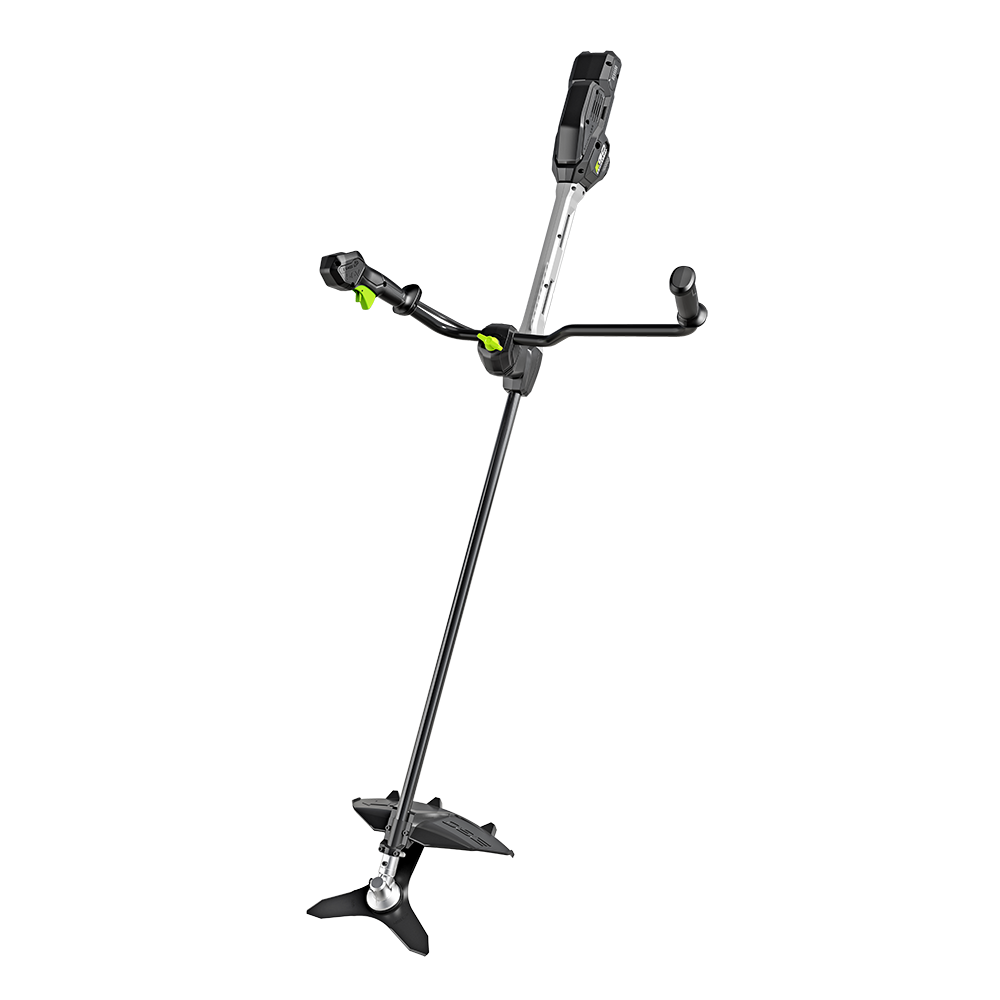
A string trimmer is designed for grass and lawn edges. A brush cutter has the torque, guard, gearbox, and cutting head to handle woody stems, tall weeds, brambles, and neglected growth. For dense vegetation, that distinction matters more than the advertised voltage.
The most useful cordless machines accept a metal blade, usually a three-tooth brush blade or a thicker circular saw-style blade. Some are sold with a string head as well. A blade cuts through stems cleanly, while line is better for grass and soft weeds. Do not assume every cordless trimmer can safely run a blade; the tool must be designed and guarded for it.
As an Amazon Associate we earn from qualifying purchases at no extra cost to you.



For occasional clearing around a property, a mid- or high-voltage machine is usually enough. For acres of thick weeds, saplings, or vines, look at 60V cordless brush cutters or equivalent high-output platforms. They are heavier and more expensive, but their motors are less likely to bog down when the blade enters thick stems.
The Best Cordless Brush Cutter Types
| Type | Best for | Typical battery | Main trade-off |
|---|---|---|---|
| 18V or 20V compact cutter | Grass, weeds, light brambles, small lots | 4Ah to 8Ah | Limited blade performance and shorter runtime |
| 36V or 40V cutter | Regular property maintenance and mixed weeds | 4Ah to 8Ah | Good balance, but not ideal for heavy saplings |
| 56V to 60V cutter | Dense weeds, brush, brambles, and larger areas | 5Ah to 12Ah | More weight, cost, and battery expense |
| 80V cutter | Long sessions and the heaviest cordless work | 4Ah to 8Ah | Large ecosystem investment and higher tool weight |
Best Overall: High-Output 56V to 60V Platforms
For genuinely dense vegetation, a high-output platform is the safest general recommendation. EGO’s 56V system, DeWalt’s 60V FlexVolt range, and similar systems from other established brands provide enough power for a metal blade without feeling like a lawn trimmer being pushed beyond its design.
Choose a model with a bike handle, shoulder harness, and a solid gear head. The bike handle spreads the load and gives you better control when the blade catches a stem. A loop handle can be adequate for lighter work, but it becomes tiring and less stable during long clearing sessions.
Expect roughly 20 to 45 minutes of hard cutting from a large battery, depending on vegetation, blade size, throttle use, and whether the tool uses one or two battery packs. Runtime claims based on light trimming are not useful here. Dense, wet weeds can consume a battery in half that time.
A high-output cordless cutter is worth buying when you already own the batteries, need to work where gas exhaust is undesirable, or want less maintenance than a two-stroke machine. It is not automatically the cheapest choice for one weekend of clearing. If you only cut a few edges each year, a cheaper 36V or 40V system may be perfectly adequate.
Best Mid-Voltage Option: 36V to 40V Systems
Mid-voltage cutters are the practical choice for most homeowners dealing with tall grass, thistles, blackberry runners, and weeds up to about 1/2 inch thick. They are generally lighter than 60V machines and often share batteries with blowers, chainsaws, hedge trimmers, and other yard tools.
Makita’s 40V XGT platform and comparable 36V or 40V systems are worth considering if you are starting an ecosystem rather than buying a standalone tool. Check the included battery carefully: a bare tool can look inexpensive until a suitable 5Ah or larger pack and charger are added.
For this class, prioritize a brushless motor, variable speed control, a reversible blade if supported, and a harness included in the box. A narrow cutting path around 13 to 15 inches is easier to control in tangled growth than an oversized head. Bigger is not always better; a wide blade path can overload the motor and increases the chance of striking fences, rocks, or tree trunks.
Best Budget Choice: Existing 18V or 20V Ecosystems
An 18V or 20V cordless brush cutter makes sense when you already own several batteries from that brand and your work is mostly grass, weeds, and thin soft-stem growth. Search for an 20V cordless brush cutter with a metal blade only after confirming that the specific model is approved for blade use.
These tools are commonly lighter and cheaper, and a 5Ah battery is easier to carry than a large high-voltage pack. The limitation is recovery under load. If the head slows repeatedly in thick brush, continuing to force it can overheat the motor, controller, or battery. Use a narrower blade, cut in shallow sweeps, and let the tool regain speed between passes.
The cheaper option is fine for maintaining a fence line twice a year or clearing a small garden that has become overgrown. It is a poor choice for several hours of woody brush, especially if you do not already own the batteries.
Battery and Charger Costs Matter
Brush cutters are among the hungriest cordless yard tools. A small 2Ah battery may run the tool, but it will provide short sessions and noticeable voltage sag. For serious clearing, plan on at least a 5Ah battery, and preferably two packs if the area is large.
High-output batteries cost more and weigh more. A 10Ah pack can make a powerful cutter practical, but the extra weight is carried at the tool’s rear for the entire session. Two medium batteries can be easier to manage than one very large pack, particularly if you already have a fast charger.
Stay within one battery ecosystem where possible. Batteries are not interchangeable merely because the voltage label looks similar, and adapters can defeat electronic protection systems. A platform with outdoor tools, saws, drills, and chargers gives the battery investment more value than a powerful brush cutter from an isolated system.
How to Use One Without Breaking It
Wear eye protection, hearing protection, gloves, long trousers, boots, and a face shield when using a metal blade. Inspect the area first and remove wire, fencing, stones, and hidden rubbish. A blade can throw debris much farther and with more force than nylon line.
Cut with the lower-left portion of a three-tooth blade where possible, moving steadily rather than stabbing into the growth. Do not swing aggressively. If the blade binds, release the trigger and wait for it to stop before clearing the jam. Never reach under the guard with the battery installed.
Keep the motor vents clear and clean packed vegetation from the gearbox after each session. Stop if the tool repeatedly cuts out, smells hot, or loses speed under a normal load. Those symptoms usually mean an overloaded machine, dull blade, damaged gearbox, or battery protection trip—not a problem solved by squeezing the trigger harder.
Related guides
- Longest Lasting Lawn Mower Battery: AGM vs Lithium vs Flooded Lifespan and Cost per Season
- Duralast Gold Lawn Mower Battery Review: U1 Fit, CCA and When to Pay for AGM
- Greenworks Pro 80V 21-Inch Mower Review: Runtime Math, Push vs Self-Propelled and Yard Fit
- Bosch High Pressure Washer Gun Replacement: Fittings, Adapters and What Fits Your Model