What's inside
- Penn State Industries Dust Collection: What’s Actually Available
- Spec Comparison: Airflow, Filtration, Footprint, Ports
- Matching Collector Capacity to Your Machines
- Which One Should You Buy? A Decision Matrix
- Filtration: The Upgrade That Matters Most
- Connection Options and Hose Runs
- Ownership Realities: What Wears and What Goes Wrong
- Price Expectations
- FAQ
- Penn State Industries Dust Collection: What’s Actually Available
- Spec Comparison: Airflow, Filtration, Footprint, Ports
- Matching Collector Capacity to Your Machines
- Which One Should You Buy? A Decision Matrix
- Filtration: The Upgrade That Matters Most
- Connection Options and Hose Runs
- Ownership Realities: What Wears and What Goes Wrong
- Price Expectations
- FAQ
As an Amazon Associate I earn from qualifying purchases. This post may contain affiliate links at no extra cost to you.
The best Penn State Industries dust collector for most small-to-mid wood shops is the 1.5 HP canister model: it delivers enough airflow (roughly 1,100–1,300 CFM) to pull chips from a table saw or planer through a single 4-inch or 6-inch trunk line, while the pleated canister filters far finer than a stock cloth bag. Smaller shops running one machine at a time can save floor space with PSI’s 1 HP wall-mount unit, and larger shops with ducted runs should step up to a 2 HP system.
As an Amazon Associate we earn from qualifying purchases at no extra cost to you.
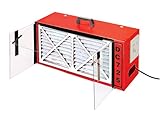
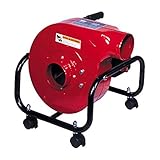


Penn State Industries Dust Collection: What’s Actually Available
Penn State Industries (sometimes searched as “Penn Industries dust collector”) built its reputation on pen-turning supplies, but its dust collection lineup covers the same territory as other import-brand collectors: wall-mount units for compact shops, mobile single-stage collectors for mid-size garages, and larger systems meant for permanent ductwork. All of them share a few traits: universal-fit inlet reducers, compatibility with standard 4-inch flex hose, and aftermarket canister filter upgrades that replace the stock filtration bags.
The three configurations shoppers most often compare:
- 1 HP wall-mount collector – hangs on the wall above a tool, typically pairing with a single machine via a short hose run.
- 1.5 HP mobile collector – the volume seller; wheeled base, dual-bag or bag-plus-canister setup, and enough pull for one machine at a time.
- 2 HP collector – larger impeller, 6-inch main inlet, designed to feed a ducted system with blast gates.
Spec Comparison: Airflow, Filtration, Footprint, Ports
Advertised CFM is measured at the impeller with no hose attached — real-world numbers drop 30–40% once you add flex hose, elbows, and a separator. The table below uses typical published specs for this class of collector, plus a realistic “at the tool” estimate:
| Model type | Motor | Rated CFM | Realistic CFM at tool | Filtration (stock) | Inlet options | Footprint | Noise (approx.) |
|---|---|---|---|---|---|---|---|
| 1 HP wall-mount | 1 HP, 110V | ~550–650 | ~350–400 | 2.5–30 micron cloth bag | 1 × 4″ port | Wall-mounted, ~20″ × 12″ | ~75–80 dB |
| 1.5 HP mobile | 1.5 HP, 110/220V | ~1,100–1,300 | ~650–800 | 5-micron bag or 1-micron canister | 1 × 6″ or 2 × 4″ Y-adapter | ~33″ × 20″, on casters | ~80–85 dB |
| 2 HP ducted | 2 HP, 220V | ~1,500–1,600 | ~900–1,100 | 5-micron bag; canister recommended | 1 × 6–7″ main, splits to 4″ drops | ~36″ × 22″ | ~83–88 dB |
Two numbers matter more than the headline CFM: static pressure capacity (how well the collector maintains airflow through long or restrictive runs) and filtration rating. The fine dust that hangs in the air — the stuff under 10 microns that actually reaches your lungs — passes straight through a stock 30-micron bag. That’s why the canister upgrade matters.
Matching Collector Capacity to Your Machines
Every tool has a minimum CFM requirement at its dust port. Plan your collector around the hungriest machine you run, not the average:
| Machine | Port size | Minimum CFM needed | Collector that covers it |
|---|---|---|---|
| Table saw (overhead + cabinet) | 4″ | 350–400 | 1 HP wall-mount or larger |
| 13″ planer / jointer | 4–5″ | 400–600 | 1.5 HP mobile |
| Band saw | 4″ | 350 | Any; poor port design limits gains |
| Drum/wide-belt sander | 4″ | 600+ | 1.5 HP minimum; 2 HP preferred |
| Lathe (sanding) | 2.5–4″ hood | 350–500 | 1.5 HP with a capture hood |
| Miter saw / small tools | 2.5″ | 150–300 | Shop vac or wall-mount unit |
The math is simple: if your planer needs 500 CFM at the tool and a 15-foot flex hose run costs you ~35% of rated airflow, a 650 CFM wall-mount delivers roughly 420 CFM — underpowered. A 1,200 CFM-rated 1.5 HP unit delivers roughly 780 CFM through the same run — plenty, with headroom for a cyclone separator.
Which One Should You Buy? A Decision Matrix
| Your situation | Best fit | Why |
|---|---|---|
| One-car garage, one machine at a time, limited floor space | 1 HP wall-mount + canister | Zero floor footprint; short hose runs keep real CFM high enough |
| Hobby shop, table saw + planer + jointer, machines shared | 1.5 HP mobile | Roll it tool-to-tool or park it under a Y-split; 110V runs on standard circuits |
| Dedicated shop, permanent ductwork, 3+ stationary machines | 2 HP with 6″ main trunk | Static pressure holds up through elbows and 20+ ft runs; blast gates isolate machines |
| Pen turning / lathe-focused only | Wall-mount or shop-vac separator | Turning produces shavings, not fine dust volume; a capture hood matters more than CFM |
| Budget-limited but dust-sensitive (allergies, basement shop) | 1.5 HP + aftermarket 1-micron canister | Filtration beats raw airflow for air quality; skip the 2 HP, buy the canister |
Filtration: The Upgrade That Matters Most
Across the Penn State Industries dust collection range — and honestly every import collector — stock cloth bags are the weak point. A typical bag filters to 5–30 microns, which captures chips but blows the finest, most dangerous particles back into the room. Pleated canister filters (1 micron or better) fix this and add a side benefit: the internal flappers let you knock caked dust free without removing the filter.
- Canister over bag: roughly 6× the surface area, better airflow, finer filtration.
- Pre-separator (cyclone lid on a trash can): drops ~95% of chips before the filter, so the canister stays clean and suction stays consistent.
- HEPA retrofit / ambient air filter: if you’re in a basement or shared space, add a ceiling-hung room filter — no collector captures 100% at the port.
Connection Options and Hose Runs
Most PSI collectors ship with a 4-inch inlet or a dual-4-inch Y, and the 2 HP class uses a 6-inch main. Practical rules:
- Keep flex hose runs under 10 feet where possible — every foot of corrugated hose costs far more static pressure than smooth-walled PVC or metal duct.
- Never neck down below the tool’s port size; a 4-inch port on a 2.5-inch hose chokes airflow exactly where you need it.
- Ground PVC duct runs with internal or external wire — static buildup is a real nuisance in dry shops even if fire risk is debated.
- Use blast gates on every drop; an open 4-inch port halves the suction going to your active machine.
Ownership Realities: What Wears and What Goes Wrong
- Impellers: steel impellers survive the occasional screw or knot; aluminum and plastic ones don’t. Run a separator and never suck up hardware.
- Collection bags: the lower bag is the consumable — expect replacements or switch to a clear bag/drum setup. Overfilled bags kill airflow before the motor strains.
- Gaskets and clamps: leaks at the bag rim or canister seal are the most common suction complaint. A bead of foam weatherstripping fixes most of it.
- Capacitors: the most common electrical failure on 110V units after years of hard starts — a cheap, user-replaceable part.
- Common mistake: buying on CFM alone, then running 25 feet of flex hose with three 90° elbows. Duct layout determines real performance more than motor size.
Price Expectations
These collectors sit in the value tier: wall-mount units generally run in the low-to-mid hundreds, 1.5 HP mobile collectors in the mid-hundreds, and 2 HP systems higher still, with canister filters adding a meaningful but worthwhile cost on top. Sales around holidays routinely knock 15–25% off, so timing matters more than brand loyalty at this tier.
FAQ
Is a Penn State dust collector enough for a table saw and planer?
Yes — a 1.5 HP unit handles either machine comfortably one at a time. It can’t pull two 4-inch lines simultaneously at full rated CFM, which is why blast gates matter.
Do I need the canister filter upgrade?
If your shop is enclosed or shared, yes. Stock bags trap chips, not the sub-10-micron dust that causes respiratory irritation. It’s the single highest-value accessory for any penn state industries dust collector.
110V or 220V?
Stay 110V unless you’re buying the 2 HP class — smaller motors get no real benefit, and many 1.5 HP units are dual-voltage anyway. 220V mainly reduces amperage draw and startup strain.
Can I run a PSI collector with a cyclone separator?
Absolutely, and it’s recommended — a trash-can cyclone lid upstream of the collector keeps the filter clean and maintains suction between cleanings.