
Our Top Picks
 DEWALT 20V MAX XR Brushless Cordless 7-1/4 in.STANDARD15.35 x 9.4 x 9.6 inches9.88 PoundsCheck on Amazon
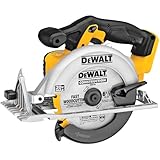
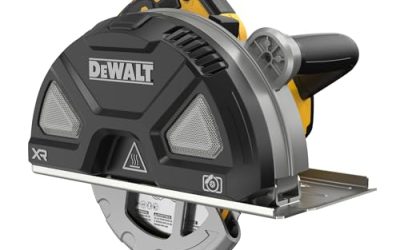
 DEWALT 20V MAX* 6-1/2 in. Brushless Cordless Circular6-1/2-Inch15.25 x 9.63 x 8.5 inches6.3 PoundsCheck on Amazon


What's inside
- Top Picks at a Glance
- Quick Comparison Table
- Which Saw Type Fits Plywood Best?
- 1. DEWALT DWE575SB: Best Overall Circular Saw for Plywood
- 2. DEWALT DWS520K TrackSaw Kit: Best for Precision Cuts
- 3. WEN CT1065: Best Value Track Saw
- 4. Skil 5280-01: Best Budget Circular Saw
- 5. Skil TS6307-00: Best Jobsite Table Saw for Repeat Parts
- 6. Metabo HPT C10FCG2: Best Miter Saw for Angle Cuts on Plywood Strips
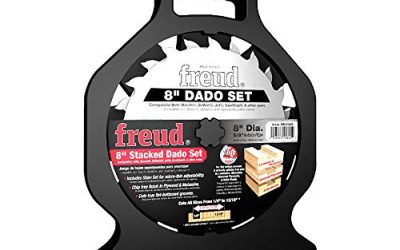
- 7. Freud LU80R010: Best Blade for Chip-Free Plywood
- Also Consider
- How We Chose
- Buying Guide: How to Choose a Saw for Cutting Plywood
- Common Mistakes When Cutting Plywood
- Frequently Asked Questions
- Which One Should You Buy?
- Sources
As an Amazon Associate I earn from qualifying purchases. This post may contain affiliate links at no extra cost to you.
The best saw for cutting plywood is a track saw such as the WEN CT1065 or the DEWALT DWS520K when you need clean, splinter-free edges on full sheets, and a corded circular saw such as the DEWALT DWE575SB when you want one affordable tool that breaks down a sheet in the driveway. A table saw earns its place when you cut many repeat parts, and a miter saw handles short crosscuts on narrow plywood strips. Whichever saw you pick, a fine-tooth plywood blade matters as much as the tool itself.
This guide is research-based. We read manufacturer spec sheets, product listings and independent buyer guides, and we did not personally use these products. Where a detail is not shown in the listing we write “not listed” instead of guessing. The goal is to help you match a saw to the way plywood actually behaves: thin veneer faces, glue lines that dull teeth, and large sheets that are awkward to push through a fixed machine.
As an Amazon Associate we earn from qualifying purchases at no extra cost to you.


Top Picks at a Glance
- Best Overall for a mixed shop: DEWALT DWE575SB 7-1/4 inch corded circular saw, a familiar sidewinder with a pivoting bevel up to 57 degrees.
- Best for Precision Cuts: DEWALT DWS520K 6-1/2 inch TrackSaw kit, built around a guide rail so the cut follows a straight line.
- Best Value Track Saw: WEN CT1065 10-amp 6.5-inch plunge-cut track saw, the cheapest way into rail-guided cutting.
- Best Budget: Skil 5280-01 15-amp 7-1/4 inch circular saw with a single-beam laser guide.
- Best for Repeat Parts: Skil TS6307-00 10-inch jobsite table saw with a folding stand.
- Best for Angle Cuts on Strips: Metabo HPT C10FCG2 10-inch compound miter saw.
- Best Blade Upgrade: Freud LU80R010 10-inch Ultimate Plywood and Melamine blade for table and miter saws.
Quick Comparison Table
| Product | Best for | Key specs (from listing) | Watch for | Price tier |
|---|---|---|---|---|
| DEWALT DWE575SB | All-round sheet breakdown | 7-1/4 in blade, corded, bevel up to 57 degrees | No rail, straightness depends on your guide | Mid-range |
| DEWALT DWS520K TrackSaw kit | Cabinet-grade edges | 6-1/2 in blade, track system kit | Rail length and kit contents not listed in short title | Premium |
| WEN CT1065 | Entry track saw | 10 amp, 6.5 in plunge-cut blade | Rail sold separately or bundled, check the exact listing | Budget to mid-range |
| Skil 5280-01 | Rough and framing cuts | 15 amp, 7-1/4 in blade, laser guide | Stock blade is general purpose, swap for fine teeth | Budget |
| Skil TS6307-00 | Ripping repeat parts | 15 amp, 10 in blade, folding stand | Sheet support needed for 4×8 panels | Mid-range |
| Metabo HPT C10FCG2 | Crosscuts and miters | 15 amp, 10 in, single bevel, 24T blade | Limited crosscut width, stock blade is coarse | Budget to mid-range |
| Freud LU80R010 | Chip-free plywood cuts | 10 in plywood and melamine blade | Fits 10 in table and miter saws only | Mid-range |
Which Saw Type Fits Plywood Best?
Plywood is a stack of thin veneers glued with alternating grain. The top and bottom faces are often only about a millimeter thick, so the saw tooth exits the face and tears it if the cut is aggressive or unsupported. That is why the answer to “best saws for plywood” depends on how the saw supports the sheet and which way the teeth exit, not on raw power. Here is the short version by saw type.
- Circular saw: cheap, portable and good enough for most jobs. The blade cuts upward at the front of the shoe, so the show face should face down.
- Track saw: a plunge circular saw that rides on a rail. The rail presses on the surface and holds the veneer fibers in place, which is why track saws give the cleanest edges on large sheets and the best answer for precision cuts.
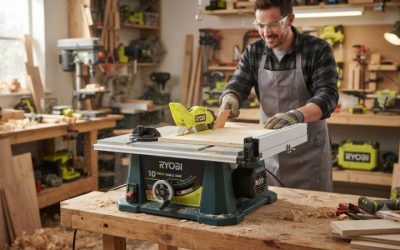
- Table saw: best for repeatable rips, but a 4×8 sheet needs outfeed and side support or a helper.
- Miter saw: accurate for crosscuts and angle cuts on narrow panels and trim-width strips, not for breaking down a full sheet.
1. DEWALT DWE575SB: Best Overall Circular Saw for Plywood
- Corded 7-1/4 inch circular saw
- Pivoting bevel, up to 57 degrees per the listing
- Model number DWE575SB
- Amperage, weight and depth of cut: not listed in the short title
Best for: homeowners and carpenters who want one dependable saw for sheet goods, framing and decking. Skip if: you need glass-smooth edges straight off the saw without a guide.
The listing highlights a bevel range of up to 57 degrees, which is more than the typical 45 degrees and helps when you cut plywood for angled cabinet sides or roof sheathing details. A sidewinder like this is the practical choice for cutting plywood to rough size before a final pass on a table saw or with a rail.
To get a clean edge, set the depth so the blade extends only about a quarter inch below the plywood, lay the sheet good-side down on foam insulation board, and clamp a straightedge as a fence. Measure the offset from the blade to the edge of the shoe once and reuse it. Swapping the stock blade for a 60 to 80 tooth plywood blade matters more than almost any other upgrade.
Pros: familiar design, wide bevel range, corded power without battery limits, easy to find replacement blades. Cons: no built-in guide, edge quality depends on blade and technique, corded.
2. DEWALT DWS520K TrackSaw Kit: Best for Precision Cuts
- 6-1/2 inch circular saw in a TrackSaw kit
- Rail-guided plunge cutting
- Model DWS520K
- Rail length, amperage and bevel range: not listed in the short title
Best for: cabinet makers and serious DIYers who cut a lot of veneered plywood and want repeatable straight edges. Skip if: you only cut a few sheets a year and the cost cannot be justified.
A track saw earns its keep on plywood because the rail has a rubber strip that sits on the cut line, supports the veneer and acts as a splinter guard. You line the rail up with a pencil mark, plunge the blade, and the cut comes out straight and clean without a clamped fence. Because the saw is smaller than a 7-1/4 inch circular saw, depth is lower, yet it is designed for standard sheet goods.
The practical benefit is accuracy on angle cuts and long rips. A rail lets you cut a bevel on a full sheet without hauling it through a table saw, which is the most common reason woodworkers move to a track system. Dust control is also better than with a handheld saw when you connect a vacuum, although the dust port size is not stated in the listing.
Pros: excellent edge quality, safe plunge start, straight cuts without a fence setup, suits precision cuts and angle cuts. Cons: premium cost, rail storage and handling, learning curve for plunge technique.
3. WEN CT1065: Best Value Track Saw
- 10-amp motor
- 6.5 inch plunge-cut sidewinder circular track saw
- Corded electric
- Rail length and weight: check the exact listing because related WEN bundles include different rails
Best for: hobbyists who want rail-guided cutting at a price near a regular circular saw. Skip if: you want a premium dust-collection system or a rail that locks to a specific brand.
The CT1065 is a good example of why track saws are no longer limited to professionals. With a 6.5 inch blade and a 10-amp motor, the specs listed suit plywood and sheet goods. The real value is the rail, which turns a modest saw into something that makes straight, repeatable cuts, particularly if you keep a fine-tooth plywood blade on it.
Because this tier of tool is built for light use, plan on checking that the rail sits square to the base and that the blade is parallel to the track before cutting good material. A trial cut on scrap and a combination square check will tell you whether the setup is right. If it is slightly off, adjust the base and recheck.
Pros: low entry cost into track-style cutting, plunge action, good fit for DIY furniture and cabinet projects. Cons: fit and finish are basic compared with premium rails, accessories may be limited.
4. Skil 5280-01: Best Budget Circular Saw
- 15-amp motor
- 7-1/4 inch blade
- Single-beam laser guide
- Weight and bevel range: not listed
Best for: first-time buyers cutting plywood for shelves, shop cabinets and sheathing. Skip if: you need exact finish-grade edges without extra work.
A 15-amp saw has enough power to push through a sheet of three-quarter inch plywood without bogging if the blade is sharp. The laser is a convenience, but treat it as approximate and rely on the saw’s notch marks or a measured offset when accuracy matters. Many budget buyers get better results by spending a small amount on a thin-kerf, high-tooth blade rather than upgrading to a more expensive saw.
Always support both sides of the cut so the offcut does not drop and pinch the blade, and keep the cord clear of the path of the saw. A circular saw kicks back when the kerf closes, so a pair of sawhorses with a sacrificial sheet of foam under the workpiece is the safe, simple setup.
Pros: low cost, strong amp rating, laser guide for quick layout, common blade size. Cons: stock blade is not made for veneer, laser accuracy is limited, no rail support.
5. Skil TS6307-00: Best Jobsite Table Saw for Repeat Parts
- 15-amp motor, 10 inch blade
- Jobsite style with folding stand
- Rip capacity and weight: not listed in the short title
Best for: cutting many identical strips and panels for cabinets, shelves and drawer boxes. Skip if: you mainly break down full sheets alone.
A table saw gives the most accurate rip cuts because the fence holds the width constant. With plywood, that means matching widths for shelves and drawer sides across a whole project. The weakness is handling a full 4×8 sheet. Cut sheets down to manageable pieces with a circular saw or track saw first, then bring them to the table saw for finishing rips.
Use a zero-clearance insert if the saw allows it, set the blade so the gullet barely clears the top of the plywood, and place the good face up. A plywood blade with a high tooth count and a flat or alternate-top-bevel grind will leave the cleanest edge. A blade guard, push stick and riving knife are part of the safe setup, not optional extras.
Pros: repeatable widths, folding stand for storage, familiar controls. Cons: hard to handle large sheets, stock blade not aimed at plywood, noise and dust.
6. Metabo HPT C10FCG2: Best Miter Saw for Angle Cuts on Plywood Strips
- 10 inch compound miter saw, single bevel
- 15 amp motor
- 24T tungsten carbide tipped blade included
- Maximum crosscut width: not listed
Best for: trim-width plywood strips, edging and angled frame parts. Skip if: you plan to crosscut wide panels.
A miter saw cuts through a narrow plywood piece in a single chop, so it is the right tool for repeatable crosscuts and for angle cuts on face-frame style parts. The included 24-tooth blade is built for fast framing cuts and will chip veneer, so replace it with a 60 or 80 tooth fine-finish blade if the plywood will be visible.
Clamp the stock, support long pieces on both sides, and make a slow cut with the blade fully up to speed. If the saw leaves tear-out on the exit side, a strip of masking tape on the cut line or a sacrificial backer fence reduces it.
Pros: fast and accurate crosscuts, simple setup, accepts finer blades. Cons: limited width, stock blade is coarse, takes bench space.
7. Freud LU80R010: Best Blade for Chip-Free Plywood
- 10 inch Ultimate Plywood and Melamine blade
- Made for crosscutting veneered sheet goods per the product name
- Tooth count and kerf: check the exact listing before buying
Best for: upgrading a table saw or miter saw that tears veneer. Skip if: you only own a 7-1/4 inch circular saw, because this blade will not fit it.
Blade choice is the cheapest way to improve plywood cuts. A blade labelled for plywood and melamine uses a high tooth count and a tooth geometry that shears the surface fibers instead of pulling them. Matching the blade to the material often does more than moving to a bigger saw.
Because the listing is a blade rather than a saw, treat this as the finishing touch. Pair it with whichever 10 inch saw you pick, mount it with the arrow pointing in the direction of rotation, and keep it clean with a blade cleaner, since pitch and glue residue dull the teeth quickly.
Pros: targets the main plywood problem, works across table and miter saws, easy upgrade. Cons: fixed size, a premium blade costs more than a budget saw blade, needs a compatible saw.
Also Consider
- Bosch JS260 jigsaw: a top-handle corded jigsaw for curves and cutouts that a circular saw cannot make. Use a fine blade to limit tear-out.
- Diablo Ultra Finish 6-1/2 inch 60-tooth blade: a fine-finish blade for track saws and smaller circular saws. Check that the arbor and diameter match your saw.
- Milescraft 1409 Track Saw Guide: a universal guide for 7-1/4 inch circular saws with a 50 inch cutting range, a low-cost way to add straight guidance to a saw you already own.
- Festool TS 55 FEQ-F-Plus: a premium plunge-cut track saw with a 55 inch guide rail for professionals who value dust handling and long-term support.
How We Chose
This guide is research-based. We reviewed the product listings in our store, manufacturer spec sheets and well-known independent saw guides from woodworking publications. We did not personally use these products and we do not claim lab results. We compared saw types by how they support plywood, how they exit the veneer, and how they handle large sheets. We favored well-known brands with accessible replacement blades, then added value and budget options so each type of buyer has a realistic choice. Specs that were not visible in the listing are marked “not listed”, and prices are shown as tiers because they change often.
Buying Guide: How to Choose a Saw for Cutting Plywood
Match the saw to the cut, not the other way around
Straight rips on a full sheet are best with a track saw or a circular saw with a clamped straightedge. Repeated narrow rips belong on a table saw. Crosscuts on strips under about 5 inches wide belong on a miter saw. If you only buy one saw, a circular saw plus a guide covers the widest range of jobs.
Blade tooth count and geometry
For good-quality plywood, look for 60 teeth or more on a 7-1/4 inch blade and 80 teeth or more on a 10 inch blade. Alternate top bevel or high alternate top bevel grinds shear veneer fibers cleanly. A 24-tooth framing blade is built for speed on construction lumber and will splinter plywood faces. Thin-kerf blades need less power, which helps corded saws on a long rip.
Depth of cut and plunge ability
Standard three-quarter inch plywood needs a depth of at least that thickness plus a small margin. Check the manufacturer’s spec sheet for the depth of cut at 90 degrees and at 45 degrees, because bevel depth is always smaller. This matters if you plan to cut mitered plywood joints.
Support and workholding
Most plywood tear-out and kickback problems come from poor support. Place the sheet on foam insulation or on two sacrificial 2x4s so the cut falls into open space and the sheet cannot sag. Clamp it down. On a table saw, use outfeed and side support.
Dust and noise
Plywood glue dust is fine and unpleasant to breathe. Use a dust port with a vacuum, wear a dust mask or respirator suited to wood dust, and wear hearing protection. Plan for good ventilation in a closed garage.
Common Mistakes When Cutting Plywood
- Cutting with the good face up on a handheld circular saw, which lets the blade tear the top veneer.
- Setting the blade too deep, which increases tear-out and kickback risk.
- Using a dull or coarse framing blade on veneered plywood.
- Not supporting both sides of the cut, so the offcut pinches the blade.
- Skipping a scoring pass or tape on the cut line for finish-grade work.
Frequently Asked Questions
What is the best saw for cutting plywood without splintering?
A track saw with a fine-tooth plywood blade usually gives the cleanest result because the rail supports the veneer. A table saw with a zero-clearance insert and a plywood blade is also a strong option for rips.
Can I cut plywood with a circular saw?
Yes, a circular saw is the most common tool for cutting plywood. Place the good face down, use a plywood blade, set a shallow depth, and clamp a straightedge for the best precision cuts.
What are the best saws for precision cuts in plywood?
Rail-guided saws such as the DEWALT DWS520K or the WEN CT1065 and a table saw with a good fence are the strongest choices for precision work. A miter saw is precise for short crosscuts.
What are the best saws for angle cuts in plywood?
For narrow stock, a compound miter saw like the Metabo HPT C10FCG2 is simplest. For bevels on large panels, a track saw or a circular saw with a wide bevel range, like the DWE575SB at up to 57 degrees, works better.
How many teeth should a plywood blade have?
Use roughly 60 teeth or more on a 7-1/4 inch blade and 80 or more on a 10 inch blade for fine plywood. More teeth cut slower but leave a cleaner edge.
Which side of plywood should face up?
It depends on which way the blade exits. A handheld circular saw cuts upward through the bottom face, so the good face goes down. A table saw or track saw cuts downward into the top face, so the good face goes up. Check the saw’s manual to confirm.
Do I need a track saw for plywood?
No. A circular saw with a clamped guide handles most jobs. A track saw is worth the money if you cut sheet goods often and want cleaner edges with less setup time.
Which One Should You Buy?
If you want one saw to start with, choose the DEWALT DWE575SB or the budget Skil 5280-01, add a fine-tooth plywood blade and a straightedge guide. If edge quality and long rips are your priority, choose the WEN CT1065 for a lower cost or the DEWALT DWS520K for a more serious track system. If you make many identical parts, add the Skil TS6307-00 table saw, and if you build frames or trim, add the Metabo HPT C10FCG2. For any of these, the Freud LU80R010 is a smart blade upgrade on the 10 inch machines.
Sources
- DEWALT product pages for the DWE575SB and DWS520K
- WEN product page for the CT1065 track saw
- Skil product pages for the 5280-01 and TS6307-00
- Metabo HPT product page for the C10FCG2 miter saw
- Freud product page for the LU80R010 plywood and melamine blade
Last updated: October 2026
Related guides
More from Amazon
Programs that pair well with the guide above. Offers and eligibility are set by Amazon and may change.
A free business account with business pricing and bulk-buying tools for work, shop or home office.
Create a business accountFree shipping on eligible items, Prime Video and more. Eligible new members can start with a free trial.
Start a Prime free trialAudiobooks and podcasts to listen to on the go. Eligible new members can start with a free trial.
Try Audible freeAd-free music streaming. Eligible new subscribers can start with a free trial.
Try Music Unlimited freeAs an Amazon Associate we earn from qualifying purchases.




Write Your Review
No reviews yet. Be the first to share your experience!