What's inside
- How to Choose a Road Bike Helmet for Comfort and Fit
- Best Road Bike Helmets Compared: Specs and Fit
- Pick by Your Riding Situation
- Decision Matrix: Match Your Needs to the Right Type
- How to Get the Right Fit: Measurement and Setup
- Durability and Ownership Realities
- Final Recommendation by Rider Type
- Frequently Asked Questions
- How to Choose a Road Bike Helmet for Comfort and Fit
- Best Road Bike Helmets Compared: Specs and Fit
- Pick by Your Riding Situation
- Decision Matrix: Match Your Needs to the Right Type
- How to Get the Right Fit: Measurement and Setup
- Durability and Ownership Realities
- Final Recommendation by Rider Type
- Frequently Asked Questions
As an Amazon Associate I earn from qualifying purchases. This post may contain affiliate links at no extra cost to you.
The best road bike helmets for comfort and fit are lightweight, well-ventilated models with a precise adjustment system and rotational impact protection, with the Specialized S-Works Prevail 3, Giro Aether Spherical, POC Ventral Air, Kask Protone Icon, and Lazer Vento KinetiCore standing out across different head shapes, budgets, and riding conditions.
Choosing the right helmet is not just about safety certification — every helmet sold in the US must meet CPSC standards — but about how well it manages heat, pressure points, and stability over 2-4 hour rides. The difference between a helmet you forget you are wearing and one you want to take off after 30 minutes comes down to weight distribution, vent placement, retention system design, and shell sizing.
As an Amazon Associate we earn from qualifying purchases at no extra cost to you.


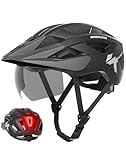
How to Choose a Road Bike Helmet for Comfort and Fit
Use these five criteria to narrow your choice before looking at specific models.
1. Safety Technology
All road helmets meet the same baseline impact standard, but additional systems are designed to address rotational forces in an angled crash. The most common are:
- MIPS (Multi-directional Impact Protection System): A low-friction liner that allows the helmet to slide relative to the head. Found in most mid-range to premium helmets.
- MIPS Spherical and KinetiCore: Integrated systems that build rotational protection into the helmet structure itself, without a separate plastic liner. Examples include Giro Spherical and Lazer KinetiCore. These often improve ventilation and reduce weight compared to add-on liners.
- WaveCel: A collapsible cellular structure used by Bontrager/Trek that is designed to crumple on impact. Heavier but highly ventilated.
No system makes a helmet “concussion-proof.” Fit and proper strap adjustment have a larger effect on real-world protection than the specific liner technology. For general information on helmet safety, consult certified safety standards and a professional bike fitter if you have had a previous head injury.
2. Ventilation vs. Aerodynamics
More vents do not always mean cooler. Vent count, size, and internal channeling determine how air flows over the scalp. Helmets optimized for ventilation (20+ large vents with deep internal channels) excel on climbs and hot days above 75°F / 24°C. Aero-optimized helmets use fewer, narrower vents and a smoother shell to reduce drag, which can feel noticeably warmer at low speeds but faster above 20 mph. Most riders prioritizing comfort should choose ventilation over aerodynamics unless they race time trials or flat criteriums.
3. Weight and Balance
A helmet between 220g and 290g (size medium) is the current competitive range for road helmets. Below 230g feels exceptionally light but often costs more and may have less coverage at the rear. More important than absolute weight is balance — a well-balanced 270g helmet will feel lighter than a poorly balanced 240g helmet that presses on the forehead.
4. Adjustment and Retention System
The dial at the back (often called Roc Loc, BOA, or ScrollSys) controls occipital tension. Look for:
- Vertical adjustment: Allows the cradle to sit lower on the occipital bone for stability without overtightening.
- Micro-adjustment: A BOA-style dial gives finer increments than a basic ratchet.
- Strap dividers: Lightweight, flat Y-dividers under the ears prevent chafing and stay in place better than bulky plastic pieces.
- Ponytail compatibility: Some cradles have a cutout or higher opening for long hair.
5. Shell Sizing and Head Shape
Brands use different internal shapes. Giro and Specialized tend to suit oval head shapes, Kask and POC tend to suit rounder shapes, and Lazer fits intermediate shapes well. Always measure head circumference 1 cm above the eyebrows and check the brand’s size chart rather than assuming S/M/L is universal. A helmet that requires the retention system to be fully tightened to stay stable is too large.
Best Road Bike Helmets Compared: Specs and Fit
The table below compares leading road helmets available in 2026 with verified specifications for a size medium (54-58cm range where applicable). Weights are manufacturer claimed for medium without accessories.
| Helmet | Weight (Medium) | Vents | Rotational Protection | Shell Sizes | Best For |
|---|---|---|---|---|---|
| Specialized S-Works Prevail 3 | 220g | 20 | MIPS Air Node | 3 shells (S, M, L) | Hot weather and climbing, lightest feel |
| Giro Aether Spherical | 260g | 24 | Spherical (MIPS) | 3 shells (S, M, L) | All-around comfort, deep internal channeling |
| POC Ventral Air | 268g | 22 | MIPS | 3 shells (S, M, L) | Wide fit, large vents, eyewear storage |
| Kask Protone Icon | 270g | 20 | WG11 tested (no MIPS liner) | 2 shells (M, L) | Intermediate oval to round heads, plush padding |
| Lazer Vento KinetiCore | 290g | 13 | KinetiCore | 3 shells (S, M, L) | Aero comfort, easy fit adjustment |
| Smith Trace MIPS | 260g | 18 | MIPS | 3 shells (S, M, L) | Value comfort, Koroyd + MIPS hybrid |
| Bontrager Starvos WaveCel | 295g | 24 | WaveCel | 2 shells (S/M, L) | Maximum coverage, budget-friendly safety tech |
General market price ranges in 2026: $100-$160 for entry MIPS helmets (Starvos, Smith Trace), $200-$280 for enthusiast models (Protone Icon, Ventral Air), and $280-$330 for flagship lightweight models (Prevail 3, Aether Spherical, Vento KinetiCore).
Pick by Your Riding Situation
If You Ride Long, Hot Climbs
Choose Specialized S-Works Prevail 3 or Giro Aether Spherical. Both use large, fully tunneled vents that create airflow even at 8-12 mph climbing speeds. The Prevail 3 is the lightest option and has a minimal MIPS Air Node liner that does not block channels. The Aether Spherical uses two separate shells that can rotate relative to each other, which improves ventilation compared to a standard MIPS liner.
If You Have a Rounder or Wider Head
Choose POC Ventral Air or Kask Protone Icon. POC interiors are wider across the temples and do not create pressure on the sides of the head. Kask’s Octo Fit system uses a floating cradle with a rubberized dial that distributes pressure more evenly for riders who find traditional dials create a hot spot at the back of the head. Try the medium in both if you measure 57-58cm; POC medium runs slightly larger than Kask medium.
If You Want One Helmet for Racing and Training
Choose Lazer Vento KinetiCore. With only 13 vents it is more aerodynamic than the others, but KinetiCore blocks inside the helmet are designed to fold on impact and allow air to pass through. The ScrollSys dial tightens evenly around the entire head rather than just cinching at the back, which reduces forehead pressure on longer rides. It is 20-30g heavier than the lightest climbers’ helmets but noticeably quieter in wind.
If You Want Comfort on a Moderate Budget
Choose Smith Trace MIPS or Bontrager Starvos WaveCel. The Trace combines MIPS with Koroyd honeycomb for ventilation and comes with three shell sizes, which is rare under $170. The Starvos WaveCel is heavier but offers extra coverage at the temples and rear, making it a good choice for riders who want more protection and do not mind additional weight for commuting and training.
Decision Matrix: Match Your Needs to the Right Type
| Your Situation | Priority | Recommended Type | Why |
|---|---|---|---|
| Ride 3+ hours, over 70°F regularly | Maximum ventilation, low weight | Lightweight vented (Prevail 3, Aether) | Lower neck fatigue, less heat buildup |
| Sensitive to pressure points, round head shape | Fit shape, plush padding | Wider shell (Ventral Air, Protone Icon) | Avoids temple pinch, better stability |
| Race flat roads, prioritize speed | Aerodynamics, moderate ventilation | Semi-aero (Vento KinetiCore) | Saves watts above 20 mph |
| Commute + weekend rides, 1-2x per week | Durability, value, coverage | Budget MIPS/WaveCel (Trace, Starvos) | Lower replacement cost, easy care |
| Wear glasses or sunglasses | Eyewear integration | POC Ventral Air, Giro Aether | Dedicated eyewear docks and grippers |
How to Get the Right Fit: Measurement and Setup
An incorrect size negates any comfort feature. Follow this sequence:
- 1. Measure: Use a soft tape measure around the widest part of your head, about 1 cm above eyebrows and over the bump at the back of the skull. Record in centimeters. Example: 57.5 cm.
- 2. Check the chart: If you measure 57.5 cm, you are at the top of most mediums (51-57cm or 55-59cm depending on brand). In Giro and Specialized, choose medium. In Kask, which runs small, consider larger size. Never size down to “make it fit tighter.”
- 3. Try without tightening: Put the helmet on level, without using the dial. It should sit just above the eyebrows and feel lightly snug around the whole head, not pressing only at the front and back.
- 4. Adjust the cradle height: Set the retention system so the cradle cups the occipital bone. The dial should not sit on the neck.
- 5. Set the straps: Adjust the Y-divider to meet just below the earlobe, then tighten the chin strap so you can fit one finger between strap and chin. The helmet should not shift more than 1 cm when you shake your head.
- 6. Test ride check: After 15 minutes, you should have no red line across the forehead or pressure at the temples. If you do, the shape is wrong, not just the size.
Worked example for retention: If your dial has 30 clicks from fully open to fully closed, ideal fit is 10-15 clicks from open. If you need 25+ clicks to feel secure, the helmet is too large and you should try the next size down or a different model with more shell sizes.
Durability and Ownership Realities
Helmets are single-impact items. Replace any helmet after any crash where the helmet struck the ground, even if no crack is visible — the EPS foam compresses internally. Most manufacturers recommend replacement every 5 years even without a crash due to UV and sweat degradation.
What wears first:
- Padding: Cheek and brow pads absorb sweat and sunscreen. They compress after 6-12 months of regular use. Hand wash pads weekly with mild soap and air dry; replace pads yearly. Keep a spare pad set, which most premium brands sell for $15-$25.
- Retention dial and straps: Dials clog with sweat salt. Rinse the whole helmet under lukewarm water after sweaty rides rather than just wiping. Straps fray where they pass through the divider — check for fraying every few months.
- EPS and shell: Do not store in a hot car above 120°F / 49°C for extended periods; heat can warp EPS. Small surface dents in the outer polycarbonate shell are cosmetic, but any dent that deforms the foam underneath requires replacement.
Common mistakes that reduce comfort:
- Wearing the helmet tilted back on the forehead to improve airflow — this exposes the forehead to impact and puts pressure on the back of the head.
- Overtightening the dial to compensate for a loose shell size, which causes headaches over the temples.
- Using aerosol sunscreen or insect repellent directly on the helmet; chemicals can degrade EPS and strap material. Apply to skin and let dry before putting the helmet on.
- Washing with harsh solvents or putting pads in a hot dryer, which shrinks and hardens the foam.
Final Recommendation by Rider Type
For most road riders seeking comfort and fit without specialization, the Giro Aether Spherical and POC Ventral Air cover the widest range of head shapes and offer excellent ventilation with integrated rotational protection. Weight-conscious climbers who ride in heat will appreciate the Specialized S-Works Prevail 3. Riders with rounder heads or sensitivity to pressure will find the Kask Protone Icon more comfortable despite its slightly higher weight. On a tighter budget, the Smith Trace MIPS provides three-shell sizing and good ventilation for significantly less cost than flagship models.
Whatever model you choose, prioritize correct shell size and shape over features. A properly fitted mid-range helmet will be more comfortable and safer than a poorly fitted flagship model.
Frequently Asked Questions
How tight should a road bike helmet be?
Snug and level, with even pressure around the entire head and no side-to-side rocking. You should be able to shake your head without the helmet shifting, but you should not feel localized pressure on the forehead or temples after 10 minutes.
Do I need MIPS if I already have a CPSC-certified helmet?
CPSC certification covers direct impact protection. MIPS, Spherical, KinetiCore, and WaveCel are additional technologies intended to reduce rotational energy transfer in angled impacts. They are not required, but many riders choose them for added peace of mind. A well-fitting helmet without these technologies that you wear consistently is better than an ill-fitting one with them.
How do I know when to replace my helmet?
Replace after any impact, if the foam is cracked, dented, or has a soft spot, if straps are frayed or the dial no longer holds, or after about five years of use. If you are unsure after a crash, have the helmet inspected by the manufacturer — many offer a crash replacement discount.